



































































Historical Sites in Saudi Arabia: UNESCO World Heritage Sites and Where to Visit
Saudi Arabia has eight UNESCO World Heritage Sites, from 2,000-year-old Nabataean tombs in AlUla to the mudbrick palaces of Diriyah and the world’s largest oasis in Al-Ahsa. Beyond the UNESCO list, the Kingdom also has ancient caravan cities, rock-art landscapes and the landmarks of early Islam. This guide covers the main sites, with their location, what makes them important and practical visiting information where an official source gives it.
Saudi Arabia’s UNESCO World Heritage Sites at a glance
- Hegra (Mada’in Salih), AlUla: inscribed in 2008, the first Saudi site on the list.
- At-Turaif District, Diriyah: inscribed in 2010.
- Historic Jeddah (Al-Balad): inscribed in 2014.
- Rock Art in the Hail Region (Jubbah and Shuwaymis): inscribed in 2015.
- Al-Ahsa Oasis: inscribed in 2018.
- Hima Cultural Area, Najran: inscribed in 2021.
- Uruq Bani Ma’arid Reserve: inscribed in 2023, the first natural site.
- Al-Faw Archaeological Area, Wadi ad-Dawasir: inscribed in 2024, the latest addition.
The UNESCO World Heritage Sites
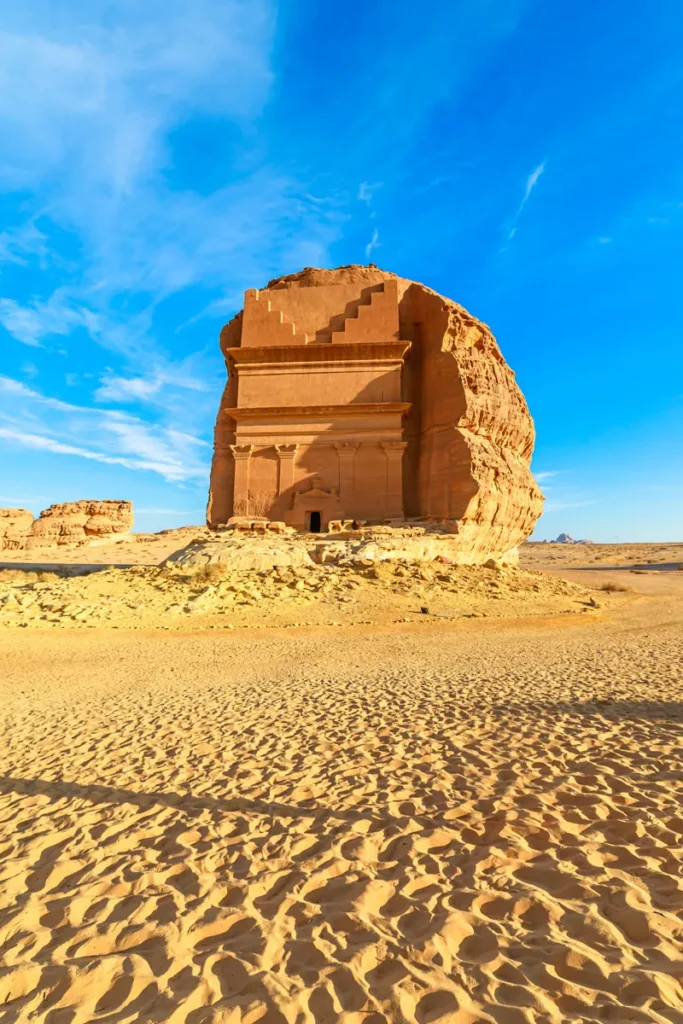
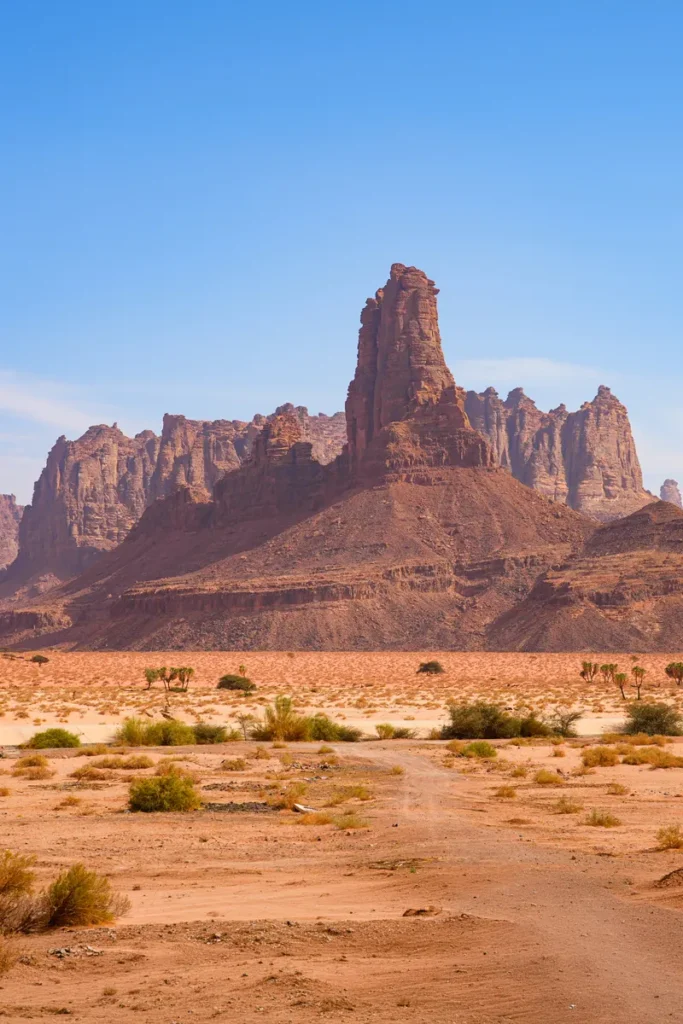
1. Hegra (Mada’in Salih), AlUla

- Location: about 20 km north of AlUla city, in AlUla Governorate, Madinah Region, northwest Saudi Arabia.
- Why it matters: the largest conserved site of the Nabataean civilisation south of Petra in Jordan. It has 111 monumental tombs, 94 of them with decorated facades dating from the 1st century BC to the 1st century AD, plus water wells and around 50 pre-Nabataean inscriptions.
- How to visit: Hegra can only be visited on an organised tour, and self-driving inside the site is not allowed. The shared Hegra Day Tour starts from SAR 95 per person, and the Premium Tour starts from SAR 1,000 per vehicle. Tour meeting points are at Hegra South Gate, where parking is free, and the day tour can also start from Winter Park in AlUla with a coach to the meeting point. Book through Experience AlUla, because places are limited each day.
- Contact: +966 920 025 003, Sunday to Thursday, 8:00 am to 5:00 pm.
- Good to know: visitors must stay on marked paths and may not enter the tombs or touch the carvings.
2. At-Turaif District, Diriyah
- Location: Diriyah, northwest of Riyadh.
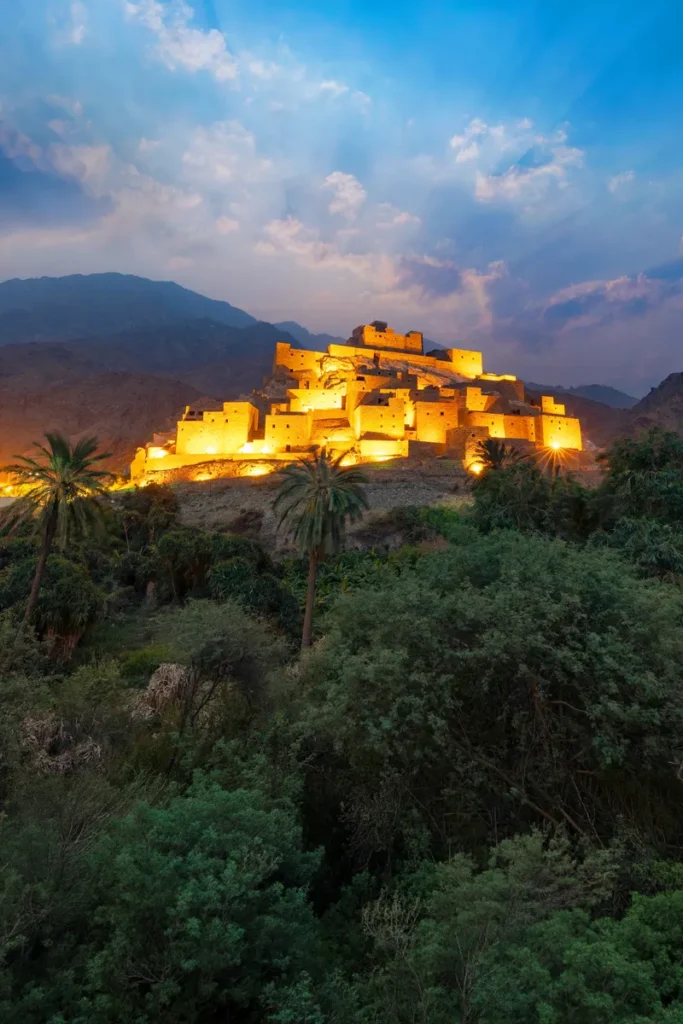
- Why it matters: the first capital of the Saudi dynasty and the birthplace of the First Saudi State. UNESCO describes it as a fine example of Najdi architecture from central Arabia. The district was the seat of Saudi political power in the 18th and early 19th centuries, and Salwa Palace is one of its key buildings.
- Hours: Saturday to Thursday, 10:00 am to midnight, with last entry at 11:30 pm. Check the current Friday hours before you go.
- Contact: +966 920021727.
- Good to know: most buildings are ruins, with restoration work under way, and the original street layout is well preserved. In summer, plan an evening visit, when the heat eases.
3. Historic Jeddah (Al-Balad)
- Location: the historic centre of Jeddah, Makkah Province, on the Red Sea coast.
- Why it matters: known as the Gate to Makkah, Jeddah has been a trading port since the 7th century and the sea entry point for pilgrims. The district has hundreds of historic buildings, including late 19th-century tower houses with carved wooden roshan windows and coral-stone walls.
- What to see: Nassif House (Bayt Nassif), the traditional Souq Al-Nada market and the old alleys of the district.
- Good to know: parking in the old town is limited, so a taxi or ride-hailing app is easier. Walk in the morning or after sunset.
4. Rock Art in the Hail Region (Jubbah and Shuwaymis)
- Location: Jubbah is about 90 km northwest of Hail city, and Shuwaymis is about 250 km south of it.
- Why it matters: two desert sites, Jabal Umm Sinman in Jubbah and Jabal al-Manjor and Jabal Raat in Shuwaymis, hold what UNESCO calls the biggest and richest rock-art complexes in Saudi Arabia and the wider region. The carvings show human and animal figures spanning almost 10,000 years.
- Good to know: these are remote desert sites that need a vehicle and careful planning. Go in the cooler months, between November and March.
5. Al-Ahsa Oasis

- Location: Al-Ahsa Governorate, Eastern Province.
- Why it matters: UNESCO calls it the largest oasis in the world, with about 2.5 million date palms, canals, springs and wells, plus historic forts, mosques and markets that record human settlement from the Neolithic period to today. Guinness World Records, as cited by Saudipedia, gives about 85 square kilometres and 280 artesian wells.
- What to see: the traditional Al-Qaisariyah souq in Hofuf, the palm groves and the old water channels.
6. Hima Cultural Area, Najran
- Location: Najran Province, south-west Saudi Arabia.
- Why it matters: a rock-art landscape on an ancient caravan route in an arid, mountainous part of the south-west. UNESCO lists six component areas that may hold more than 100,000 petroglyphs, showing about 7,000 years of cultural continuity in several scripts, including Musnad, Thamudic, Greek and Arabic.
- Good to know: like the Hail sites, it is remote, so plan the trip with a local guide.
7. Al-Faw Archaeological Area, Wadi ad-Dawasir

- Location: Wadi ad-Dawasir, south of Riyadh Province, where the Empty Quarter meets the Tuwaiq mountains.
- Why it matters: Qaryat al-Faw was a caravan city and oasis from the mid-1st millennium BC until it was abandoned in the 5th century AD, and it was the capital of the Kingdom of Kinda. The area holds nearly 12,000 archaeological remains, including stone tools, rock carvings, funerary cairns, an ancient water-management system and the remains of the city, plus the sacred mountain of Khashm Qaryah. People lived here from the Palaeolithic period until the late pre-Islamic era.
- Good to know: UNESCO listed it on 27 July 2024 as the eighth Saudi site. It is remote, so check access with the authorities before travelling.
8. Uruq Bani Ma’arid Reserve
- Location: the western edge of the Empty Quarter, at the southern end of the Tuwaiq escarpment.
- Why it matters: the Kingdom’s first natural World Heritage Site, covering about 1.27 million hectares (roughly 12,700 square kilometres) of dunes, limestone plateau and wadis. It is the last known place where Arabian oryx lived in the wild, and it has been a protected area since 1996.
- Good to know: this is a protected nature reserve, so it is not a typical day-trip site.
More historical sites worth visiting
9. Dumat al-Jandal, Al-Jawf
- Location: northern Saudi Arabia, in Al-Jawf Province.
- What to see: Marid Castle, on a hill overlooking the old town, dated to the 1st and 2nd centuries from the pottery found there. It was first mentioned in the 3rd century, when Queen Zenobia of Palmyra failed to take it. Also the Omar bin al-Khattab Mosque, built in 637, and the Al-Dara’ quarter, with its stone houses and arched alleys.
10. The landmarks of early Islam
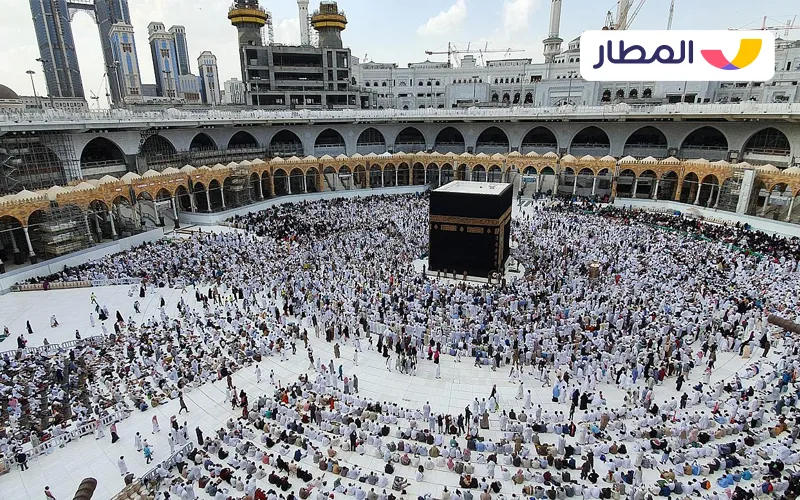
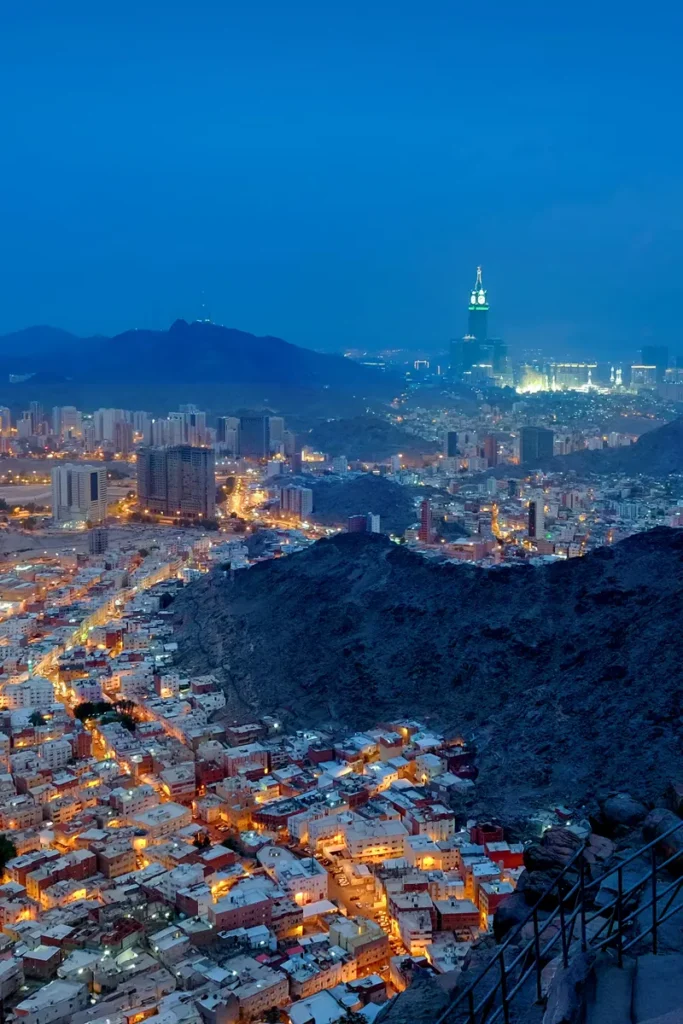
- Makkah: Masjid al-Haram, the Cave of Hira on Jabal al-Nour, the Cave of Thawr and Mount Arafat.
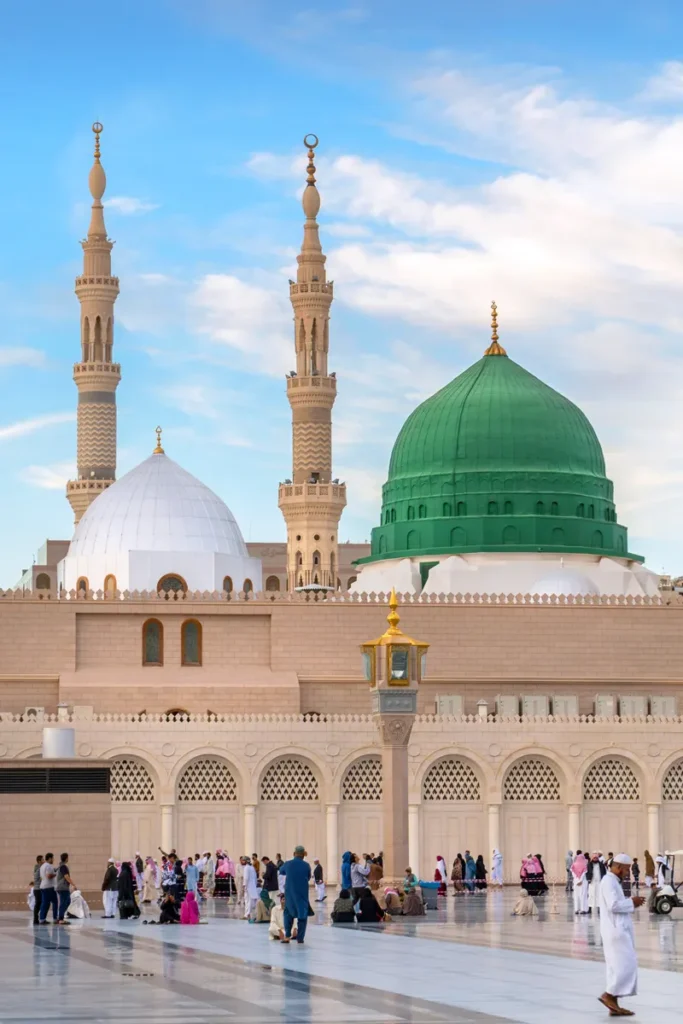
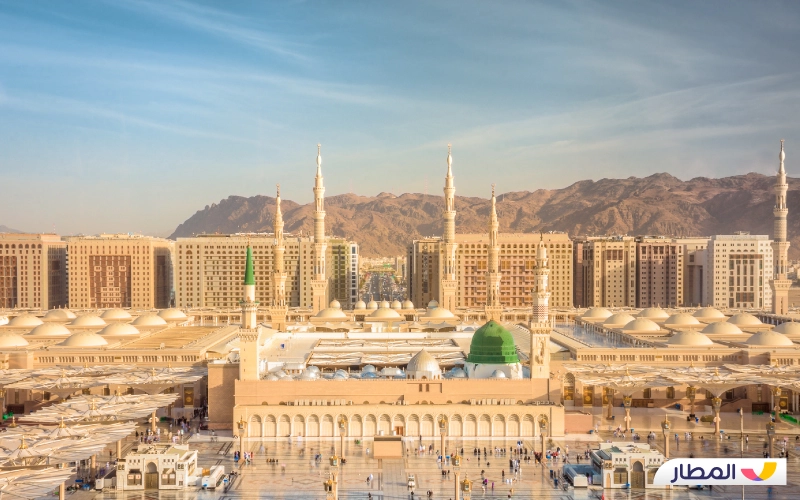
- Madinah: the Prophet’s Mosque, Mount Uhud and Quba Mosque, described as the first mosque in Islamic history.
- Good to know: Madinah’s markets are close to the Prophet’s Mosque, so a visit combines well with shopping in the cheap markets of Madinah.
What could be listed next
Several sites are already on Saudi Arabia’s UNESCO Tentative List, the first step before a formal nomination. They include the Darb Zubaydah pilgrimage route (2022), the Ancient Walled Oases of Northern Arabia (2022) and Water Management in Saudi Arabia: The Ancient Dams (2023). In September 2024 the head of the Heritage Commission also named the Zubaydah Trail, historic water systems and ancient oases as possible future nominations.
Tips for visiting Saudi Arabia’s historical sites
- Book Hegra early. Tour places are limited each day, and walk-up tickets are not guaranteed.
- Avoid midday heat. Summer temperatures are high, so visit the desert sites between November and March and see Diriyah and Jeddah in the evening.
- Group sites by region. AlUla, Diriyah and Jeddah suit short trips, while Hail, Najran and Wadi ad-Dawasir need more time and a guide.
- Respect the rules. Stay on marked paths, do not touch carvings and do not remove anything from a site.
- Check hours and prices. Tour options, tickets and opening hours change, so confirm them on the official page.
- Carry water and sun protection. Most sites have little shade.
To plan the trip, use the almatar app to compare flights to Riyadh, Jeddah and AlUla, then read our guides to tourist attractions in Riyadh and activities and tours in the Al-Hijr area.
Frequently asked questions about historical sites in Saudi Arabia
How many UNESCO World Heritage Sites are there in Saudi Arabia?
There are eight: Hegra (2008), At-Turaif in Diriyah (2010), Historic Jeddah (2014), the rock art of the Hail Region (2015), Al-Ahsa Oasis (2018), Hima Cultural Area (2021), Uruq Bani Ma’arid Reserve (2023) and the Al-Faw Archaeological Area (2024). Seven are cultural sites and one, Uruq Bani Ma’arid, is a natural site.
What was the first Saudi site on the UNESCO list?
Hegra, also called Mada’in Salih, was the first, in 2008.
What is the oldest archaeological site in Saudi Arabia?
Al-Faw shows human presence from the Palaeolithic period, and its caravan city dates from the mid-1st millennium BC. The Hail and Hima rock art also record thousands of years of human activity. It depends on whether you count the earliest traces of people or the oldest city.
Can I visit Hegra on my own?
No. Hegra can only be visited on a guided tour booked through Experience AlUla, and self-driving inside the site is not allowed.
Where is At-Turaif and why is it famous?
At-Turaif is in Diriyah, northwest of Riyadh. It was the first capital of the Saudi dynasty and is known for its Najdi mudbrick architecture.
Which historical region lies in the middle of Saudi Arabia?
Najd, the historic region of central Arabia. Riyadh and Diriyah lie in it, and At-Turaif is a leading example of Najdi architecture.
Which historical site is best for a short trip?
Diriyah is close to Riyadh and Historic Jeddah sits in the city centre, so both fit into a short stay. Hegra fits easily into a day in AlUla, and the Hail, Najran and Wadi ad-Dawasir sites need a guide and more time.
When is the best time to visit?
The cooler months from November to March suit desert and outdoor sites. In summer, choose evening visits.
Related topics from the almatar blog:
You might also like
-
Explore Cities
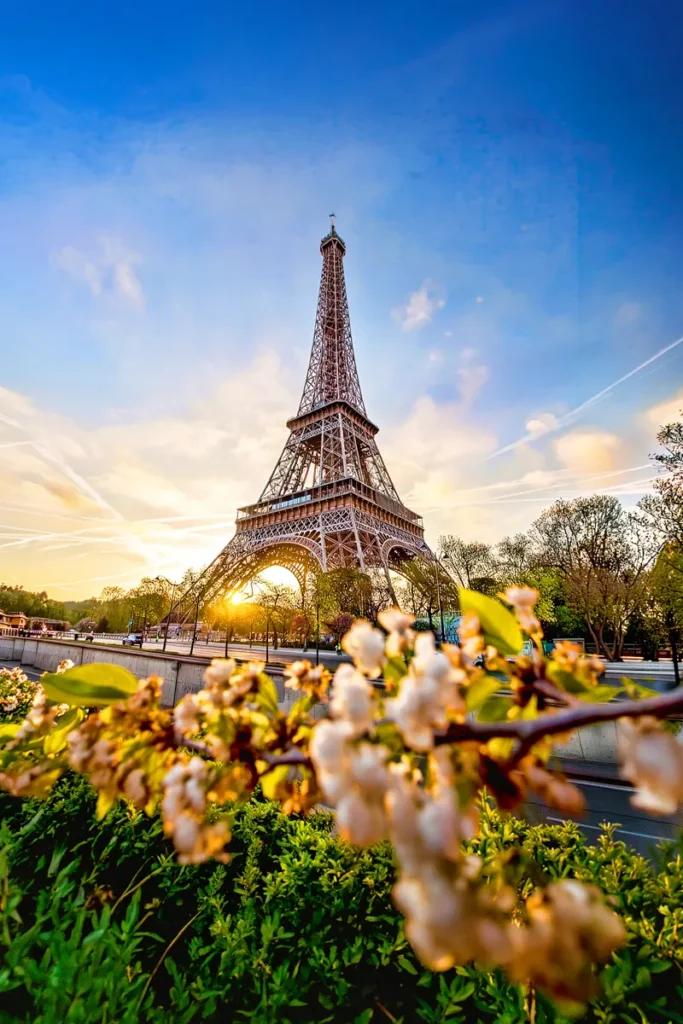
Things to Do in Paris: Iconic Landmarks & Attractions
-
Explore Cities
Things to Do in Rome: Ancient Wonders & Timeless Charm
-
Barcelona
Things to Do in Barcelona: Gaudi’s Architecture & Beaches
-
Explore Cities
Spain Travel Guide: Visa, Attractions and Hotels
-
Explore Cities
Things to Do in Moscow: Red Square, the Kremlin & Beyond
-
Explore Countries
Kuwait National Day 2027: Top Events and Celebrations
-
Al Khobar
Saudi Arabia Stadiums: All 8 Asian Cup 2027 Venues, Capacities and Locations
-

Explore Countries
Asian Cup 2027: The Complete Guide to the Tournament in Saudi Arabia
-
Explore Countries
Oman National Day 2026: Top Events and Celebrations