


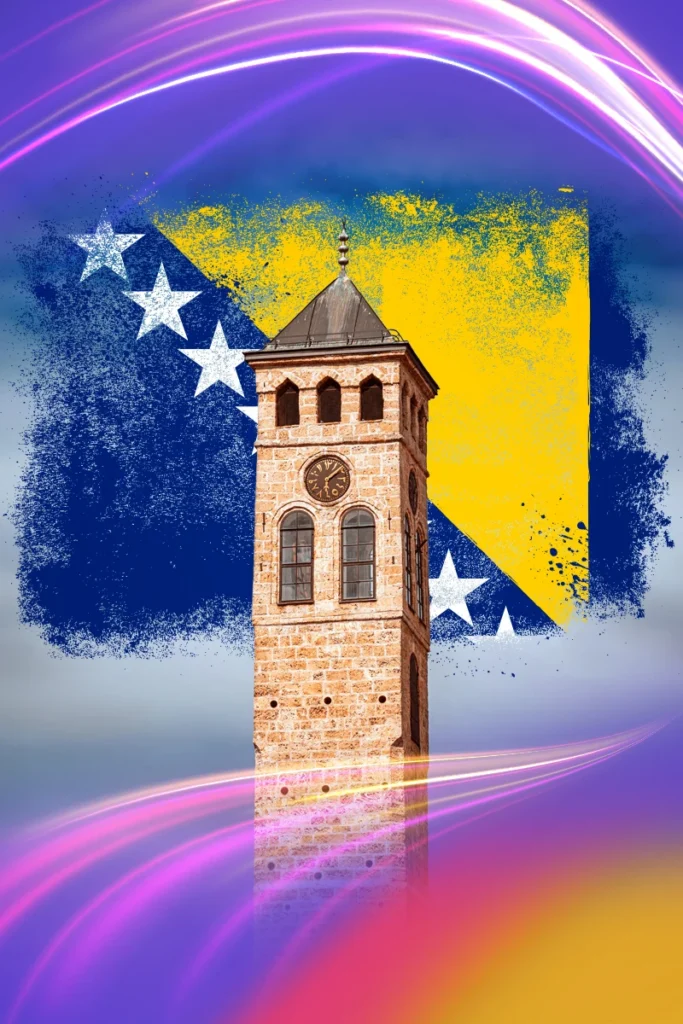
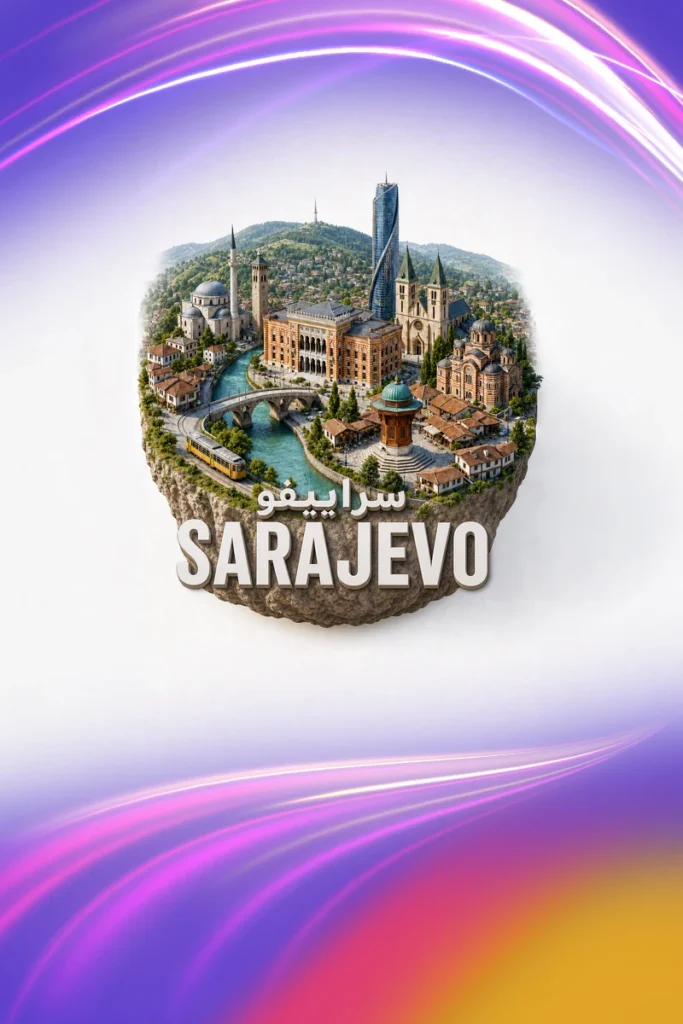










































Sarajevo Travel Guide: Weather, Attractions & Hotels
Sarajevo has become one of the most talked-about European destinations on Saudi travel accounts in recent years, and it is easy to see why. The city combines a deep Islamic heritage with prices that are genuinely affordable compared to the rest of Europe, alongside a distinctive architectural character that blends Ottoman minarets with Austro-Hungarian facades within the same short walk.
This guide covers everything that makes Sarajevo, the capital of Bosnia and Herzegovina, worth visiting: its weather and the best time to go, its top attractions and restaurants, and where to stay during your trip.
Sarajevo, the Capital of Bosnia and Herzegovina: A Quick Overview
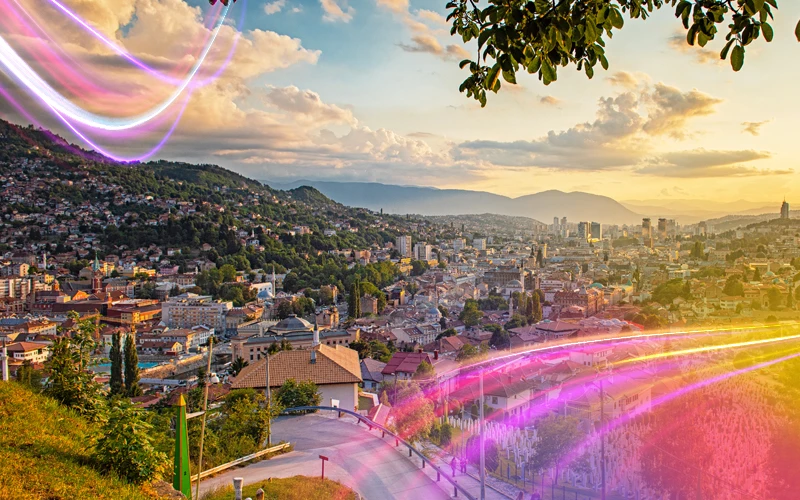
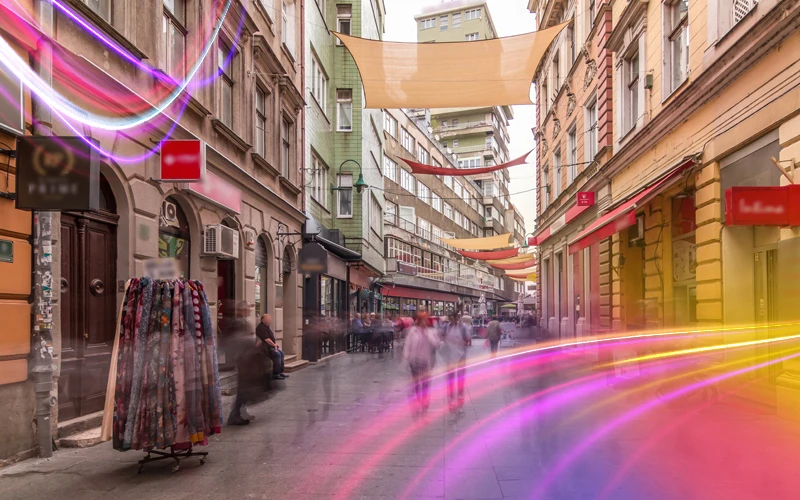
Sarajevo is the capital and largest city of Bosnia and Herzegovina, home to around 350,000 people within city limits, with that number rising considerably across its wider metropolitan area. The city sits in a narrow valley surrounded by mountains on every side, which is part of why it hosted the 1984 Winter Olympics. Sarajevo is often described as the city where East meets West, since you can walk from the old Ottoman quarter of Baščaršija into the modern Austro-Hungarian part of downtown in just a few minutes. There is even a stone marker embedded in the pavement on Ferhadija Street reading Sarajevo Meeting of Cultures, marking the exact point where the architecture shifts from Eastern to European style.
Weather in Bosnia and the Best Time to Visit Sarajevo
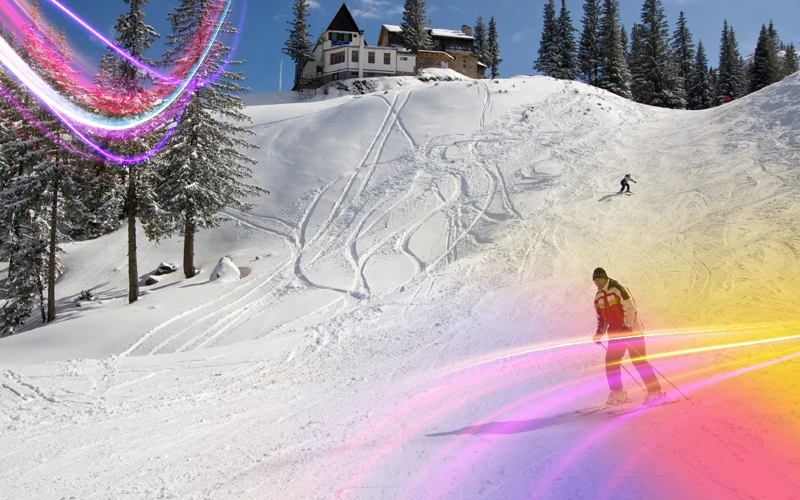
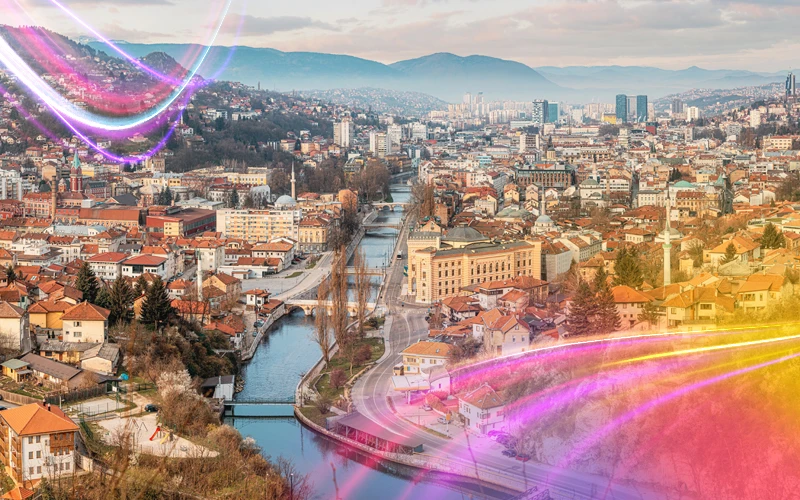
Sarajevo’s weather is defined by four distinct seasons, largely shaped by its elevated mountain location roughly 600 meters above sea level. Winters run cold and often snowy, with temperatures that can drop below freezing, which is exactly why the surrounding mountains, like Bjelašnica and Jahorina, are popular ski destinations. Summers are relatively mild compared to southern Europe, with average daytime highs rarely climbing past the high 20s Celsius, while spring and autumn offer the most comfortable conditions for walking through the city’s narrow streets without excessive heat or cold.
The Best Attractions in Sarajevo
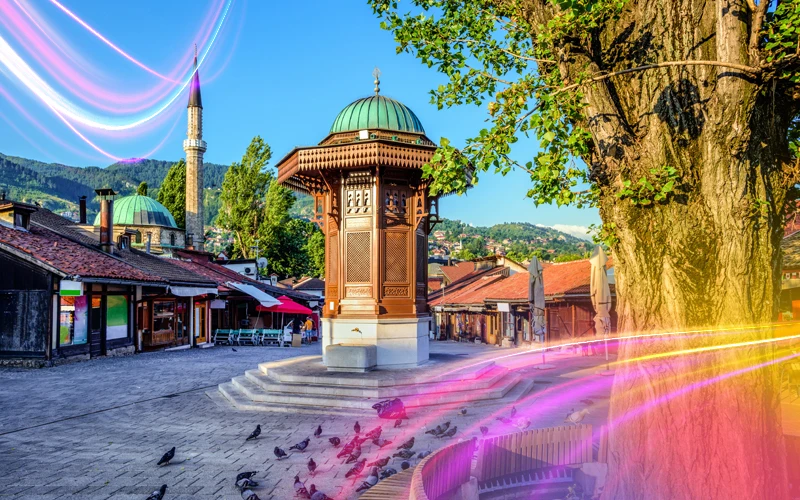
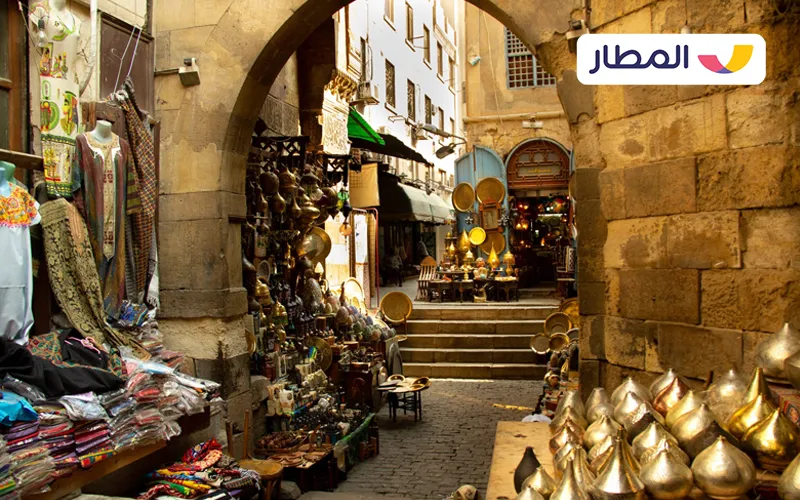
- Baščaršija: the old Ottoman bazaar at the heart of the city, and the best starting point for exploring Sarajevo, with its cobbled alleys and copper and craft shops.
- Sebilj Fountain: a wooden Ottoman-style fountain in the middle of Baščaršija’s main square, and one of Sarajevo’s most photographed landmarks.
- Latin Bridge: the historic bridge where Archduke Franz Ferdinand of Austria was assassinated in 1914, the event that sparked World War I.
- Gazi Husrev-beg Mosque: Sarajevo’s largest and most important historic mosque, built in the 16th century, and a fine example of classical Ottoman architecture.
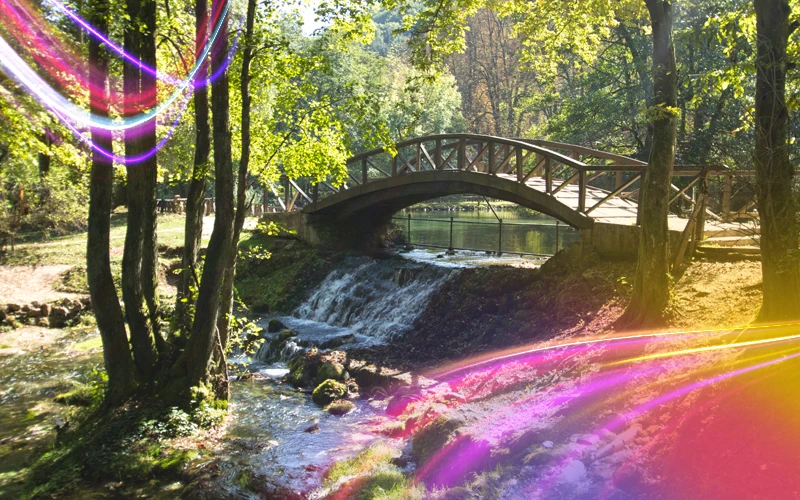
- Vrelo Bosne: a peaceful natural park at the source of the Bosna River, ideal for escaping the city’s bustle by horse-drawn carriage or bicycle.
- Yellow Fortress: an elevated viewpoint offering the best panoramic view over all of Sarajevo, particularly striking at sunset.
Where East Meets West in Sarajevo
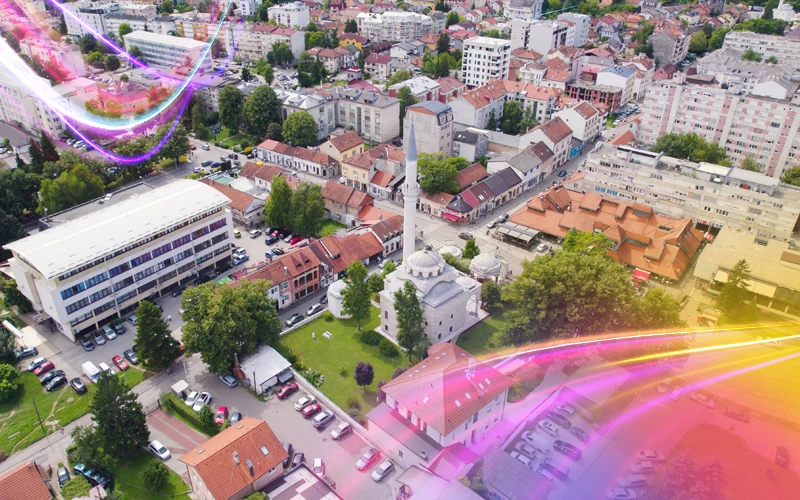
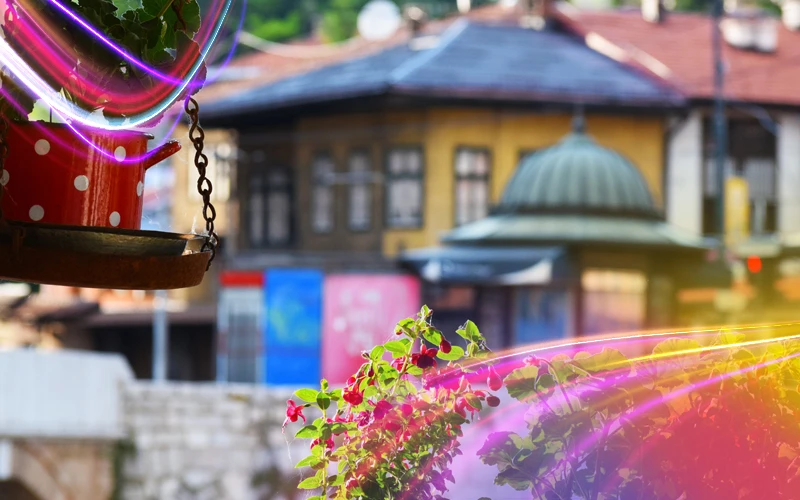
Ferhadija Street is the clearest experience of the idea behind this guide’s title. Walking from Baščaršija toward the modern city center, you pass suddenly from domed, minaret-topped architecture and covered markets into classical European stone facades and wide commercial streets, without any jarring transition between them. This seamless overlap of two architectural identities is what sets Sarajevo apart from any other European capital.
Where to Stay in Sarajevo
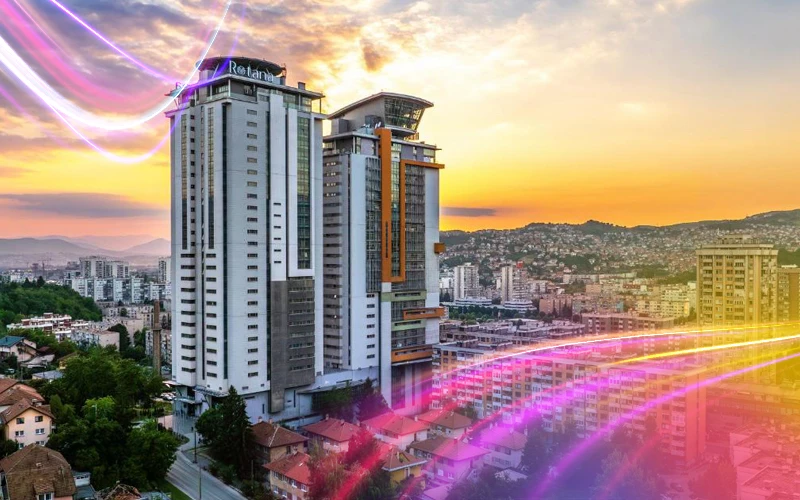
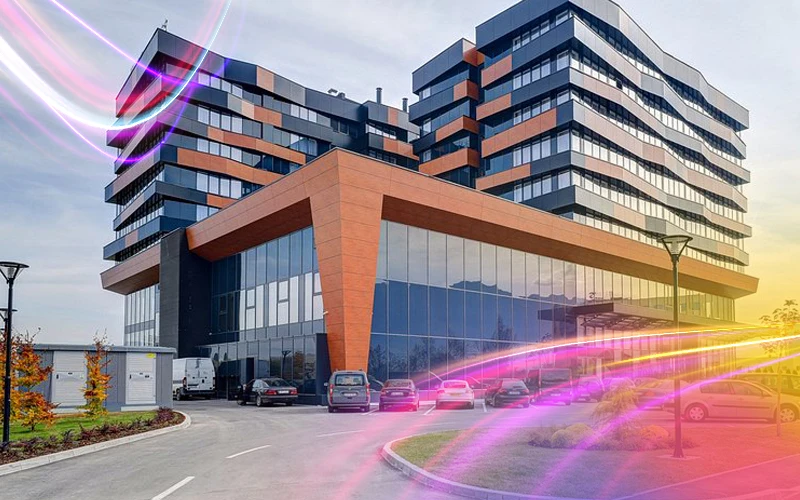
Accommodation in Sarajevo splits between historic hotels in the city center and modern properties closer to what Gulf visitors typically expect. Here are a few solid options:
- Hotel Europe: a storied historic hotel sitting right at the entrance to Baščaršija, one of Sarajevo’s oldest and most recognized hotels.
- Bosmal Arjaan Rotana Sarajevo: a luxury property under the well-known Gulf Rotana chain, a comfortable choice for anyone looking for familiar service standards.
- Malak Regency Hotel: a hotel geared specifically toward Arab and Gulf visitors, close to the city center.
- Courtyard by Marriott Sarajevo: a globally trusted option with consistent service standards, close to the Sarajevo conference center.
For more options, browse the full list of Sarajevo hotels on almatar.
Practical Tips for Visiting Sarajevo
- Local currency: Bosnia and Herzegovina’s currency is the convertible mark, and it is worth carrying some cash since smaller shops in Baščaršija don’t always accept cards.
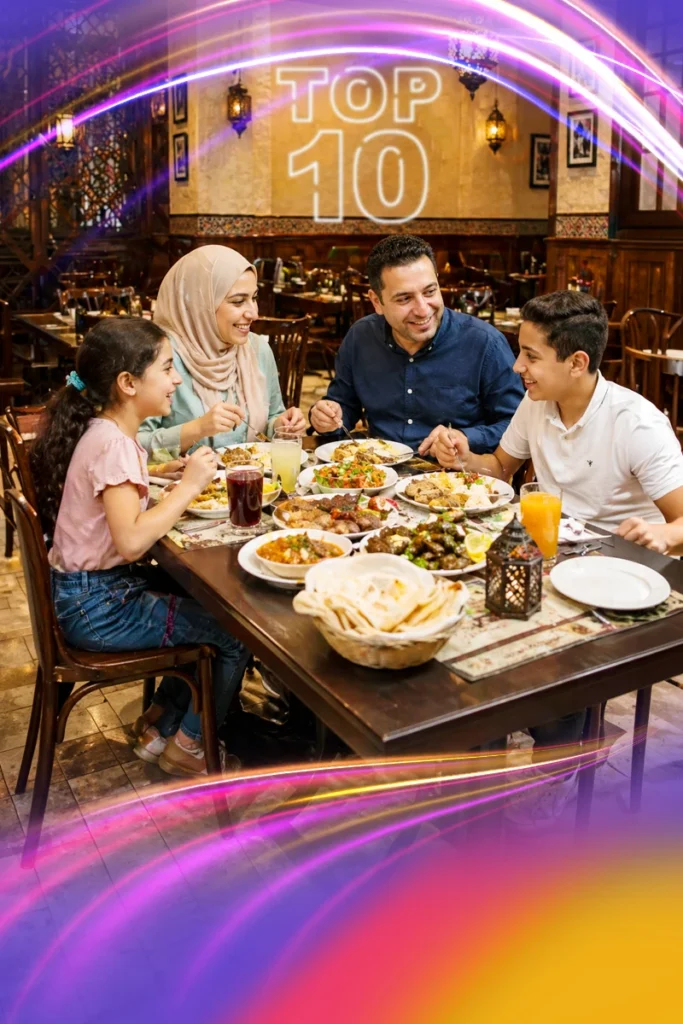
- Halal food is available almost everywhere: since Bosnia has a Muslim-majority population, most local restaurants are naturally halal, a rare advantage compared to most other European destinations.
- Explore on foot: central Sarajevo is fairly compact and very walkable, with most major attractions within a relatively short distance of each other.
- Set aside time for the Tunnel of Hope Museum: it offers a deep understanding of the city’s recent history during the siege of the 1990s, and is one of the most moving experiences in Sarajevo.
Book Your Trip Now
Now that you have a clear picture of Sarajevo and its top attractions, use almatar’s flight search feature to compare fares to Bosnia and Herzegovina.
You can also book your stay in Sarajevo all in one place.
Frequently Asked Questions
What is the capital of Bosnia and Herzegovina?
The capital of Bosnia and Herzegovina is Sarajevo, also its largest city, known for blending Eastern Ottoman character with Western European style within a relatively small area.
What is the weather in Bosnia like?
Sarajevo has four distinct seasons, with cold, snowy winters good for skiing and relatively mild summers, while spring and autumn are the best times to visit in terms of weather.
What are the best attractions in Sarajevo?
Sarajevo’s top attractions include Baščaršija and the Sebilj Fountain, the historic Latin Bridge, the Gazi Husrev-beg Mosque, and the Yellow Fortress, which offers the best view over the city.
Is halal food widely available in Sarajevo?
Yes. Since Bosnia and Herzegovina has a Muslim-majority population, most local restaurants are naturally halal without needing to search for specialized options as you might elsewhere.
What is the best time to visit Sarajevo?
Spring and autumn are the best times to visit Sarajevo thanks to their mild weather, while winter suits anyone interested in skiing in the mountains surrounding the city.
You might also like
-
Philippines
Filipino Food: A Traveler’s Guide to Local Cuisine
-
Explore Countries
Siargao Island: Beaches, Activities & Hotels
-
Philippines
Philippine Islands: Boracay, Palawan & Cebu
-
Manila
Manila Travel Guide 2026: Visa, Attractions & Hotels
-
Philippines
Philippines Travel Guide 2026: Visa, Attractions & Tips
-

News
almatar and Cluster2 Airports Company Sign MoU to Develop Travel Solutions and Grow Umrah Passenger Traffic
-
Explore Countries
Singapore Changi Airport Guide
-
Explore Cities
Penang Travel Guide
-
Explore Cities
Langkawi Island Travel Guide