
























































































Kyoto Travel Guide: Temples, Gardens & Tips
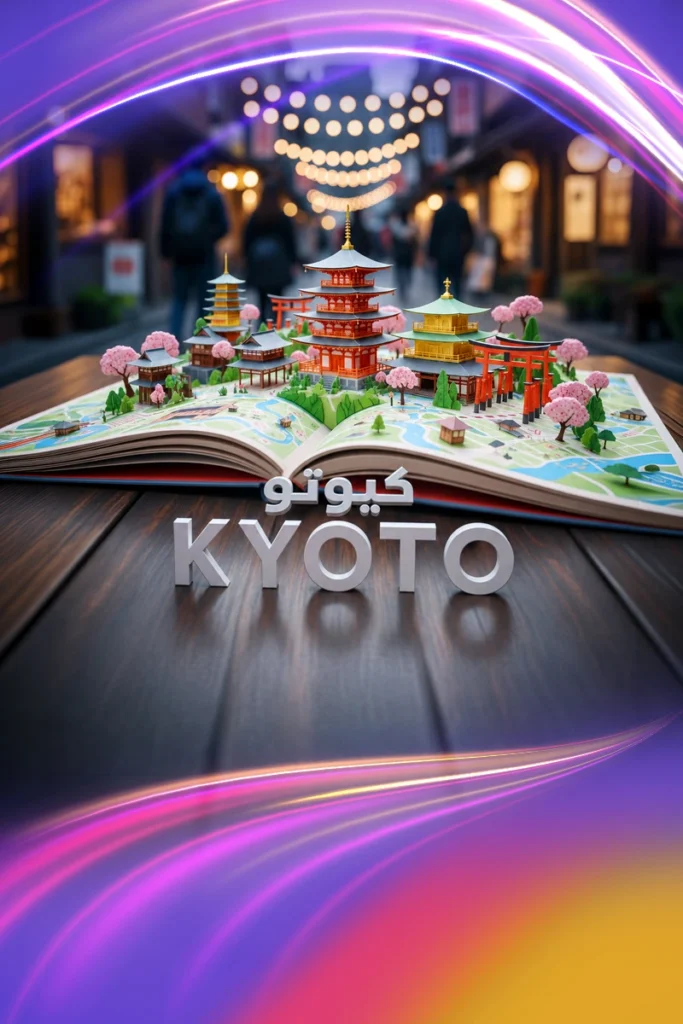
Scroll through Saudi travel accounts on Instagram and TikTok lately and you will spot the same shots on repeat: an endless tunnel of red torii gates, the narrow stone streets of the Gion district, and towering bamboo groves swaying in the wind, all from Kyoto, the city that represents the other side of Japan, far from Tokyo’s skyscrapers and neon lights.
Kyoto served as the imperial capital of Japan for more than a thousand years, and it remains the country’s cultural and historical heart today, with more than two thousand temples, quiet gardens, and traditional crafts passed down through generations. This guide covers Kyoto’s must-see sights, how to get there from Tokyo, and where to stay during your trip.
Why Kyoto Japan Deserves a Spot on Your Itinerary
Unlike modern Tokyo, Kyoto escaped the aerial bombing of World War II, which allowed it to preserve its traditional architecture and old wooden temples intact. The city is home to more than two thousand temples and shrines, seventeen UNESCO World Heritage sites, and classical Japanese gardens designed with extraordinary care over centuries. This rare combination of authenticity and calm makes Kyoto a genuinely different experience from any other Japanese city.
Tokyo to Kyoto: How to Get There


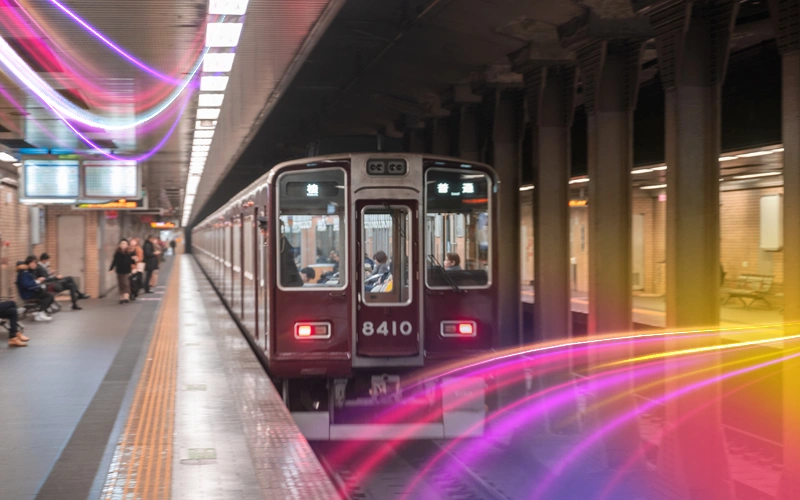
The easiest and fastest way to travel from Tokyo to Kyoto is the Tokaido Shinkansen bullet train, which connects the two cities directly with no transfers needed. The Nozomi train, the fastest option, covers the distance in around 2 hours and 15 minutes, while the Hikari train takes a bit longer, around 2 hours and 40 minutes.
A standard one-way ticket costs approximately 14,000 yen. Keep in mind that the Nozomi is not covered by the Japan Rail Pass, while the Hikari and Kodama trains are. Departures run frequently throughout the day, so there is usually no need to book far in advance, except during peak periods like cherry blossom season and Japan’s major holidays.
The Best Kyoto Temples and Landmarks Not to Miss
- Fushimi Inari Shrine: thousands of red torii gates climbing up the mountainside, Kyoto’s most photographed landmark, and free to visit at any time of day or night.
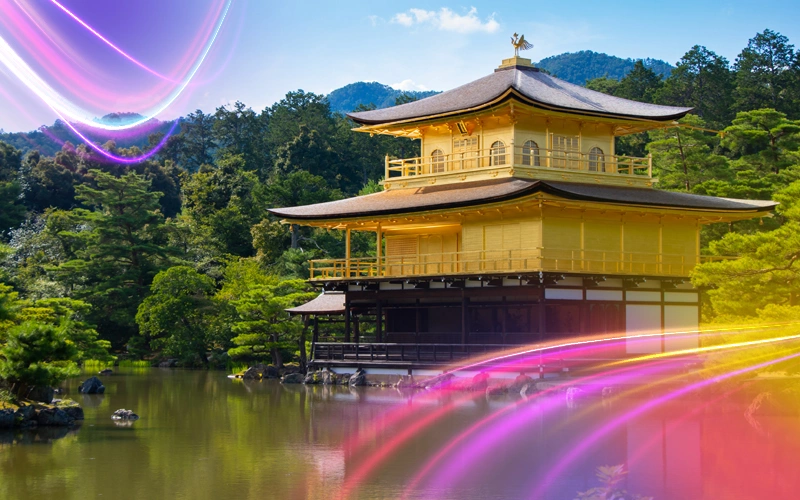
- Kinkaku-ji, the Golden Pavilion: a Buddhist temple entirely covered in gold leaf, reflected in the calm pond in front of it in one of Japan’s most beautiful scenes.
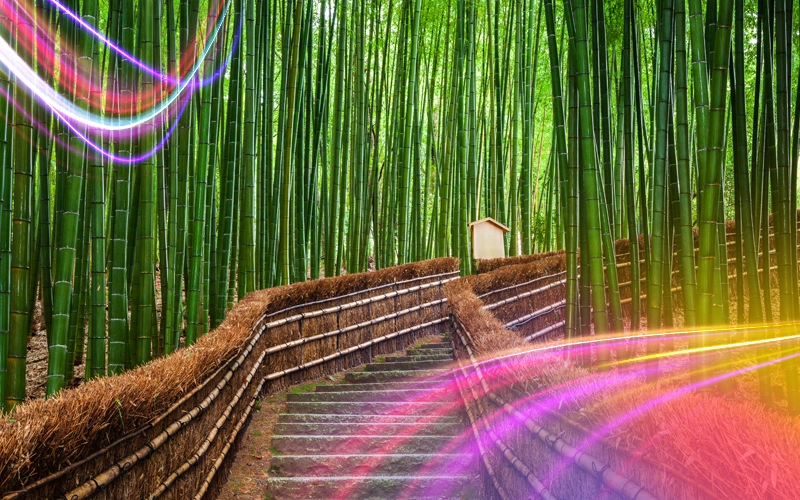
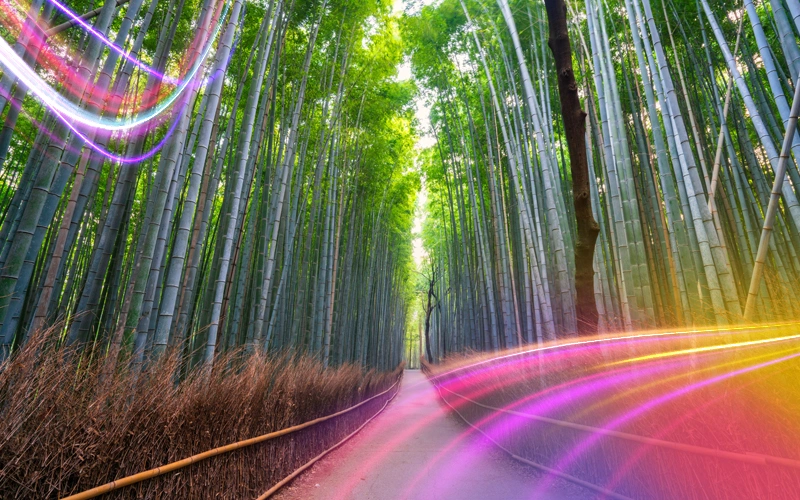
- Arashiyama Bamboo Grove: a towering natural corridor of bamboo, close to the famous Togetsukyo Bridge and the Hozu River.
- Gion District: the historic neighborhood where geisha still move between traditional teahouses, its old stone streets largely unchanged for centuries.
- Kiyomizu-dera Temple: an elevated wooden temple overlooking the entire city, famous for a wooden stage built without using a single nail.
- Nijo Castle: the historic residence of the shogun, known for floors specially designed to creak and warn of any intruder approaching.
The Best Time to Visit Kyoto
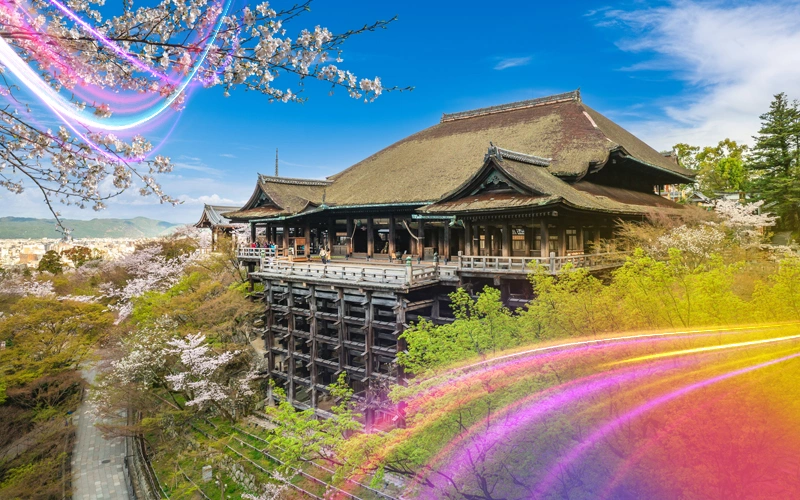
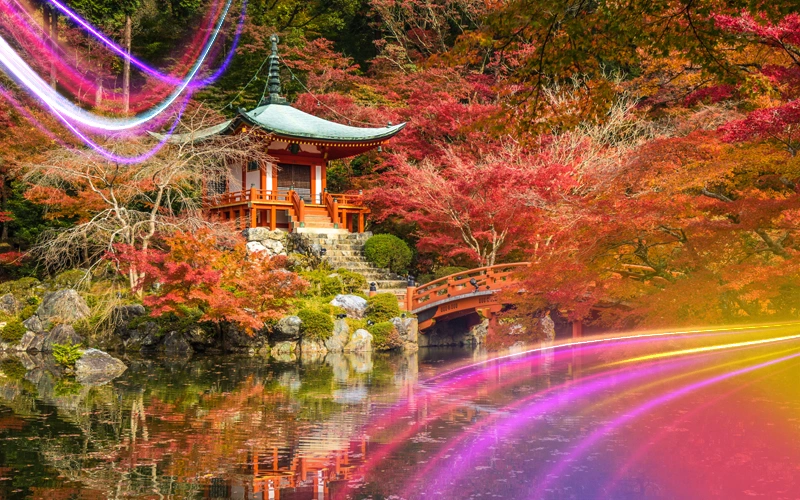
Kyoto shines during two exceptional seasons: spring, from late March to early April, when cherry blossoms bloom along the banks of the Kamo River and around the old palaces, and autumn, from mid-November to early December, when maple leaves turn shades of red and gold that make the temples and gardens look like paintings. Summer brings high heat and humidity, so many visitors prefer to avoid it if possible.
Where to Stay in Kyoto
Kyoto’s best luxury accommodation options cluster around its historic districts. Here are a few solid choices:
- Four Seasons Hotel Kyoto: a luxury hotel surrounded by a classical Japanese garden, close to Sennyuji Temple.
- Hyatt Regency Kyoto: located in the historic Higashiyama area, close to Sanjusangen-do Temple and the Kyoto National Museum.
- The Ritz-Carlton Kyoto: overlooking the Kamo River, just minutes from the Gion district and the Kyoto Imperial Palace.
For more options, browse the full list of Kyoto hotels on almatar.
Practical Tips for Visiting Kyoto
- Wear comfortable shoes: Kyoto’s landmarks are spread across a wide area, and visiting each site involves a fair amount of walking.
- Plan at least a full day for Arashiyama and eastern Kyoto: the distance between the main sites is bigger than it looks on the map.
- Get a day bus pass: it covers most bus lines within the city and works out cheaper than taking taxis between every stop.
- Plan halal food options ahead of time: halal restaurants are less common in Kyoto than in Tokyo, so it is worth researching available options before you travel rather than counting on finding them on the spot.
- Follow temple etiquette: stay quiet, remove your shoes where required, and avoid photography inside halls that prohibit cameras.
Book Your Trip Now
Now that you have a clear picture of your trip to Kyoto and how to get there from Tokyo, use almatar’s flight search feature to compare fares to Japan.
You can also book your stay in Kyoto in one place.
Frequently Asked Questions
What are the most important places to visit in Kyoto?
Kyoto’s top attractions include Fushimi Inari Shrine and its red gates, the golden Kinkaku-ji temple, the Arashiyama Bamboo Grove, the historic Gion district, and Kiyomizu-dera Temple.
How long does it take to get from Tokyo to Kyoto?
The Shinkansen journey takes around 2 hours and 15 minutes on the fast Nozomi train, or about 2 hours and 40 minutes on the Hikari train.
Can Kyoto be visited as a day trip from Tokyo?
Technically yes, thanks to the speed of the Shinkansen, but Kyoto has enough to see that spending at least one night there makes for a much better experience than rushing through it.
What is the best time to visit Kyoto?
Spring, during cherry blossom season, and autumn, during the fall foliage season, are the two best times to visit Kyoto, while the heat and humidity of summer are best avoided.
Are there halal restaurants in Kyoto?
Yes, but options are less common than in Tokyo, so it is best to research halal or Muslim-friendly restaurants in the city before you travel to make sure suitable options are available during your visit.
You might also like
-
Riyadh
Riyadh Airport Alternatives: Compare All Available Routes
-
Philippines
Filipino Food: A Traveler’s Guide to Local Cuisine
-
Explore Countries
Siargao Island: Beaches, Activities & Hotels
-

Philippines
Philippine Islands: Boracay, Palawan & Cebu
-
Manila
Manila Travel Guide 2026: Visa, Attractions & Hotels
-
Philippines
Philippines Travel Guide 2026: Visa, Attractions & Tips
-

News
almatar and Cluster2 Airports Company Sign MoU to Develop Travel Solutions and Grow Umrah Passenger Traffic
-
Explore Countries
Singapore Changi Airport Guide
-
Explore Cities
Penang Travel Guide