
























































































































Best Halal Restaurants in Tokyo and a Guide to Japanese Cuisine
Scroll through any Saudi travel account on Instagram or TikTok these days and you will run into the same shots: a steaming bowl of ramen, a slice of wagyu that looks like it is about to melt on camera. Tokyo’s food scene has become one of the biggest draws for Gulf travelers, and for good reason. But the question a lot of Saudi visitors ask specifically is where to find halal restaurants in Tokyo that do justice to this rich cuisine without compromising on dietary requirements.
This guide walks you through the dishes that define Japanese cuisine, then covers the best restaurants in Tokyo neighborhood by neighborhood, including a full breakdown of halal options, nearby mosques, and where to stay near each area.
Japanese Cuisine: Key Dishes to Try
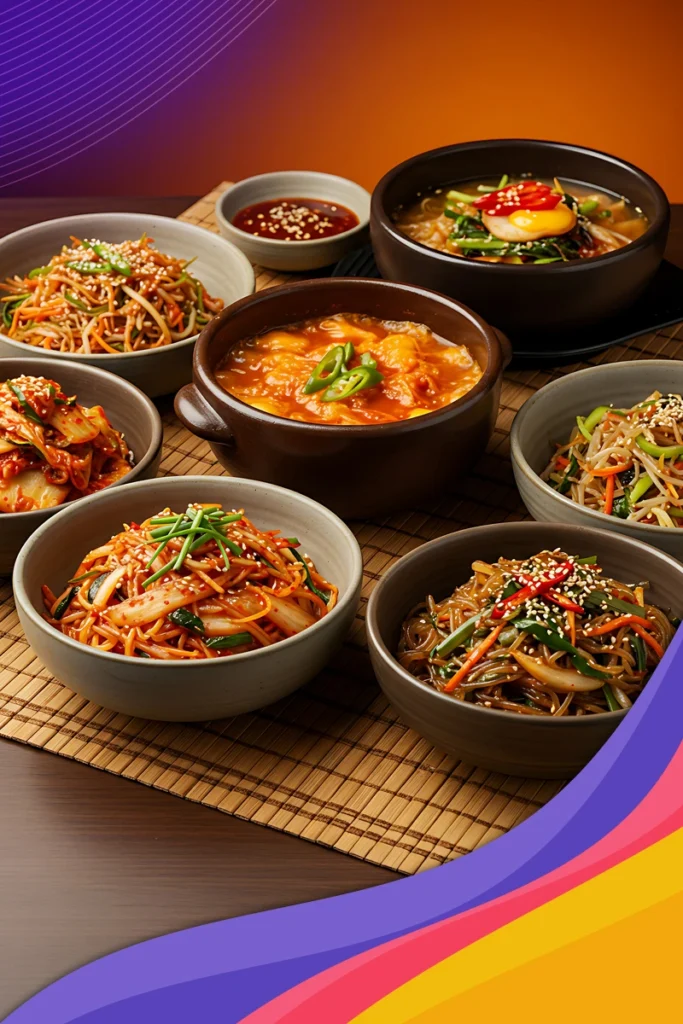
Japanese cuisine is built on balance and precision more than heavy seasoning, with each dish leaning on ingredient quality rather than a long list of additions. Here are the dishes that define it:
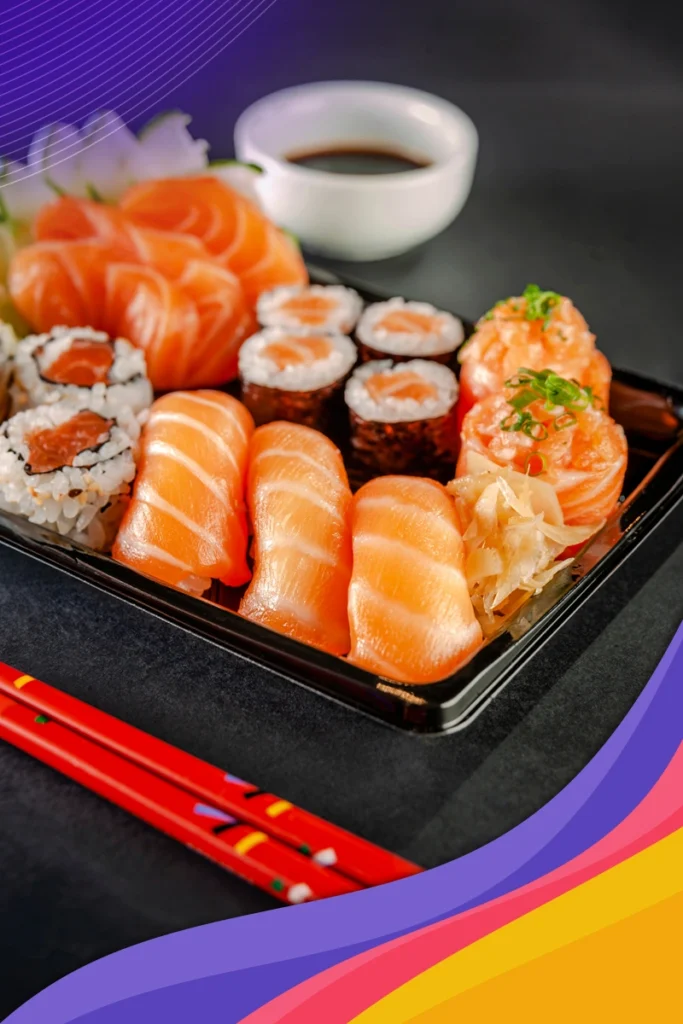
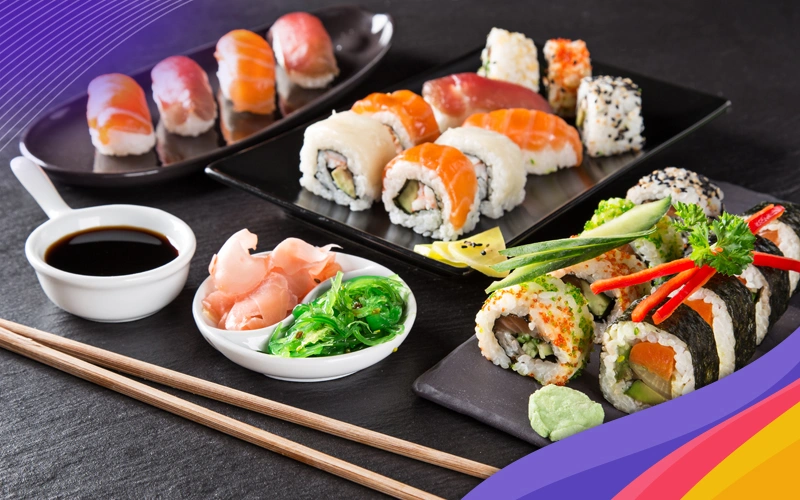
- Sushi and sashimi: Japan’s best-known culinary export worldwide, built almost entirely around the quality of fresh fish.
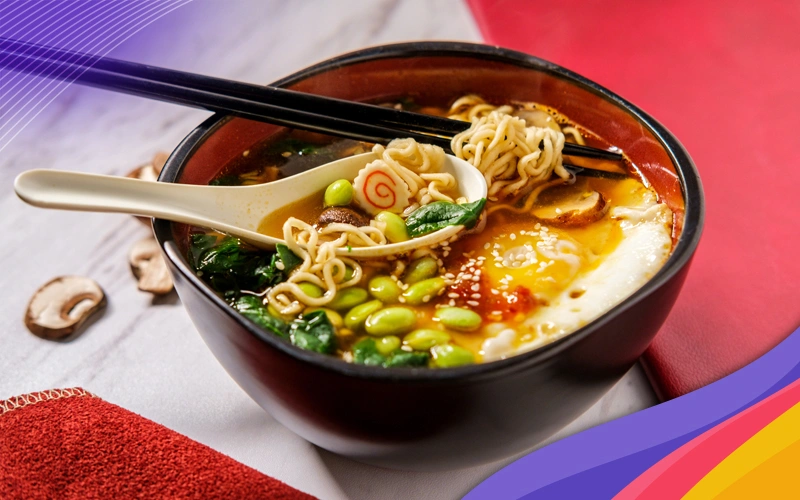
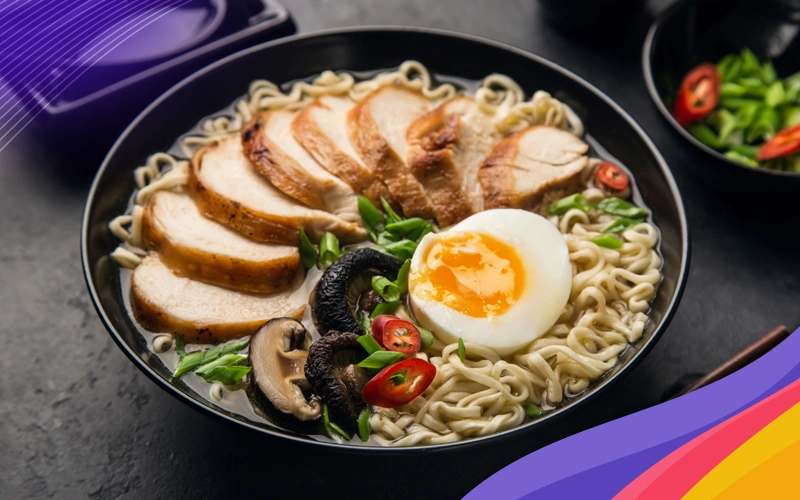
- Ramen: a rich noodle soup that varies dramatically by region, with shoyu, miso, and tonkotsu among the most common styles.
- Tempura: seafood and vegetables fried in a light, crisp batter, usually served with a delicate dipping sauce.
- Wagyu: premium Japanese beef known for its marbling, which gives it a famously tender texture and rich flavor.
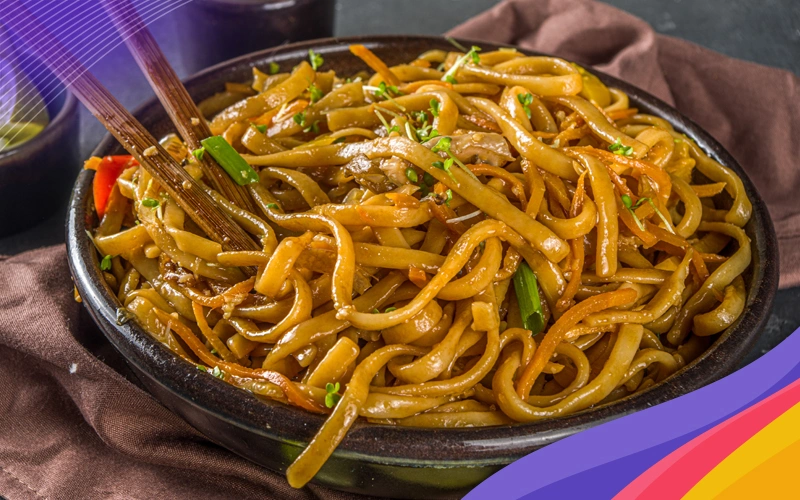
- Udon and soba: thick or thin noodles served hot or cold, among the most commonly eaten dishes by locals themselves.
- Okonomiyaki: a savory pancake made with cabbage and meat or seafood, often cooked right in front of you on a hot griddle.
Tokyo Restaurants: Where to Find the Best Food in Every Neighborhood
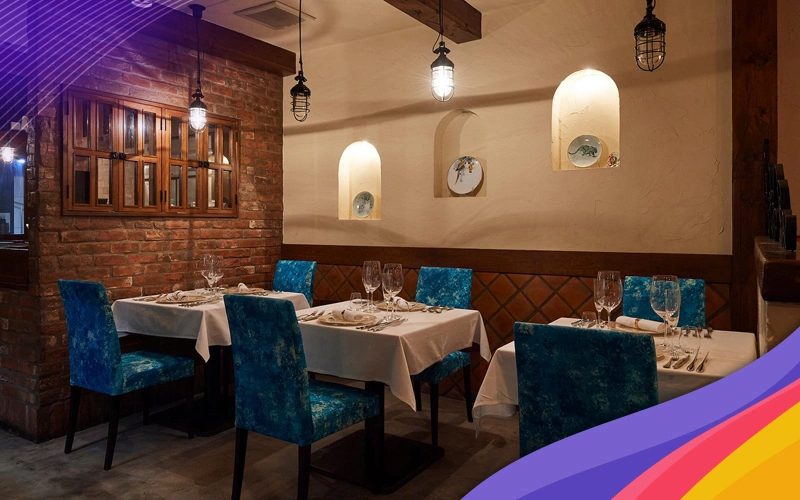
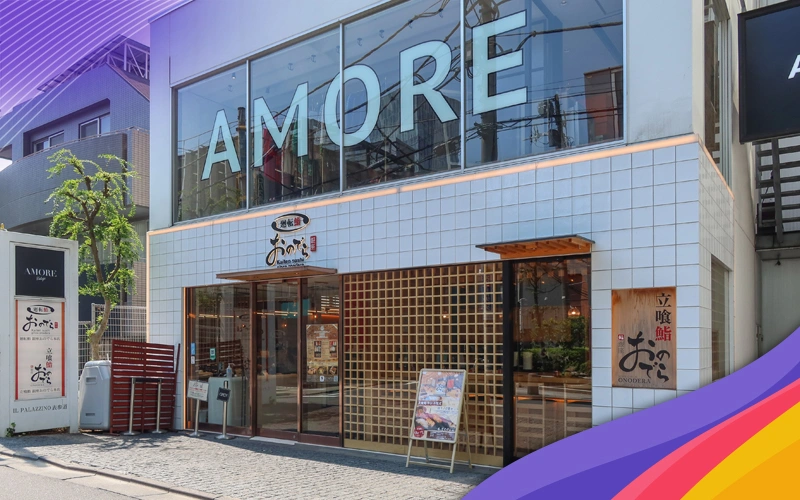
Tokyo’s best restaurants are spread across neighborhoods that each have their own personality. In Tsukiji and Toyosu, you will find the city’s top sushi restaurants, built around fish sourced from the adjacent market that same morning. Omoide Yokocho, the narrow alley in Shinjuku, is known for its tiny yakitori joints that barely seat ten people.
For a fine dining experience, Ginza is the obvious destination for Michelin-starred kaiseki and sushi, while ramen shops seem to appear on nearly every corner of the city, from Shinjuku to Ikebukuro.
Halal Restaurants in Tokyo: A Complete Guide
Tokyo’s halal restaurant scene has expanded significantly over the past few years, especially in neighborhoods with a steady flow of Muslim visitors. Here is a breakdown by area:
Asakusa: Halal Options Near Senso-ji
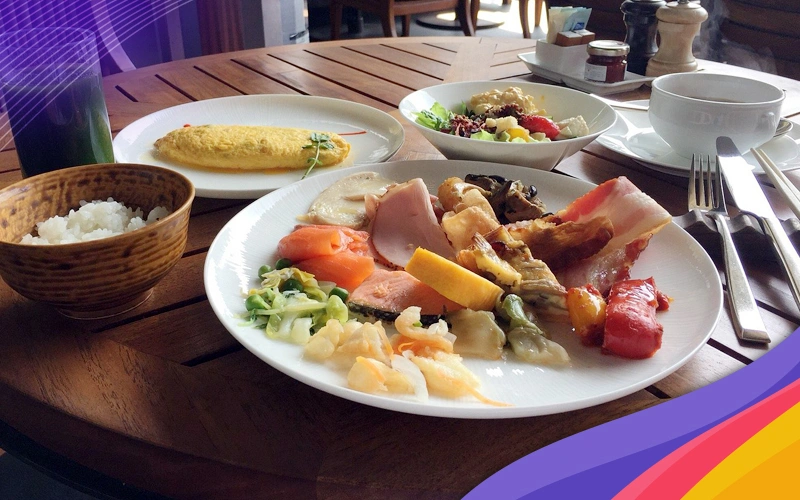
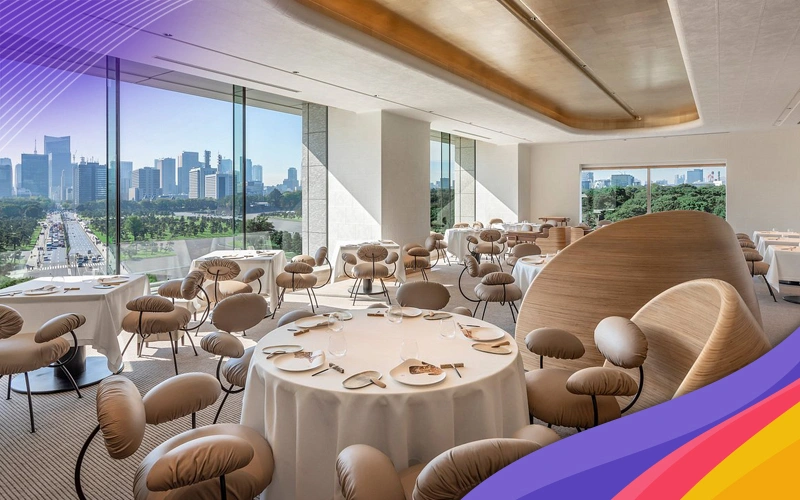
Naritaya is Tokyo’s most established halal ramen shop, just three minutes from Senso-ji Temple. For sushi, Asakusa Sushi Ken is known as the city’s first halal-certified sushi restaurant, with lunch sets running between 1,200 and 2,200 yen. Honolu Premier, a halal Japanese-Western fusion ramen chain, also has a branch about a minute from the temple.
Recommended hotel: Palace Japan Hotel sits just a few minutes from Senso-ji, Naritaya, and Asakusa Sushi Ken.
Shibuya: Halal Wagyu Near the Famous Crossing
Gyumon stands out for yakiniku lovers, serving certified halal wagyu about five minutes from Shibuya Station’s Hachiko exit, with dinner prices running between 5,000 and 10,000 yen and lunch considerably cheaper.
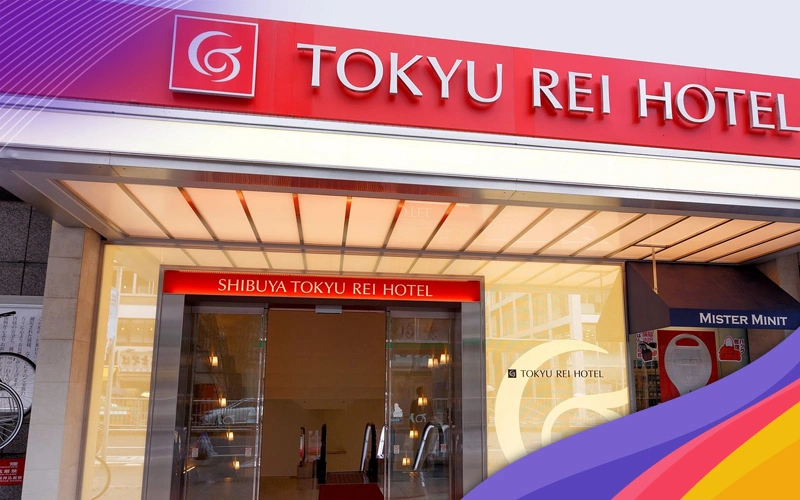
Recommended hotels: Shibuya Tokyu REI Hotel and Tokyu Stay Shibuya both sit close to Gyumon and the famous crossing.
Shinjuku and Shin-Okubo: Tokyo’s Largest Halal Food Cluster
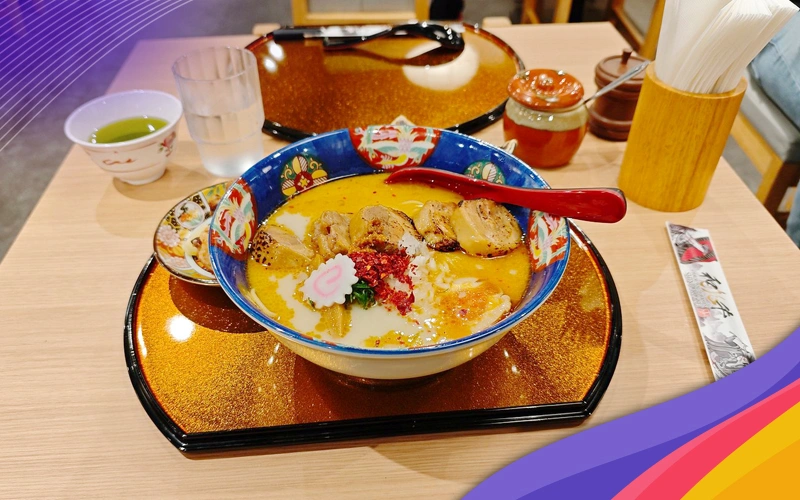
Shinjuku-tei, which specializes in halal wagyu ramen, is about a five-minute walk from Shinjuku Station’s east exit, with additional branches in Ginza, Shibuya, and Yotsuya. Shin-Okubo, one stop from Shinjuku, is home to Tokyo’s largest concentration of halal and international restaurants, and is worth a dedicated visit if you want more variety.
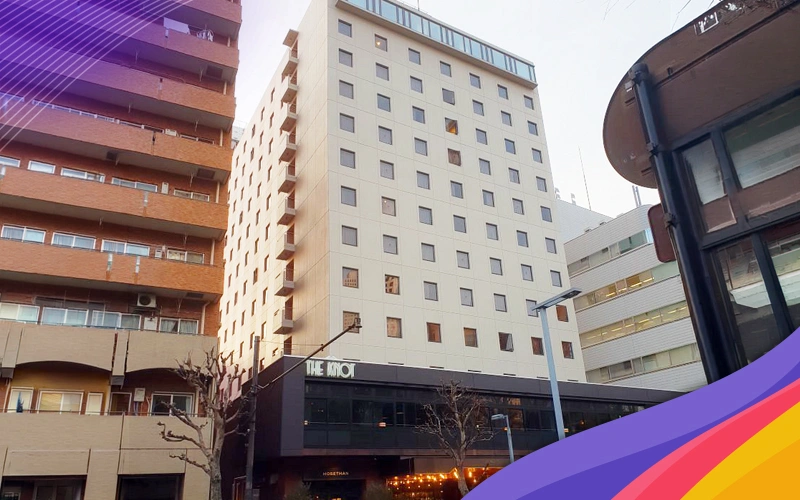
Recommended hotel: The Knot Tokyo Shinjuku is close to Shinjuku-tei and the Shin-Okubo halal food cluster.
Mosques and Prayer Spaces Near These Restaurants
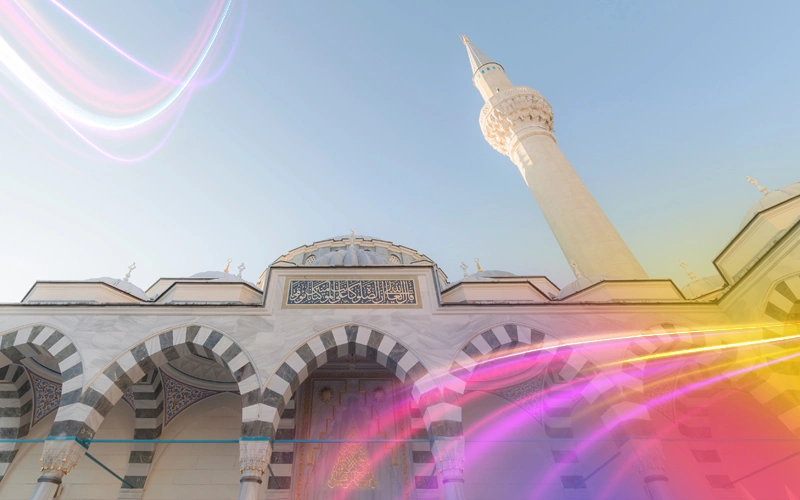
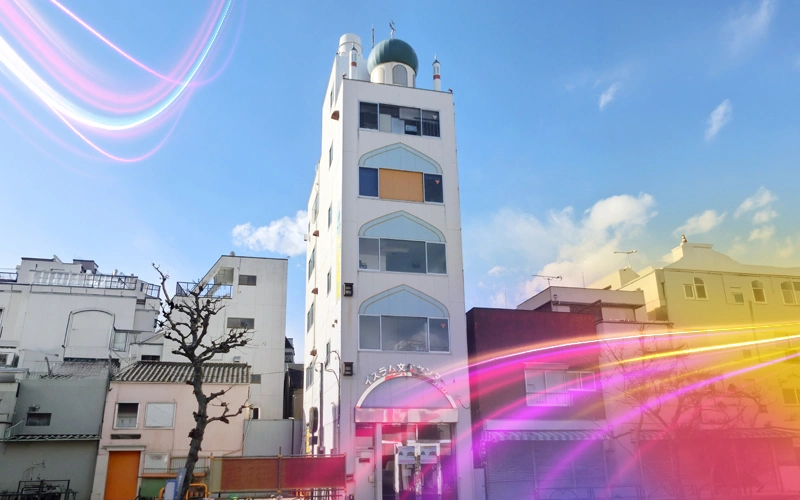
Tokyo Camii in Shibuya is the city’s largest mosque and the closest to the Shibuya and Harajuku areas. In Asakusa, a small mosque known as Darul Arqam sits a short distance from Senso-ji, a convenient stop between meals.
Tips for Finding Real Halal Food in Japan
- Understand the difference between certified and Muslim-friendly: a halal-certified restaurant has gone through a formal audit of its ingredients and preparation process, while Muslim-friendly means the restaurant avoids pork and alcohol without necessarily undergoing a formal audit.
- Remember Japan doesn’t have a single national halal certifying body: standards vary between restaurants, so it is always worth asking directly about the meat source and preparation method.
- Use dedicated apps: halal restaurant finder apps help you locate verified options and nearby prayer spaces at the same time.
- Book ahead at upscale spots: some of the higher-end halal sushi and wagyu restaurants require reservations, especially on weekends.
Where to Stay Near Tokyo’s Best Restaurants
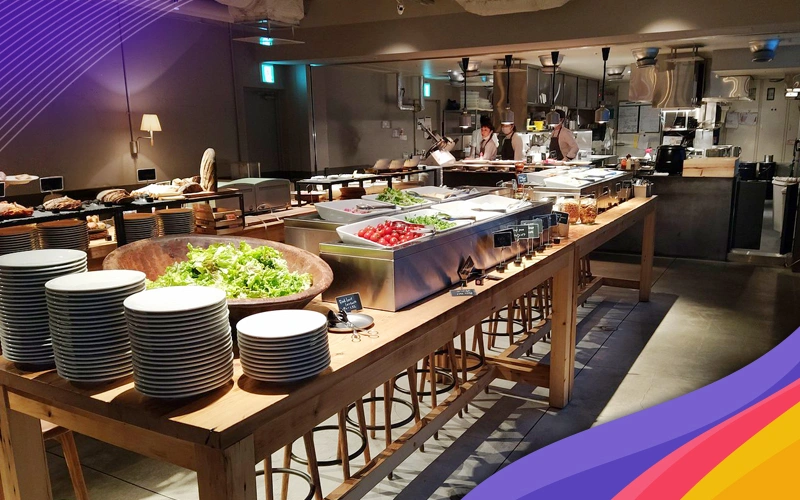
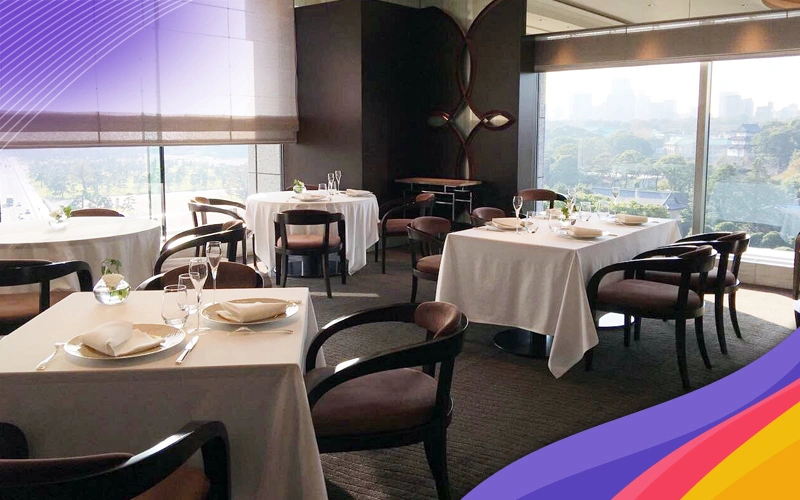
Picking a hotel close to these restaurants saves significant time between meals and sightseeing. Here are a few solid options:
- Asakusa: Palace Japan Hotel, close to Senso-ji and the neighborhood’s halal restaurants.
- Shibuya: Shibuya Tokyu REI Hotel and Tokyu Stay Shibuya, near Gyumon and the famous crossing.
- Shinjuku: The Knot Tokyo Shinjuku, close to Shinjuku-tei and Shin-Okubo.
For more options, browse the full list of Tokyo hotels on almatar.
Book Your Trip Now
Now that you have a full guide to Tokyo’s best restaurants and Japanese cuisine, use almatar’s flight search feature to compare fares to Tokyo.
You can also book your stay near any of these neighborhoods.
Frequently Asked Questions
Are there halal restaurants in Tokyo?
Yes. Tokyo has dozens of halal and Muslim-friendly restaurants, concentrated especially in Asakusa, Shin-Okubo, and Shibuya.
What are the most popular Japanese dishes?
Japanese cuisine’s best-known dishes include sushi, sashimi, ramen, tempura, wagyu, udon, soba, and okonomiyaki.
Where can I find fine dining in Tokyo?
Ginza is Tokyo’s main fine dining district, home to many of the city’s Michelin-starred kaiseki and sushi restaurants, though excellent tasting menus can also be found in Nishi-Azabu and other central neighborhoods.
Is Japanese food generally halal?
Not necessarily. Many Japanese dishes include pork or alcohol as part of the preparation, so it is best to look specifically for certified or Muslim-friendly restaurants rather than assuming any Japanese restaurant will work.
What is the difference between halal-certified and Muslim-friendly restaurants?
A halal-certified restaurant has undergone a formal audit of its ingredients and supply chain by a recognized certifying body, while Muslim-friendly means the restaurant avoids pork and alcohol in cooking without necessarily going through a full formal audit.
You might also like
-
Philippines
Filipino Food: A Traveler’s Guide to Local Cuisine
-

Explore Countries
Siargao Island: Beaches, Activities & Hotels
-

Philippines
Philippine Islands: Boracay, Palawan & Cebu
-
Manila
Manila Travel Guide 2026: Visa, Attractions & Hotels
-

Philippines
Philippines Travel Guide 2026: Visa, Attractions & Tips
-

News
almatar and Cluster2 Airports Company Sign MoU to Develop Travel Solutions and Grow Umrah Passenger Traffic
-

Explore Countries
Singapore Changi Airport Guide
-
Explore Cities
Penang Travel Guide
-
Explore Cities
Langkawi Island Travel Guide