












South Korea Travel Guide 2026: Attractions, Visa & Costs
You could visit Seoul, walk around Myeongdong, take a few photos, and return home feeling that you only saw the country’s surface. The problem is often not limited to time but also to a lack of a clear plan showing where to begin and how to organize your days. This guide covers the essentials of South Korea tourism in 2026, including entry requirements, travel costs, transportation, and the country’s top destinations.
Why Is South Korea Tourism Trending in 2026?

South Korea continues to attract international and Gulf travelers for several practical reasons:
- Simplified entry procedures for Gulf citizens, with no advance visa required for short visits.
- A high-speed rail network that reduces travel between major cities to around two hours or less.
- Four distinct seasons, each offering completely different scenery and activities.
- A rare combination of Joseon-era palaces and highly modern technology districts.
- A growing number of halal restaurants and prayer rooms in airports and shopping malls.
South Korea Visa for Saudi Travelers and Entry Requirements
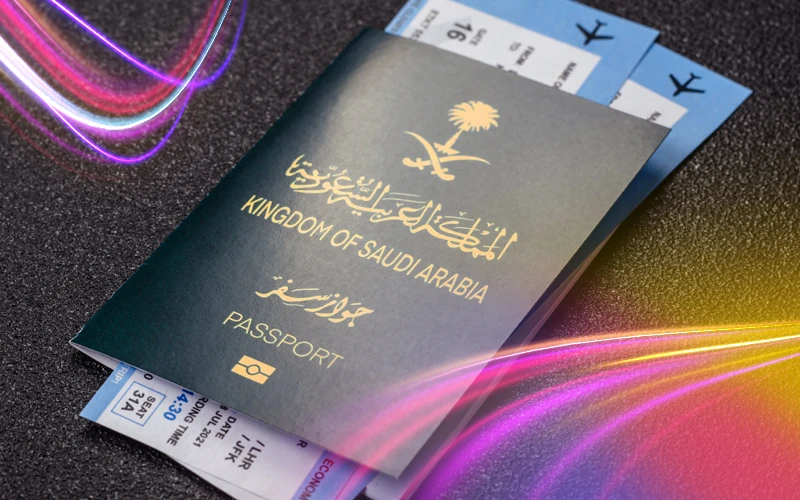
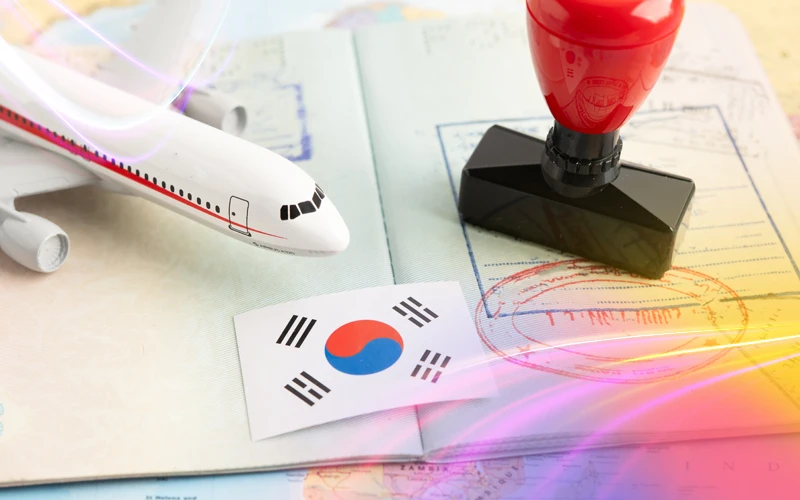
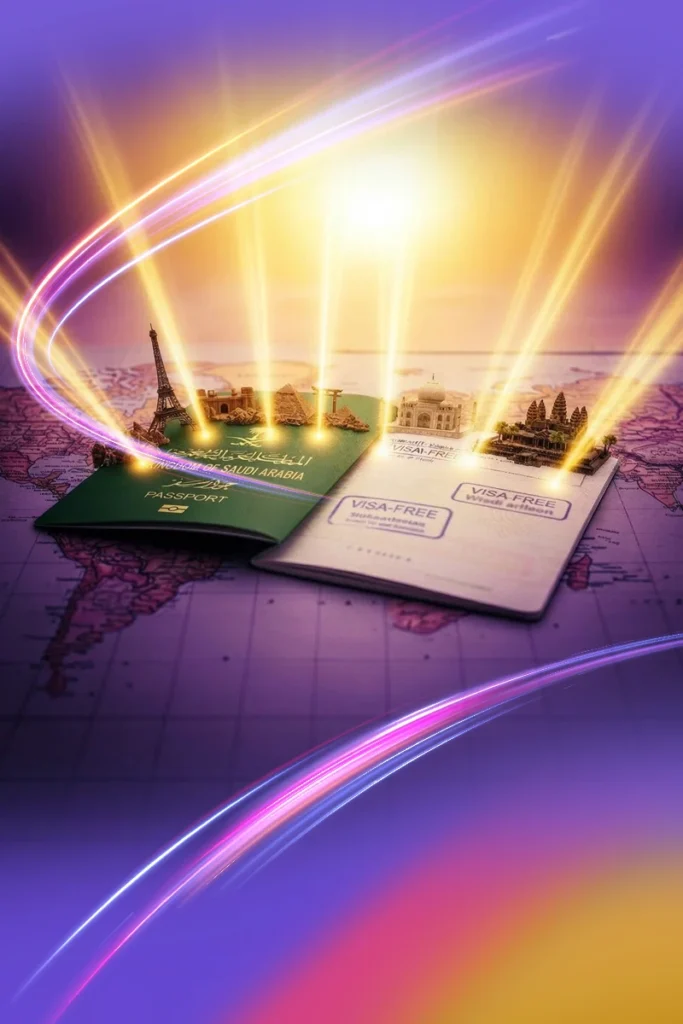
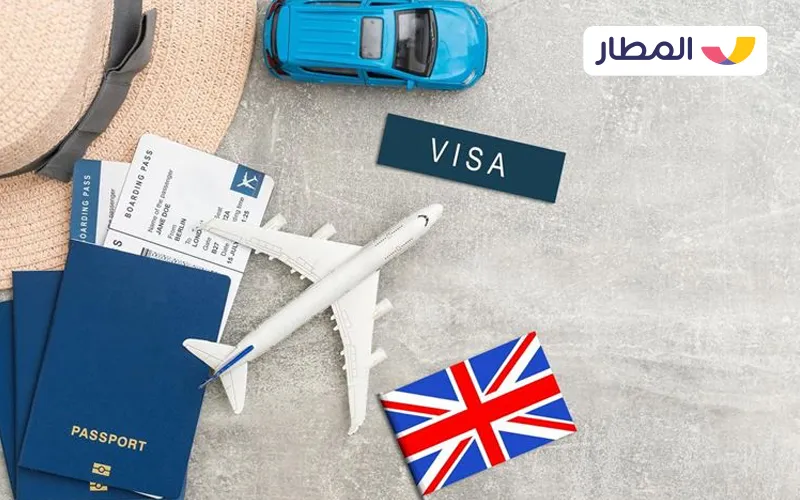
Saudi passport holders can enter South Korea for tourism without a visa for stays of up to 30 days.
Citizens of Kuwait, Qatar, Oman, and Bahrain are also permitted to stay for up to 30 days, while UAE citizens can stay for up to 90 days.
The K-ETA authorization is not required for citizens of Gulf countries until December 31, 2026. However, travelers may still apply for it voluntarily.
The electronic e-Arrival Card has been mandatory for visitors since January 1, 2026. It can be submitted free of charge within 3 days of arrival.
Travelers with a valid K-ETA are exempt from completing the electronic arrival card. Children aged 17 or younger and adults aged 65 or older are already exempt from the K-ETA requirement.
When entering the country, you should be prepared to present:
- A valid passport.
- A return or onward ticket.
- The address of your first accommodation.
Stays longer than 30 days, as well as travel for work or study, require an appropriate visa from the South Korean embassy.
Entry rules may change, so check the official government website a few days before you travel to Korea.
South Korean Currency and Travel Budget
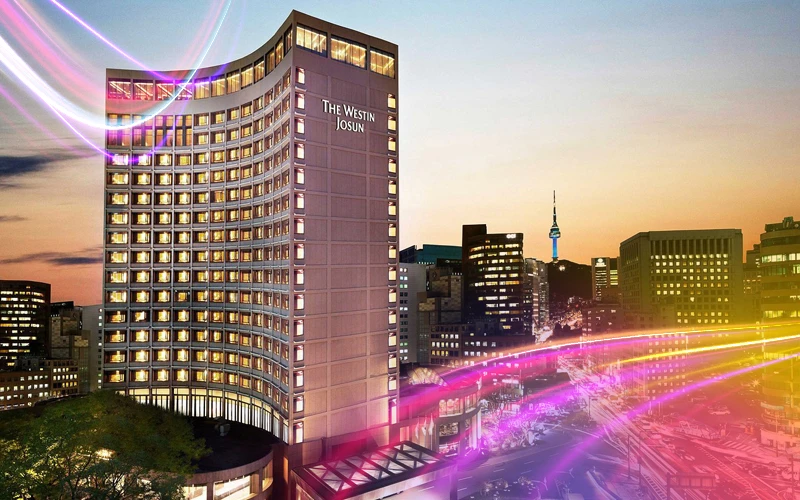
The official currency is the South Korean won, abbreviated as KRW and represented by the symbol ₩.
In 2026, one Saudi riyal was approximately 390 to 410 South Korean won. Exchange rates change daily.
Estimated Daily Expenses per Person
- Meal at a local restaurant: KRW 9,000 to 16,000.
- Coffee or dessert: KRW 4,500-7,000.
- Three-star hotel in Seoul: KRW 90,000 to 160,000 per night.
- Metro and bus transportation: KRW 5,000-8,000 per day.
Practical Money Tips
South Korea tourism costs are generally moderate compared with several nearby Asian destinations.
Bank cards are accepted in most shops, restaurants, and taxis. However, carrying a small amount of cash is useful for street stalls and traditional markets.
A T-money card or WOWPASS can make payments easier on public transportation and in smaller shops.
Tourists can also claim tax refunds at participating stores displaying the Tax Free sign.
South Korea’s Capital: Where Should You Start in Seoul?
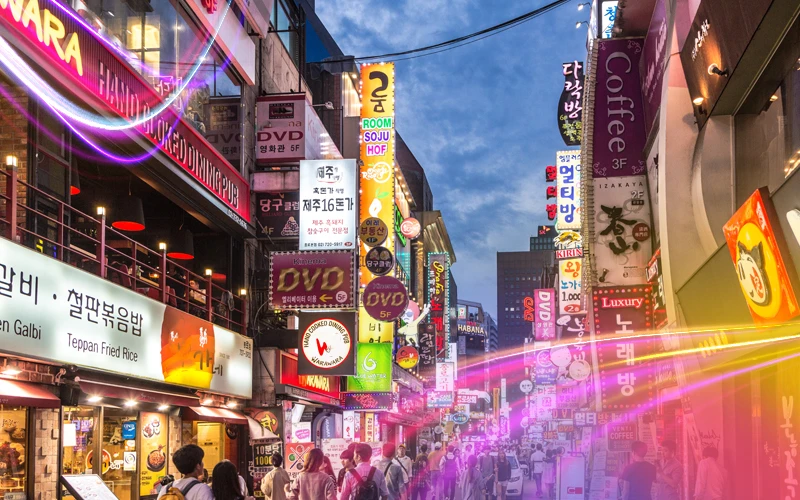
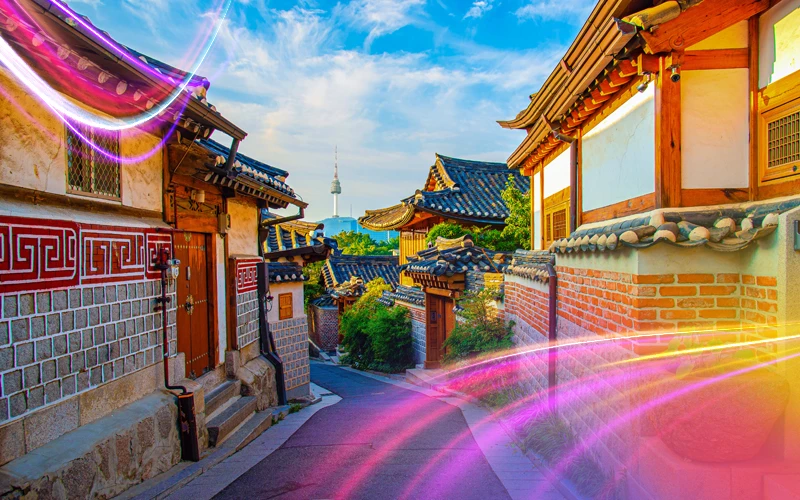
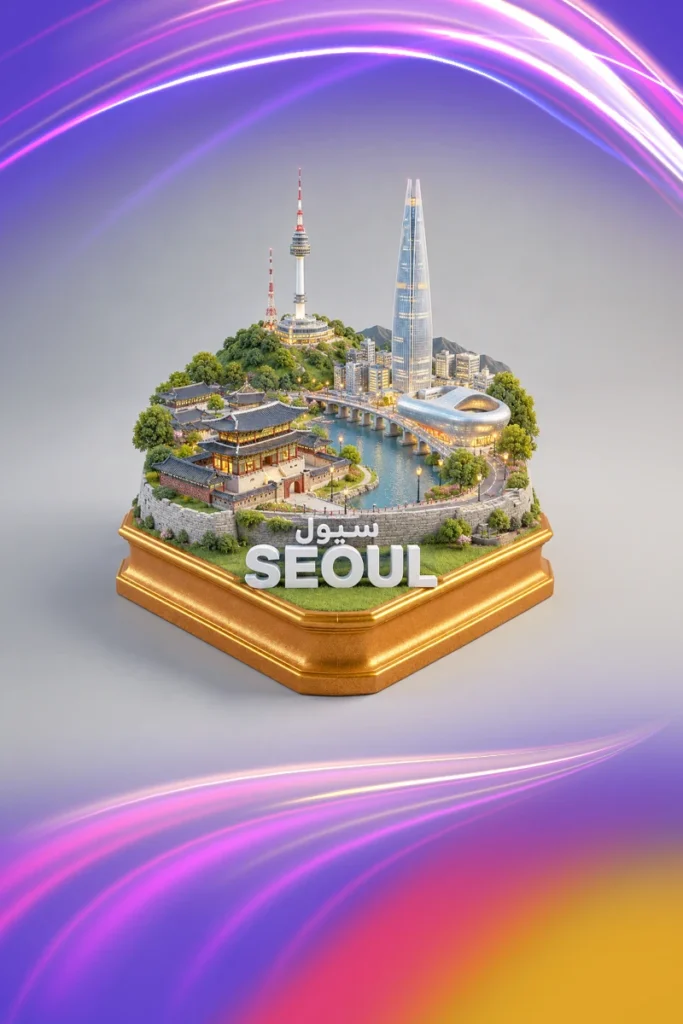
Seoul is the capital of South Korea and the most logical starting point for a first visit.
Gyeongbokgung Palace
Admission costs KRW 3,000, and the palace is closed on Tuesdays. Entry is free for visitors wearing a traditional hanbok.
The changing of the guard ceremony usually takes place at 10:00 a.m. and 2:00 p.m.
Bukchon Hanok Village and Insadong
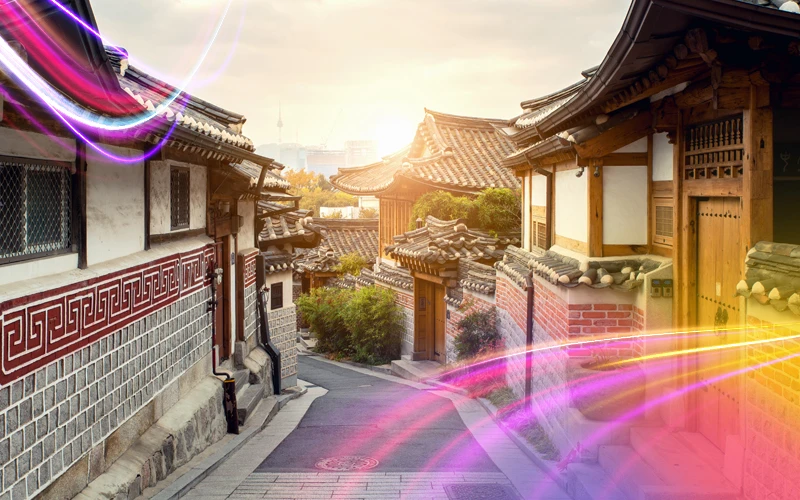
These neighboring areas are known for traditional Korean houses, tea shops, handicraft stores, and historic streets.
Bukchon is still a residential neighborhood, so visitors should keep noise levels low and respect access restrictions.
Myeongdong
Myeong-dong is one of Seoul’s main shopping areas, with Korean skincare products, cosmetics, and street food.
Hongdae
Hongdae is popular with younger visitors and is known for independent shops, cafés, music venues, and evening street performances.
N Seoul Tower
N Seoul Tower offers panoramic views across the city. The best time to visit is shortly before sunset, so you can see Seoul both during daylight and after dark.
Han River
The Han River is ideal for evening walks, cycling, picnics, and family activities. Several riverside parks offer bicycle paths, open spaces, and views of Seoul’s skyline.
For detailed information about neighborhoods, accommodation, and how to divide your days, see:
[Seoul Awaits: Everything to Know Before Visiting Korea’s Capital]
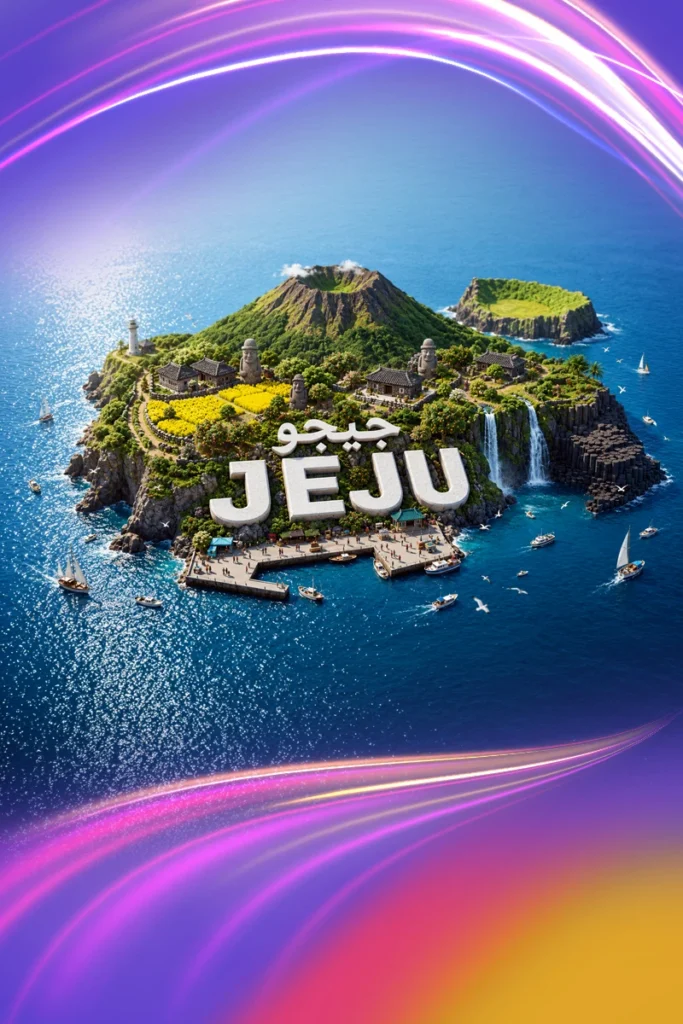
Jeju Island: South Korea’s Natural Side
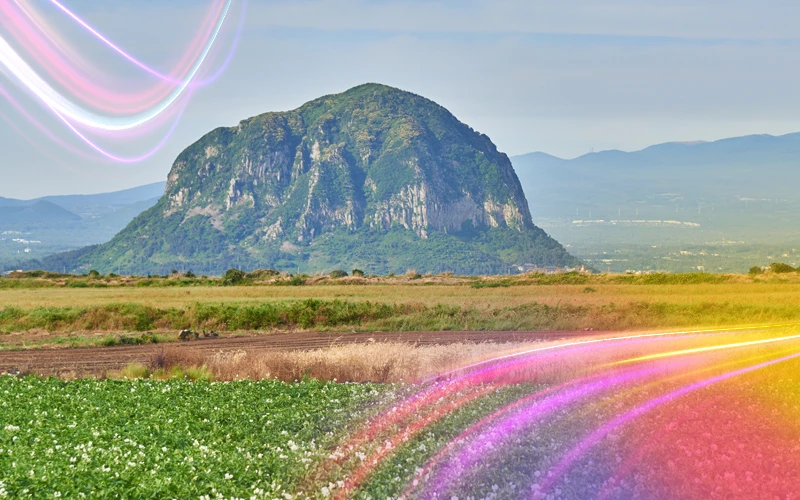
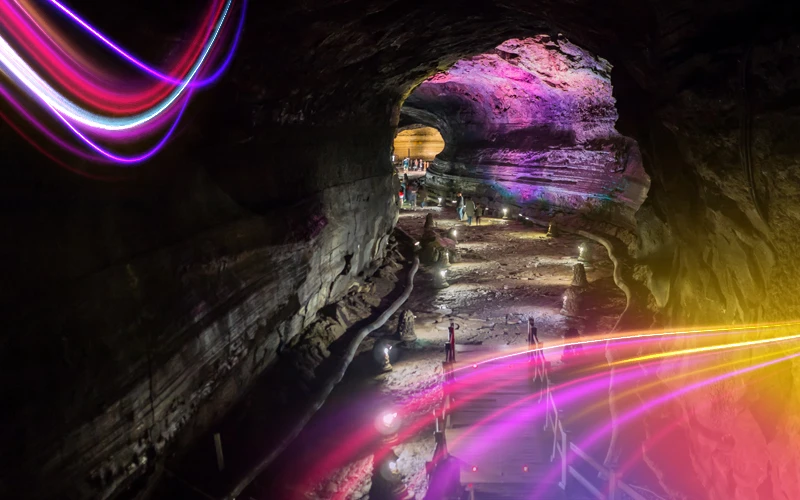
A domestic flight from Gimpo Airport to Jeju takes about 1 hour and departs frequently throughout the day.
Seongsan Ilchulbong
Seongsan Ilchulbong is a volcanic peak overlooking the sea. Admission costs approximately KRW 5,000.
The sunrise view is one of the island’s most recognizable sights, but the trail is also worth visiting later in the day.
Manjanggul Cave
Manjanggul is a volcanic lava tube with an admission fee of approximately KRW 4,000.
Access conditions and opening status should be confirmed before visiting.
Hallasan Mountain
Hallasan’s hiking trails are free to access. However, reaching the summit via certain routes requires advance reservations.
Weather conditions can change quickly, so hikers should carry suitable clothing, water, and basic supplies.
Beaches and Tea Fields
Hyeopjae Beach and Hamdeok Beach are among Jeju’s best-known coastal destinations.
Visitors can also explore the green tea fields around Osulloc, which offer cafés, walking areas, and tea-related products.
Renting a car is generally more convenient than relying on buses because Jeju’s attractions are spread across the island.
Suggested itineraries and accommodation areas are covered in:
[Jeju Island: South Korea’s Natural Jewel]
Korean Cuisine and Halal Food Options
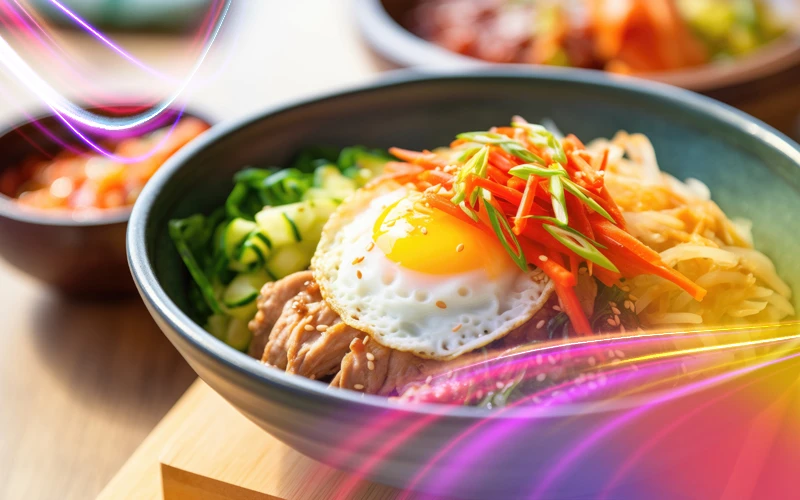
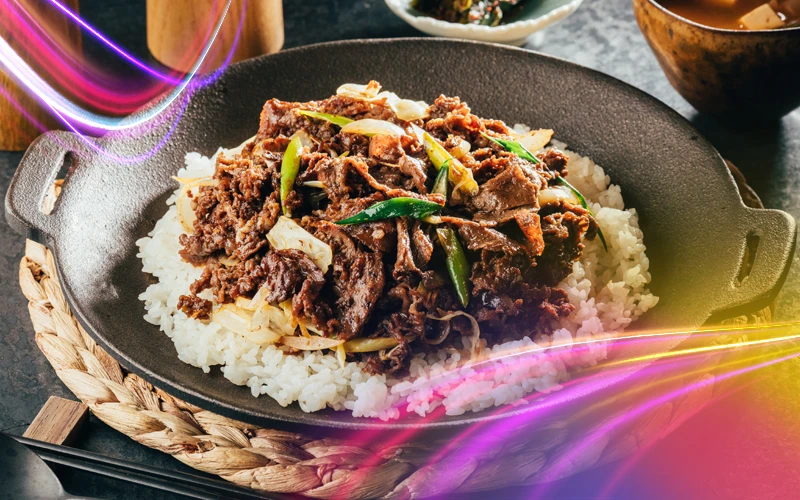
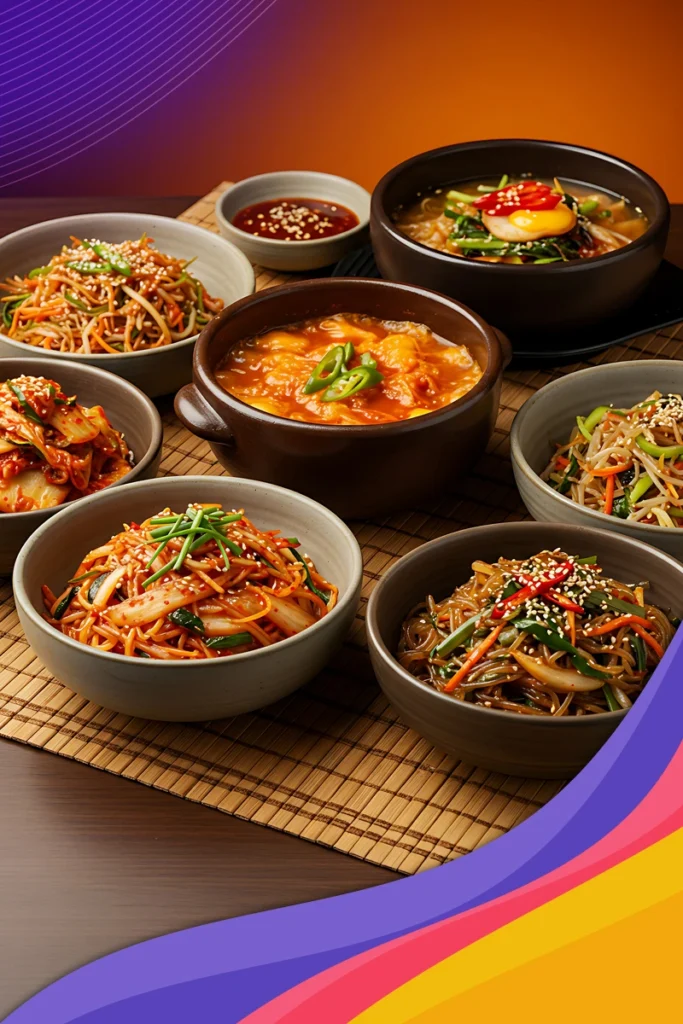
Popular Korean dishes include:
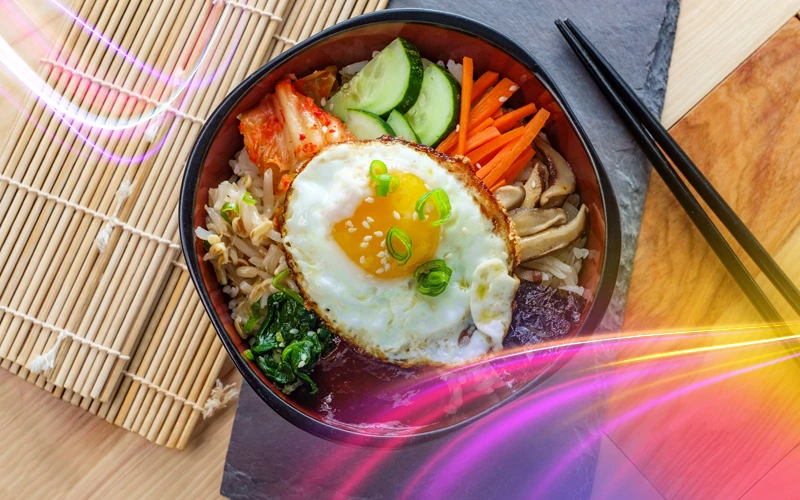
- Bibimbap.
- Bulgogi.
- Tteokbokki.
- Samgyetang.
- Different varieties of kimchi.
The area surrounding Seoul Central Mosque in Itaewon has the country’s largest concentration of halal restaurants.
The Korea Tourism Organization classifies Muslim-friendly restaurants into four categories, ranging from Halal Certified establishments to restaurants that do not serve pork.
Prayer rooms are available at both terminals of Incheon International Airport, as well as at COEX, Lotte World, and Nami Island.
Always check ingredient labels on packaged foods, as some products may contain alcohol, pork derivatives, or other non-halal ingredients.
For more information about Korean dishes and where to try them, read:
[Korean Cuisine: From Kimchi to Traditional Korean BBQ]
What Does South Korea Offer Beyond Seoul and Jeju?
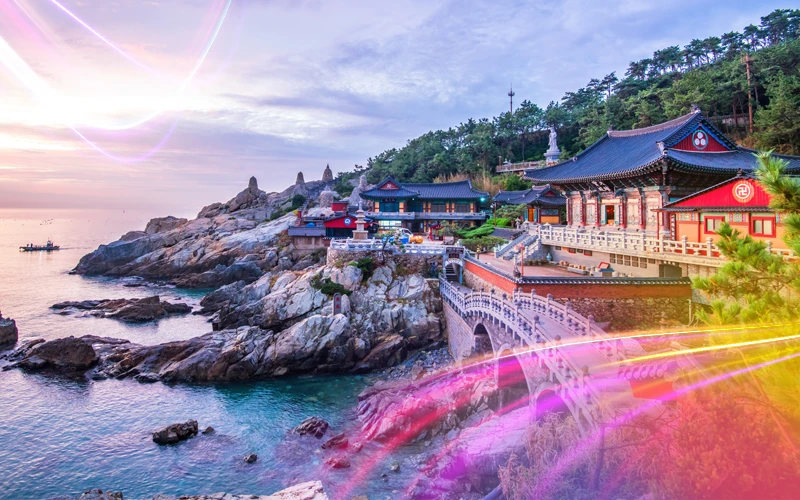
Busan
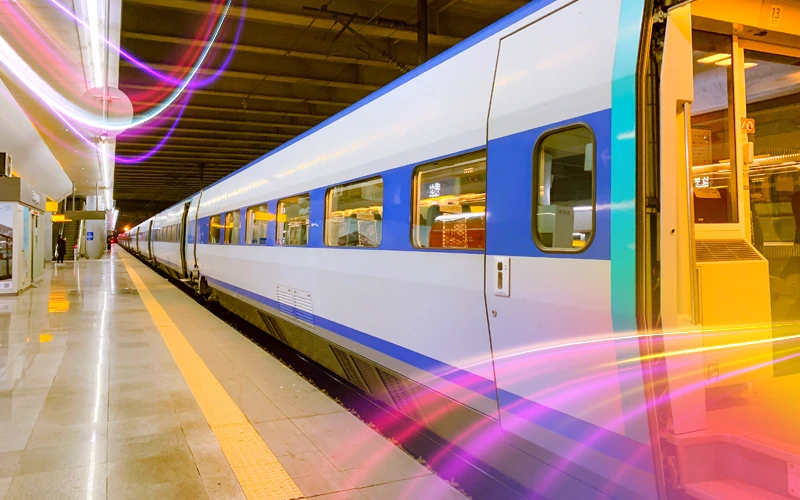
The KTX journey from Seoul to Busan takes approximately two hours and 15 minutes. A standard ticket costs around KRW 59,800.
Major attractions include:
- Haeundae Beach.
- Gamcheon Culture Village.
- Jagalchi Fish Market.
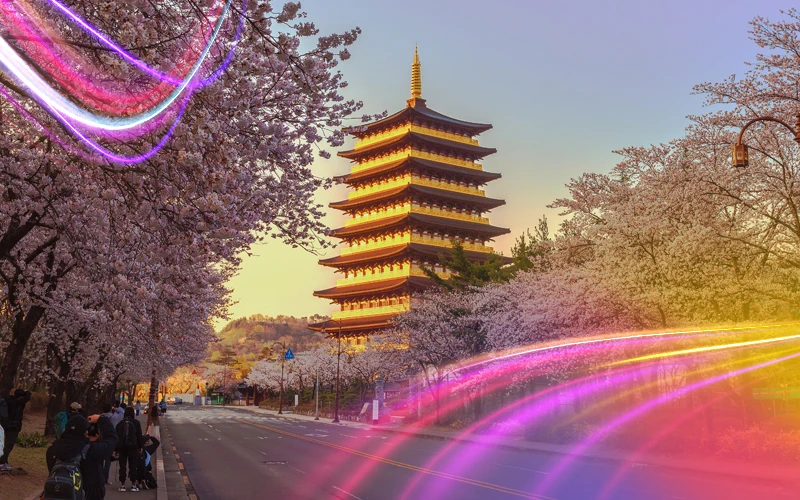
Gyeongju
Gyeongju was the capital of the ancient Silla Kingdom. The city is known for its royal tombs, temples, historic observatory, and UNESCO-listed sites.
Nami Island and Gapyeong
Nami Island is famous for its tree-lined paths and seasonal scenery. It can be combined with nearby attractions in Gapyeong for a day trip from Seoul.
Sokcho and Seoraksan Mountain
Sokcho is the main gateway to Seoraksan National Park, one of South Korea’s best hiking areas.
The mountain is especially popular during autumn, when the forests change color.
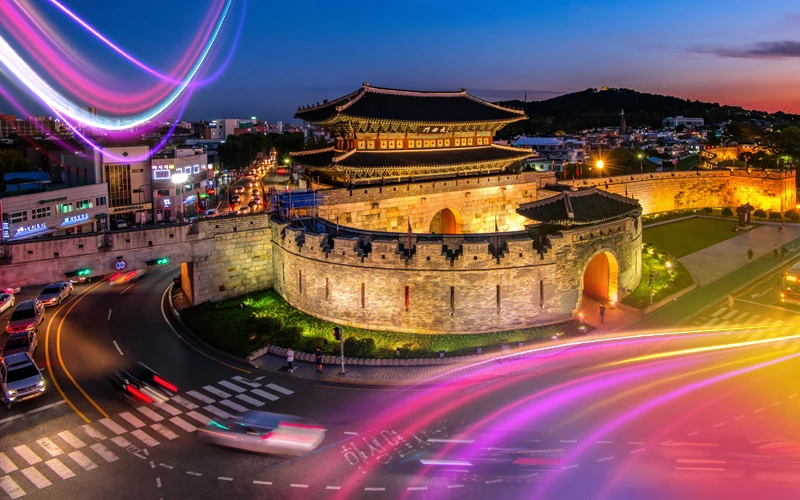
Suwon
Suwon, located less than an hour from Seoul, is home to the historic Hwaseong Fortress.
Gangneung
Gangneung is known for its beaches and seaside cafés along South Korea’s east coast.
To organize your trip in one place, use almatar to compare flights to Seoul. Mixfly lets you combine flights from two different airlines into a single itinerary, while the Golden Guarantee offers additional flexibility if your plans change and you need to modify or cancel your booking.
Transportation in South Korea, Step by Step
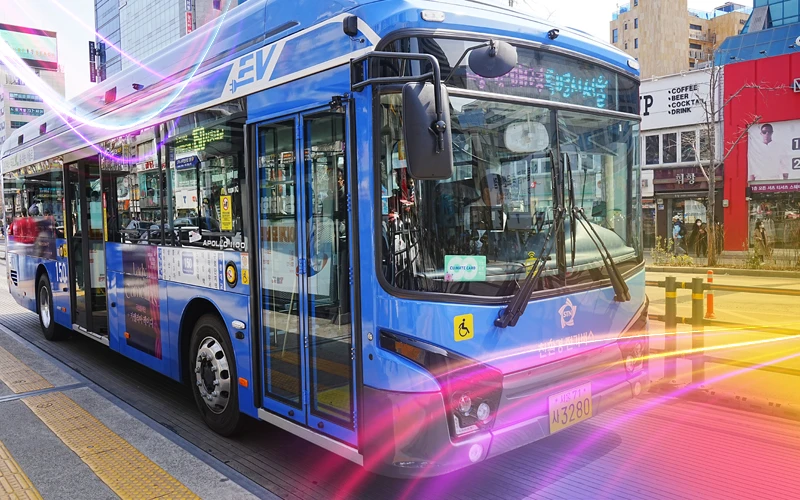
From Incheon Airport to Seoul
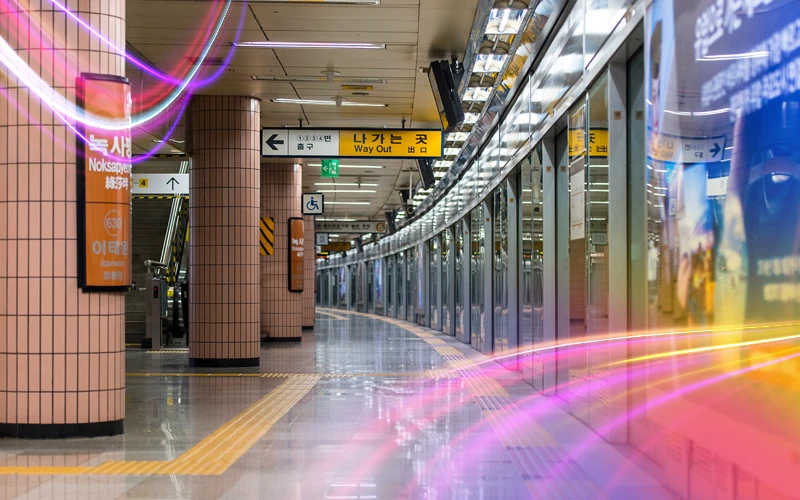
The AREX Express Train reaches Seoul Station in approximately 43 minutes.
Tickets cost around KRW 11,000 to 13,000, depending on where and how they are purchased.
Seoul Metro
The basic Seoul Metro fare is approximately KRW 1,550 when using a T-money card. The final fare increases according to the distance traveled.
Metro signs, ticket machines, and station announcements are generally available in English.
Airport Limousine Bus
Airport limousine buses are convenient for travelers staying far from Seoul Station or carrying heavy luggage.
Fares start at approximately KRW 16,000, and the journey usually takes 60-90 minutes, depending on traffic and the destination.
Airport Taxis
A taxi from Incheon Airport to central Seoul generally costs between KRW 70,000 and 100,000.
Taxis can be practical for families, groups, or travelers arriving late at night.
KTX and SRT Trains
KTX and SRT high-speed trains connect Seoul with cities such as Busan, Gyeongju, and Daegu.
Tickets can be booked online. SRT tickets are usually slightly cheaper than KTX tickets for comparable routes.
Taxis Within Cities
Kakao T is one of the easiest applications for booking taxis.
Nighttime surcharges apply after 10:00 p.m., so fares may be higher during late-night journeys.
Navigation Applications
Use Naver Map or KakaoMap for directions. Google Maps has limited navigation functionality within South Korea.
Mobile Internet
Activating an eSIM before departure can save time and help you avoid airport queues.
Best Time to Travel to Korea

Spring: Late March to May
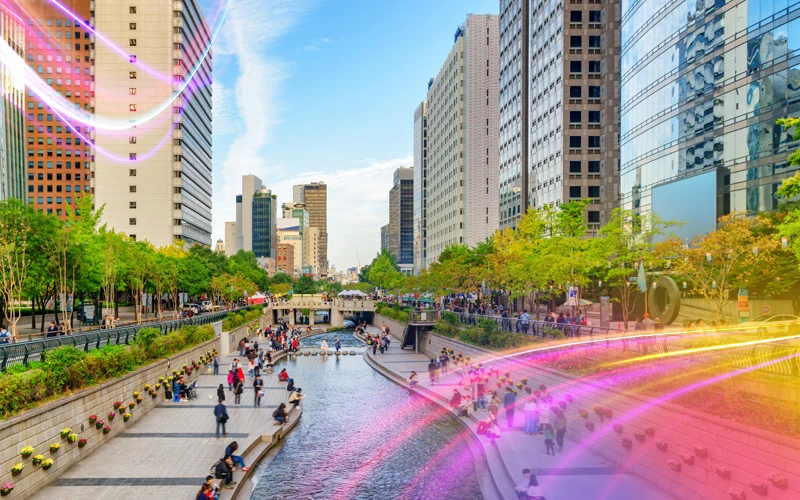
Spring brings cherry blossoms and mild temperatures.
It is also one of the busiest and most expensive travel periods, especially during the main blossom weeks.
Summer: June to August
Summer is hot and humid, overlapping with the rainy season.
Flight prices may be lower, but outdoor activities can be affected by heavy rain and high temperatures.
Autumn: September to November
Autumn offers clear skies, comfortable temperatures, and colorful forests.
Many travelers consider it the best season for photography, hiking, and city walks.
Winter: December to February
Winter brings snow, ski resorts, seasonal lighting, and winter activities in central Seoul.
Temperatures can fall below freezing, especially at night.
Try to avoid peak travel during the Seollal and Chuseok holidays when possible. Transportation becomes crowded, and some restaurants, stores, and attractions may close.
Seven-Day South Korea Itinerary
Day 1: Arrival and Myeongdong
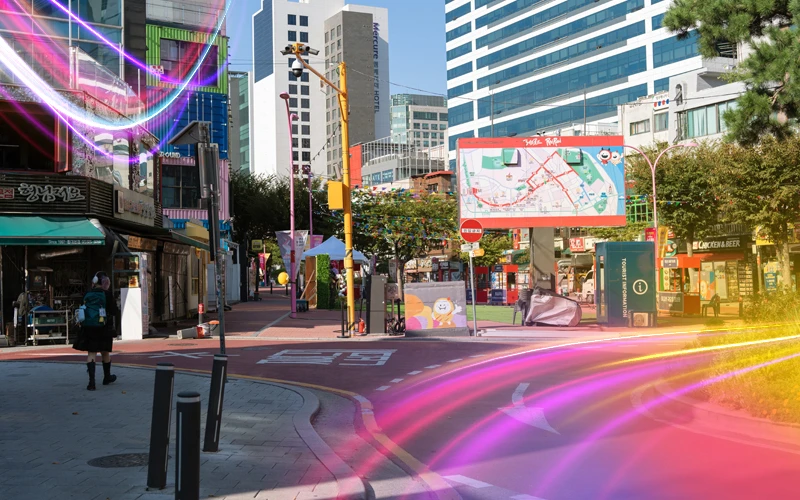
Arrive, check in to your hotel, and take a relaxed evening walk around Myeongdong.
Day 2: Historic Seoul
Visit Gyeongbokgung Palace, Bukchon Hanok Village, and Insadong. End the day at N Seoul Tower.
Day 3: Hongdae and the Han River
Explore Hongdae during the day and visit the Han River in the evening.
Travelers mainly interested in shopping can visit Dongdaemun instead.
Day 4: Nami Island and Gapyeong
Take a day trip to Nami Island and nearby attractions in the Gapyeong area.
Day 5: Travel to Busan
Take the KTX train to Busan and spend the afternoon at Haeundae Beach.
Day 6: Explore Busan
Visit Gamcheon Culture Village and Jagalchi Fish Market.
Return to Seoul in the evening or stay for a second night in Busan.
Day 7: Jeju or Final Shopping Day
Take a domestic flight to Jeju if your schedule allows, or spend your final day shopping and exploring more of Seoul.
For a smoother arrival, book airport transportation in advance so that your driver is waiting when you leave the terminal. You can also divide the booking cost into interest-free installments through Tabby.
Common First-Time Visitor Mistakes

Planning Palace Visits for Tuesday
Several major palaces are closed on Tuesdays, so check the opening schedule before planning your historic Seoul itinerary.
Depending Only on Google Maps
Google Maps does not provide the same level of navigation support as local applications. Use Naver Map or KakaoMap instead.
Booking the Busan Train at the Last Minute
KTX trains can sell out during weekends, holidays, and peak seasons. Reserve your ticket in advance whenever possible.
Ignoring the Electronic Arrival Card
Do not wait until landing to think about the e-Arrival Card. Complete it within the permitted submission period and save a digital copy of the confirmation.
Choosing a Hotel Far From a Metro Station
A lower hotel price may not be worthwhile if you spend a significant part of each day walking to public transportation.
Choose accommodation within a reasonable walking distance of a metro station.
Quick Tips Before Departure
- South Korea uses 220-volt electricity and round European-style plugs, so bring a suitable adapter.
- Tipping is not customary and is generally not expected in restaurants or taxis.
- Remove your shoes when entering traditional homes and certain restaurants with floor seating.
- The 1330 Korea Travel Helpline provides assistance in several languages throughout the day.
- Keep digital copies of your arrival card confirmation and accommodation bookings.
Conclusion
South Korea is not a country that looks the same on every visit, as each season offers a different experience. Choose your travel period first, then secure flights and accommodation well before peak dates.
Explore South Korea tourism options through the almatar app and compare available flights to Seoul.
FAQs About Travel to Korea
Do Saudi travelers need a South Korea visa?
Saudi citizens do not need a visa for tourist visits of up to 30 days. However, travelers must complete the electronic arrival card unless they qualify for an exemption.
What is the currency of South Korea, and do I need cash?
The currency is the South Korean won. Bank cards are widely accepted, but a small amount of cash is useful for markets, street stalls, and smaller shops.
How many days are enough for a South Korea itinerary?
Seven days are enough to explore Seoul and one additional city. A 10-day itinerary allows you to add Jeju Island without rushing.
What is the best month to visit Seoul?
April and October generally offer a good balance of comfortable weather and beautiful scenery. Both months are popular, so early booking is recommended.
Is South Korea tourism suitable for families?
Yes. South Korea has organized public transportation, family-friendly attractions, a generally safe environment, and a growing number of halal restaurants and prayer facilities in major cities.
Additional Articles to Read:
You might also like
-
Philippines
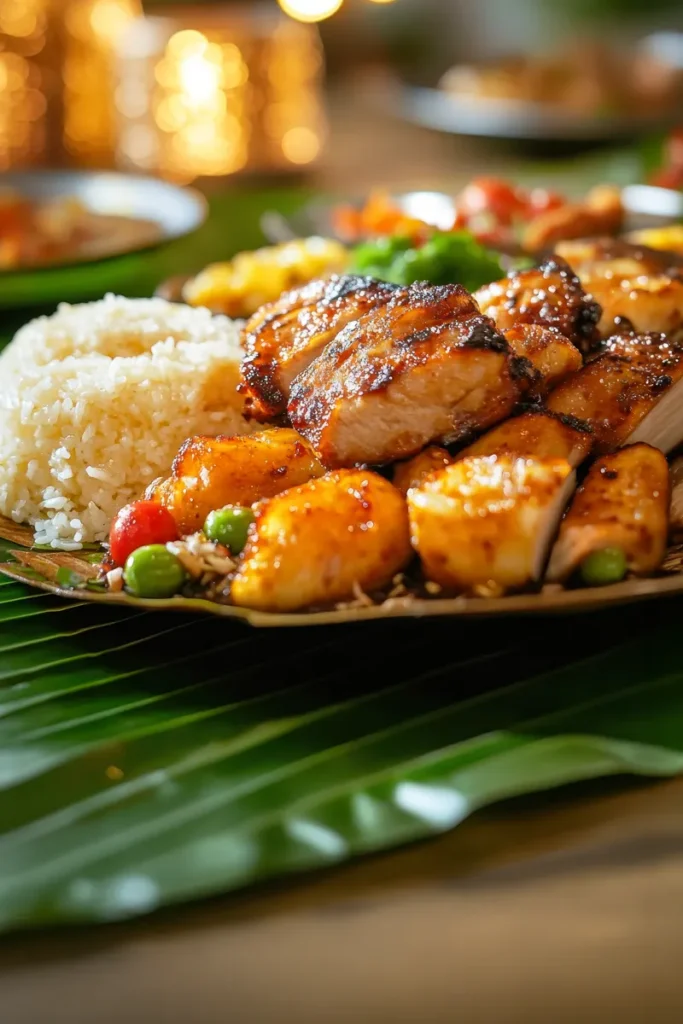
Filipino Food: A Traveler’s Guide to Local Cuisine
-
Explore Countries
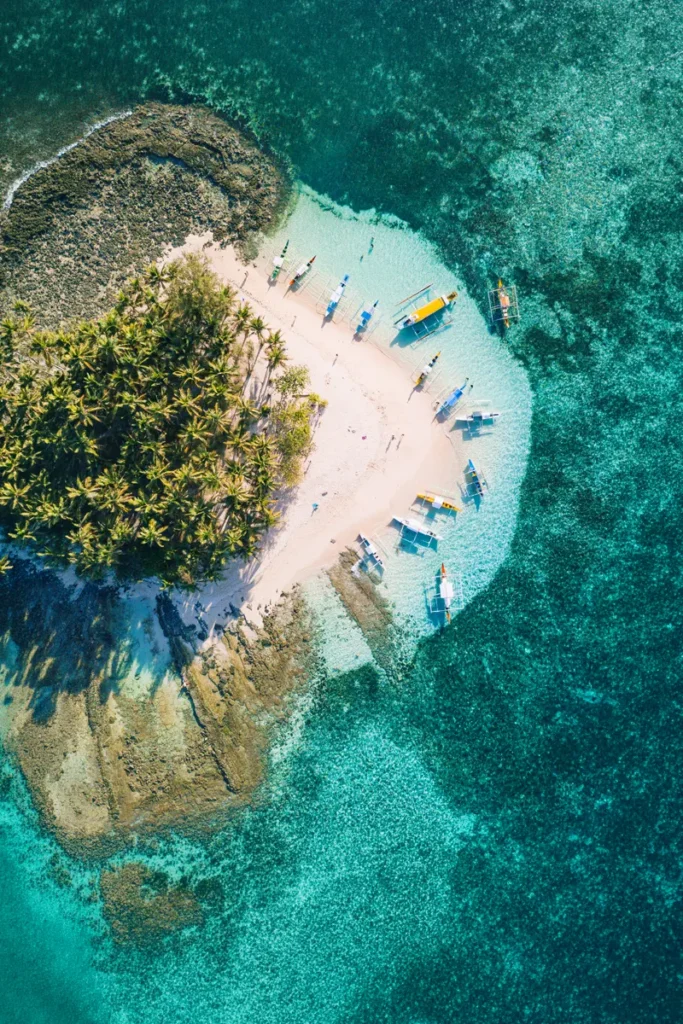
Siargao Island: Beaches, Activities & Hotels
-
Philippines
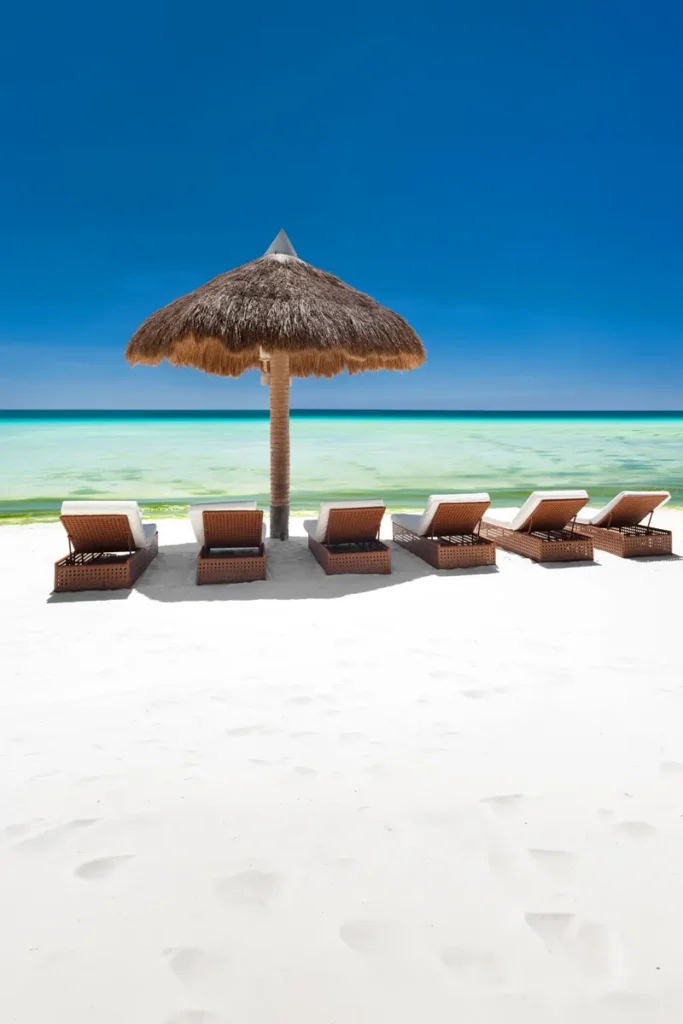
Philippine Islands: Boracay, Palawan & Cebu
-
Manila
Manila Travel Guide 2026: Visa, Attractions & Hotels
-
Philippines
Philippines Travel Guide 2026: Visa, Attractions & Tips
-

News
almatar and Cluster2 Airports Company Sign MoU to Develop Travel Solutions and Grow Umrah Passenger Traffic
-
Explore Countries
Singapore Changi Airport Guide
-
Explore Cities
Penang Travel Guide
-
Explore Cities
Langkawi Island Travel Guide