













































Tourism In Vietnam: a Complete Travel Guide in 2026
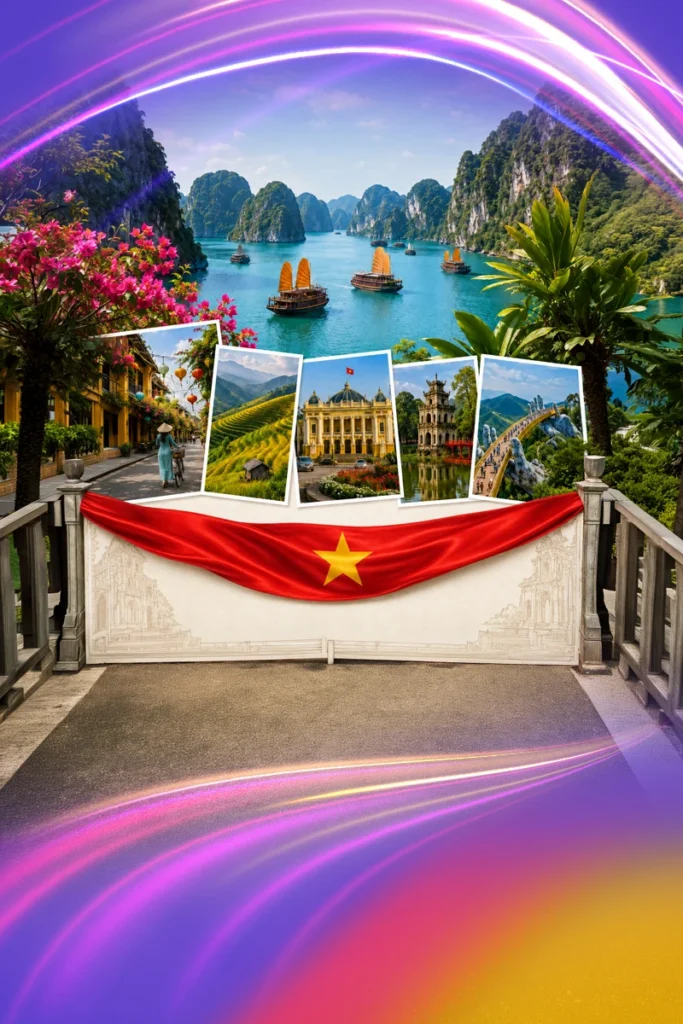
Tourism in Vietnam has recently become one of the most discussed travel topics on Saudi Instagram and TikTok accounts, from videos of wooden boats sailing through Ha Long Bay to Hoi An’s colorful lanterns at night and the green rice terraces of Sapa.
This growing popularity has transformed Vietnam from an unfamiliar destination for GCC travelers into one of the most in-demand Asian destinations in 2026. Its appeal lies in its diverse landscapes, rich history, and travel costs among the lowest in Southeast Asia.
In this guide, we cover everything Saudi travelers need to know, including the capital of Vietnam, its most important cities, Vietnam visa requirements for Saudis, the country’s airports, the best time to visit, and a realistic estimate of travel costs.
The Capital of Vietnam and Its Top Tourist Cities
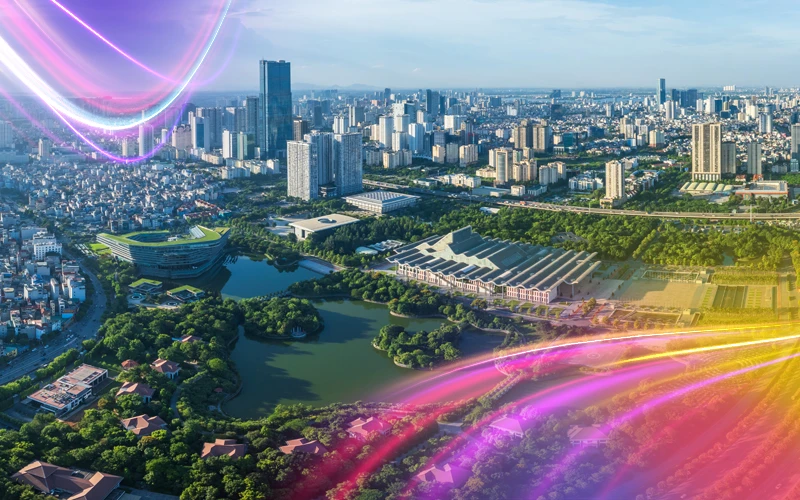

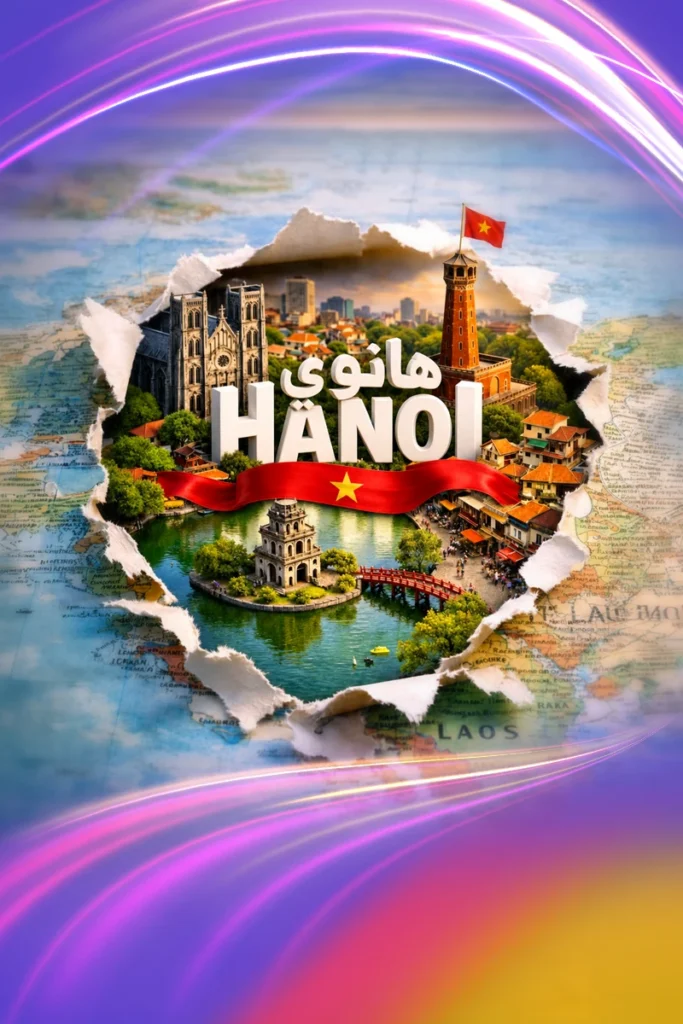
Many travelers confuse Vietnam’s capital with its largest city. Hanoi is the official capital of Vietnam. Located in the north, it is known for the central Hoan Kiem Lake, its Old Quarter with narrow markets, and its historic Buddhist temples.
Ho Chi Minh City, formerly known as Saigon, is Vietnam’s largest city in terms of population and economic activity. Located in the south, it has a more modern character, with skyscrapers and an active nightlife scene.
In practice, most Vietnam travel itineraries include both cities in one trip, either by domestic flight or by train along the railway connecting the north and south of the country.
In addition to Hanoi and Ho Chi Minh City, several other destinations deserve a place in your itinerary:
- Da Nang: A modern coastal city in central Vietnam, known for the Dragon Bridge, one of its most famous landmarks, as well as its beach resorts.
- Hoi An: Located near Da Nang, this UNESCO-listed historic town is known for its colorful lanterns and old streets.
- Hue: Vietnam’s former imperial capital, home to the historic Imperial City.
- Nha Trang: A southern coastal city known for its beaches and diving activities.
- Da Lat: Located in the southern highlands, it is famous for its mild climate, coffee farms, and flower gardens.
Best Tourist Attractions in Vietnam
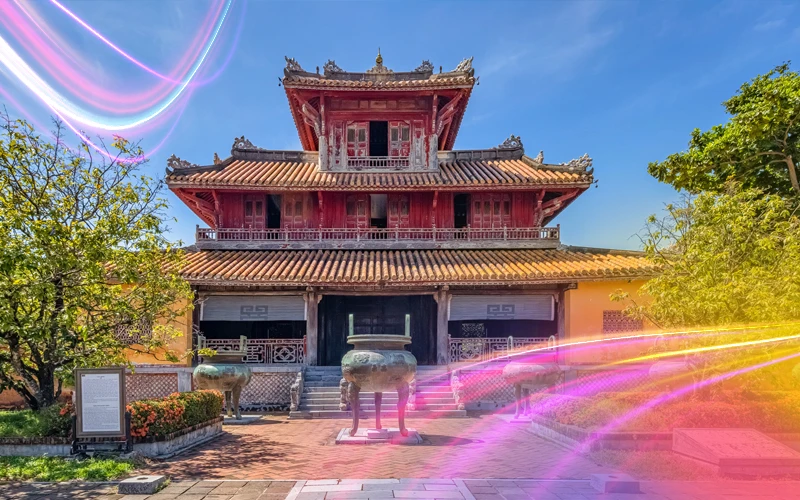
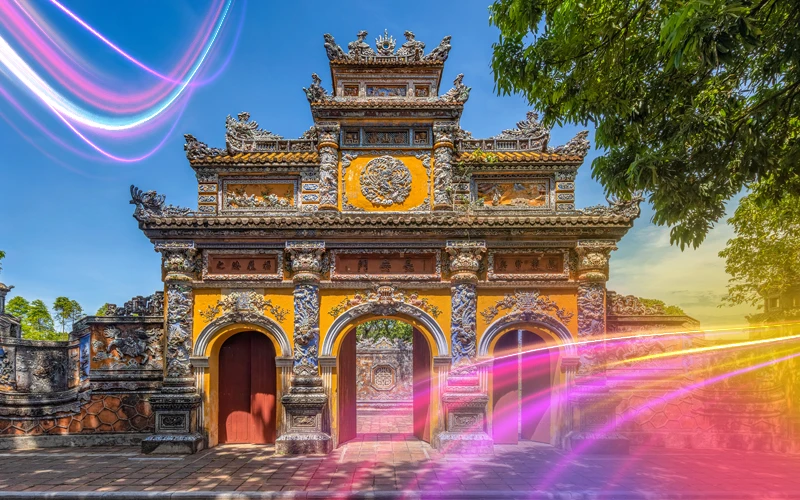
In addition to its cities, Vietnam has many specific attractions worth including in any itinerary. These range from historic and religious sites to modern landmarks that have become symbols of the country.
In Northern Vietnam
- Hoan Kiem Lake and the Old Quarter, Hanoi: The lively heart of Hanoi, where cafés and traditional markets surround a small lake featuring the historic Ngoc Son Temple.
- Ho Chi Minh Mausoleum and the Temple of Literature: A complex that includes the mausoleum of Ho Chi Minh and the French-style Presidential Palace, located near the Temple of Literature, Vietnam’s first university.
- Fansipan Peak, Sapa: The highest mountain in the Indochinese Peninsula. It can be reached by cable car, offering panoramic views of Sapa’s rice terraces and surrounding mountains.
In Central Vietnam
- Dragon Bridge and the Marble Mountains, Da Nang: The bridge releases fire and water every weekend and is located near the five Marble Mountains, known for their caves and temples carved into the rock.
- Ba Na Hills and the Golden Bridge: A mountain resort reached by a long cable-car ride. It is famous for the Golden Bridge, supported by two giant stone hands, which has become one of Vietnam’s most photographed landmarks.
- My Son Sanctuary, near Hoi An: An ancient temple complex dating back to the Cham civilization and listed as a UNESCO World Heritage Site.
- Imperial tombs along the Perfume River, Hue: Elaborate royal tombs located along the river, reflecting the grandeur of the ruling dynasty in Vietnam’s former imperial capital.
In Southern Vietnam
- Cu Chi Tunnels and the War Remnants Museum, Ho Chi Minh City: A historic underground tunnel network used during the Vietnam War, together with a museum documenting that period through rare photographs and artifacts.
- Notre Dame Cathedral and the Central Post Office: Two French colonial-style buildings in central Ho Chi Minh City, and among its most photographed landmarks.
- Po Nagar Cham Towers and the Vinpearl Cable Car, Nha Trang: Ancient stone towers dating back to the Cham civilization, alongside an overwater cable car connecting the city to Vinpearl’s resort and entertainment island.
Best Natural Destinations in Vietnam
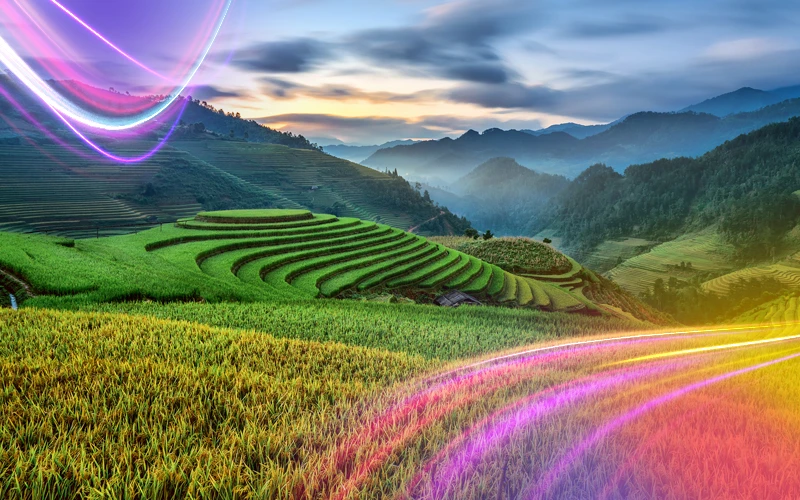

Beyond its cities, Vietnam’s real appeal lies in its exceptional natural diversity:
- Ha Long Bay: Vietnam’s most famous attraction, featuring thousands of towering limestone islands and karst formations rising from the water. Overnight cruises are among the most popular experiences for visitors.
- Sapa rice terraces: Located in the far north, these green terraces cover the mountain slopes, where local hill communities continue to live. The area is especially suitable for hiking and photography.
- Mekong Delta: Located in southern Vietnam, the region is famous for its floating markets and waterways, which reflect the traditional lifestyle of Vietnamese villages.
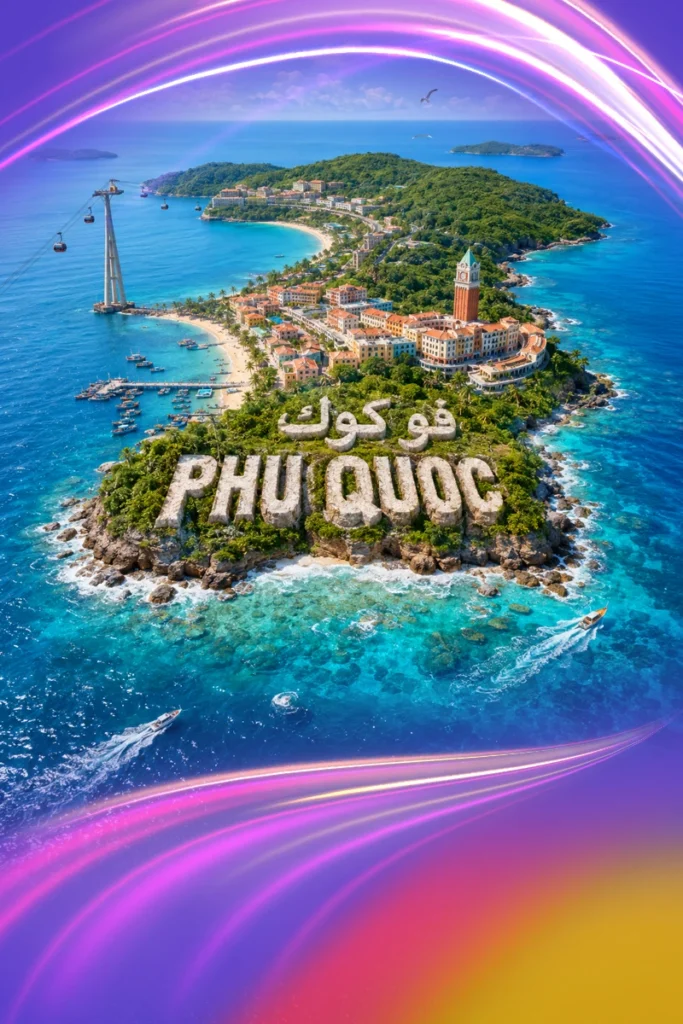
- Phu Quoc Island: Vietnam’s largest island, located in the far south. It offers white-sand beaches and relatively luxurious resorts compared with other parts of the country, making it a good option for travelers seeking a relaxing beach holiday rather than constantly moving between cities.
Vietnam Visa for Saudis: Requirements and Application Steps
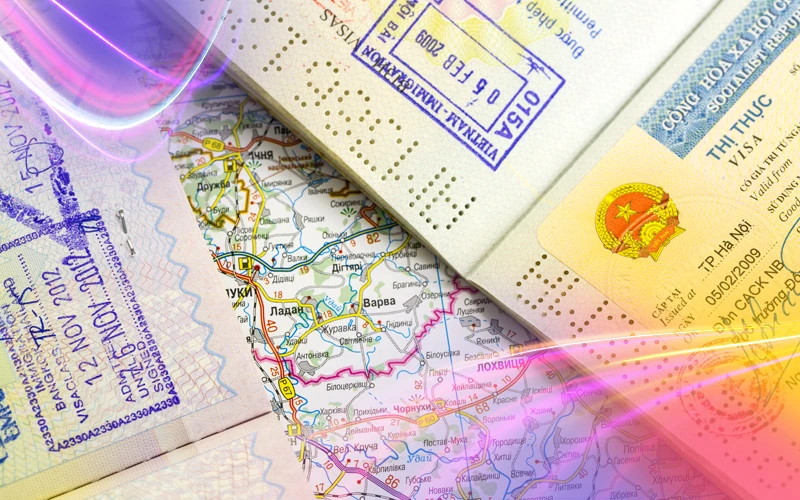
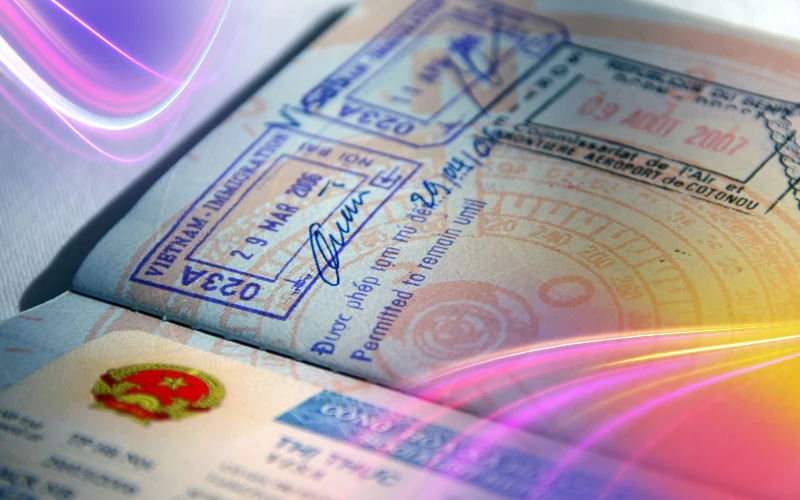
All GCC citizens, including Saudi nationals, need to obtain a visa before entering Vietnam. There is currently no visa exemption for Saudi travelers, even during long transit stays.
The good news is that obtaining a Vietnam visa for Saudis has become a simple process that can be completed entirely online, without visiting an embassy or sending in the passport.
The main option is the electronic visa (e-visa) available through the official Vietnam Immigration Department portal. Its main details include:
- Validity: Up to 90 days from the issue date.
- Entry type: Single entry for approximately $25, or multiple entry for approximately $50.
- Processing time: Usually around three working days from the application date.
- Entry points: The e-visa can be used at 42 entry points, including international airports, land crossings, and seaports.
Documents Required for the Application
- A passport valid for at least six months from the entry date, with at least one blank page.
- A recent personal photo with a white background.
- A clear image of the passport information page.
- An active email address, as the approval and visa will be sent electronically.
- It is advisable to have a hotel reservation and return flight ticket available if requested, even though they may not always be mandatory.
After submitting the application and paying the fee, the electronic approval is sent by email. It is recommended to print a copy and carry it while traveling, as well as keep a digital copy on your phone in case an immigration officer requests it at the airport.
Vietnam Airports and How to Travel from Saudi Arabia
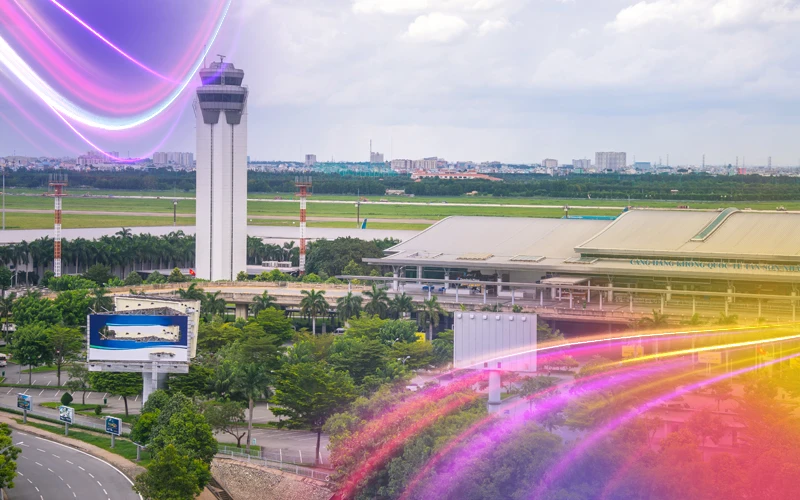
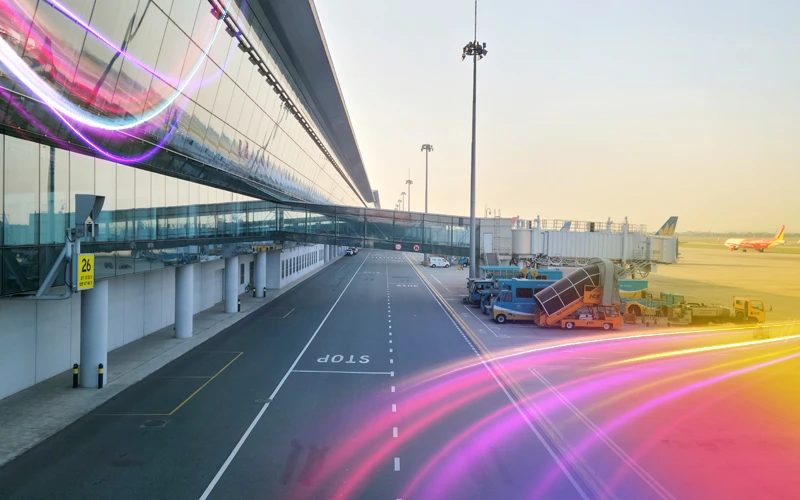
Vietnam has a good airport network connecting it with international destinations. Noi Bai International Airport (HAN) in Hanoi is one of the country’s main international airports. It includes Terminal 2, which is dedicated to international flights and opened in 2014. The airport serves major airlines such as Qatar Airways, China Airlines, and Hong Kong Airlines.
In the south, Tan Son Nhat International Airport (SGN) in Ho Chi Minh City is generally the busiest airport in Vietnam for international passenger traffic.
Vietnam also has smaller international airports in Da Nang, Cam Ranh, which serves Nha Trang, and Phu Quoc. These airports are mainly used for regional and domestic flights.
There are currently no direct flights from Saudi airports to Vietnam. Most Saudi travelers use a route with one stop, with the most common transit points including:
- Doha, with Qatar Airways operating direct flights from Doha to Hanoi and Ho Chi Minh City.
- Dubai or Abu Dhabi.
- Kuala Lumpur or Singapore for travelers who prefer an Asian route.
When comparing flights, pay attention to the total transit time, as some routes through Southeast Asia may take longer than comparable routes through GCC airports.
Best Time to Visit Vietnam
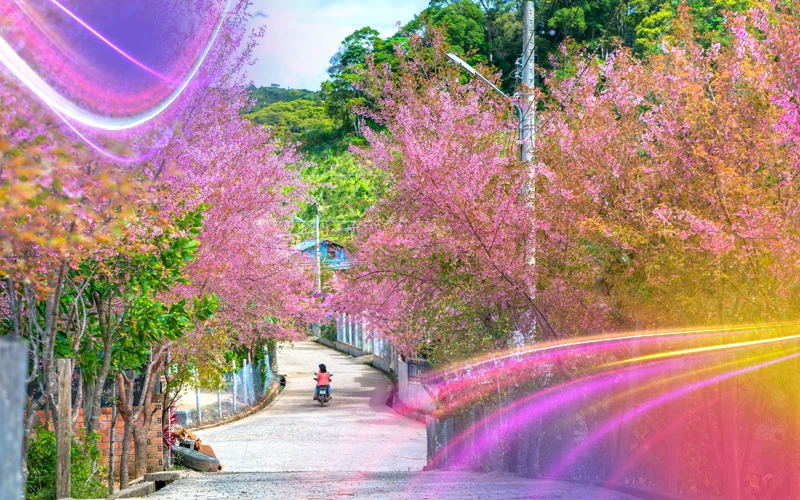

The best weather depends on the region you plan to visit, as Vietnam stretches across a considerable distance from north to south.
Northern Vietnam: Hanoi, Sapa, and Ha Long Bay
The best time to visit is from October to April, when the weather is milder and less humid.
Temperatures in Hanoi generally range from 17°C to 23°C during the cooler winter months, from November to February. They gradually rise to around 27°C to 29°C in March and April.
Mountainous Sapa is colder, and nighttime temperatures may drop to 0°C in December and January, with a chance of frost.
Summer, from May to September, is hot and humid, with frequent rainfall. Temperatures may exceed 33°C.
Central Vietnam: Hue, Da Nang, and Hoi An
The best time to visit is from February to August. Temperatures in Da Nang range from around 22°C at the beginning of the season in February to approximately 30°C at its peak in July, with generally sunny and relatively dry conditions.
The strongest rainy season runs from September to January and may coincide with seasonal typhoons.
Southern Vietnam: Ho Chi Minh City, the Mekong Delta, and Phu Quoc
Southern Vietnam has a tropical climate year-round. The best time to visit is from November to April, before the summer rainy season begins.
During the dry season, temperatures generally range from 25°C to 33°C, with lower humidity than during the rainy period from May to October.
For a trip covering northern, central, and southern Vietnam, the period from February to April offers the most balanced weather, as it overlaps with the dry season in most regions.
Cost of Tourism in Vietnam: How Much Will You Need?
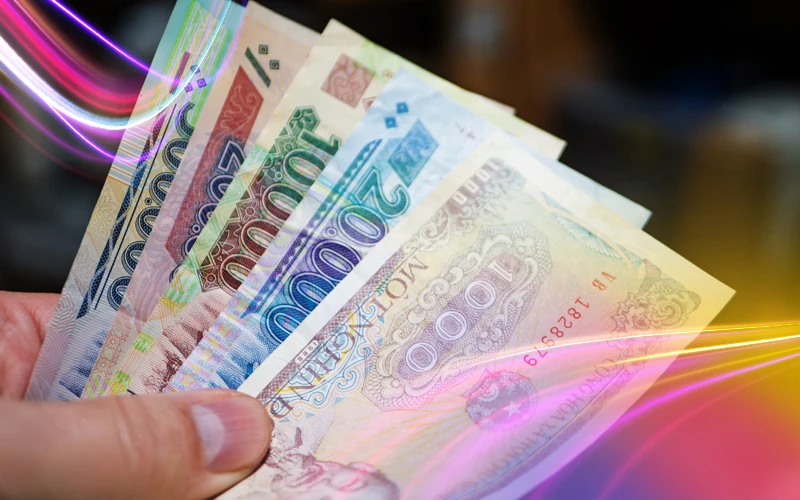
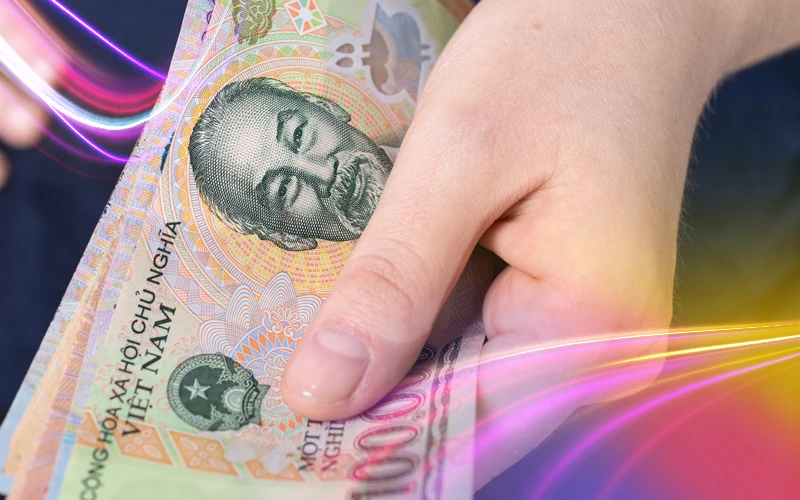
One of the main reasons tourism in Vietnam has become popular among Saudi travelers is that it is one of the most affordable Asian destinations, compared with the quality of the experience.
The official currency is the Vietnamese dong (VND). The approximate exchange rate is around VND 6,500 per SAR 1, although you should always check the current rate before traveling, as it can change.
As a general estimate:
- Accommodation: A mid-range hotel costs between SAR 165 and SAR 330 per night.
- Food: A meal at a local restaurant usually costs no more than SAR 30-45 per person.
- Total trip cost: General estimates suggest that a mid-range one-week trip from Saudi Arabia to Vietnam, including flights, accommodation, and basic transportation, starts from approximately SAR 4,500 per person. The cost increases depending on the season, hotel category, and flight route.
You can find hotels in Vietnam through the following links:
Halal Food and Cultural Etiquette in Vietnam


Vietnam is a Buddhist-majority country, not a Muslim-majority destination, but this does not mean halal food is difficult to find.
Halal restaurants are reasonably available in major tourist cities, particularly Hanoi and Ho Chi Minh City. There are also several Arab and Indian restaurants serving the local Muslim community and GCC tourists.
However, it is advisable to search for trusted restaurants before arrival, especially in smaller cities and rural areas such as Sapa or the Mekong Delta, where halal options are more limited.
Visitors should wear modest clothing when entering Buddhist temples and religious sites. Shoes should also be removed before entering most temples.
Vietnamese people are generally friendly toward international visitors. One cultural difference that may take time to get used to is the noise and traffic in major cities, particularly the high number of motorcycles on streets and in busy areas.
Practical Tips Before Traveling to Vietnam


- Domestic transportation: Domestic flights are the fastest way to travel between distant cities, such as Hanoi and Ho Chi Minh City. Trains are suitable for travelers who want to enjoy the scenery at a slower pace, particularly along the coastal route between Hue and Da Nang.
- Internet access: It is advisable to purchase a local data SIM card or eSIM as soon as you arrive at the airport. Coverage is good in tourist cities, and prices are generally affordable.
- Cash and card payments: Cash payments in Vietnamese dong remain common in traditional markets and small restaurants. Hotels and larger restaurants usually accept bank cards.
- Travel insurance: Medical emergency coverage is always recommended, especially when planning activities such as diving or mountain trips in Sapa.
Book Your Trip to Vietnam in One Step
After reviewing all the essential information about tourism in Vietnam, the next step is booking your trip.
Through the flight search feature on almatar, you can compare flight prices and schedules to Hanoi or Ho Chi Minh City across different transit routes. You can also book accommodation in one or more cities you plan to visit, all in one place, without switching between multiple apps.
FAQs About Tourism in Vietnam
What is the capital of Vietnam?
Hanoi is the official capital, while Ho Chi Minh City is the country’s largest city in terms of population and economic activity.
Do Saudi travelers need a visa to visit Vietnam?
Yes. Saudi travelers need to obtain an e-visa in advance, which can be applied for online.
What is the best time to visit Vietnam?
The period from February to April is generally the best option for visiting multiple regions in one trip, thanks to the mild weather and relatively low rainfall.
How much does a one-week trip to Vietnam cost?
A mid-range one-week trip starts from approximately SAR 4,500 per person. The final cost depends on the season, hotel category, and flight route.
Is halal food available in Vietnam?
Yes. Halal restaurants are available in major cities such as Hanoi and Ho Chi Minh City, although options are more limited in smaller cities and rural areas.
You might also like
-
Riyadh
Riyadh Airport Alternatives: Compare All Available Routes
-
Philippines
Filipino Food: A Traveler’s Guide to Local Cuisine
-
Explore Countries
Siargao Island: Beaches, Activities & Hotels
-
Philippines
Philippine Islands: Boracay, Palawan & Cebu
-
Manila
Manila Travel Guide 2026: Visa, Attractions & Hotels
-
Philippines
Philippines Travel Guide 2026: Visa, Attractions & Tips
-

News
almatar and Cluster2 Airports Company Sign MoU to Develop Travel Solutions and Grow Umrah Passenger Traffic
-

Explore Countries
Singapore Changi Airport Guide
-
Explore Cities
Penang Travel Guide