



































































Philippines Travel Guide 2026: Visa, Attractions & Tips
You arrive in the Philippines with only seven days, then discover that reaching the beach you saw in photos requires a domestic flight, a ferry, and half a day in transit. An archipelago of thousands of islands cannot be planned like a single city, so choosing the right route matters. This guide covers the essentials of Philippines tourism before you book, including entry rules, the best time to visit, top destinations, and how to travel between them.
Essential Facts About the Philippines Before Booking
Before getting into the details, here is a quick overview every traveler should know about the Philippines:
- Location: Southeast Asia, in the western Pacific Ocean.
- Number of islands: 7,641 islands, according to the official count by the National Mapping and Resource Information Authority (NAMRIA). They are divided into three main groups: Luzon in the north, the Visayas in the center, and Mindanao in the south.
- Currency: Philippine peso (PHP).
- Time difference: The Philippines is five hours ahead of Saudi Arabia.
- Climate: Tropical, with a dry season and a rainy season.
Philippines Capital and Major Cities
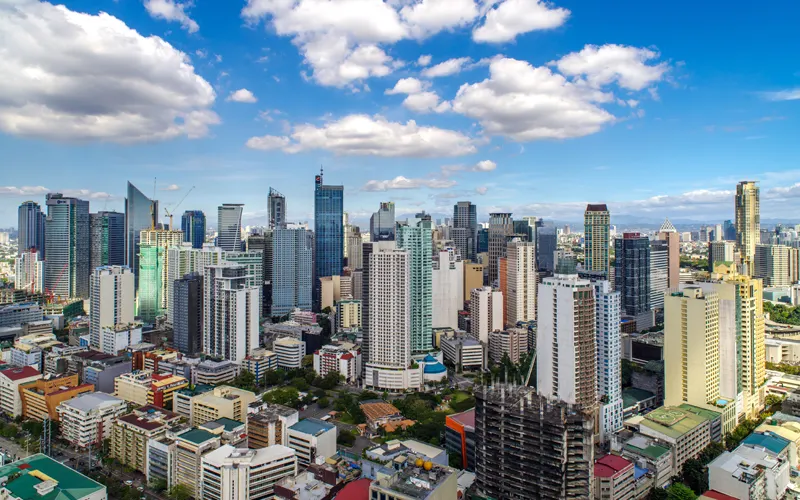
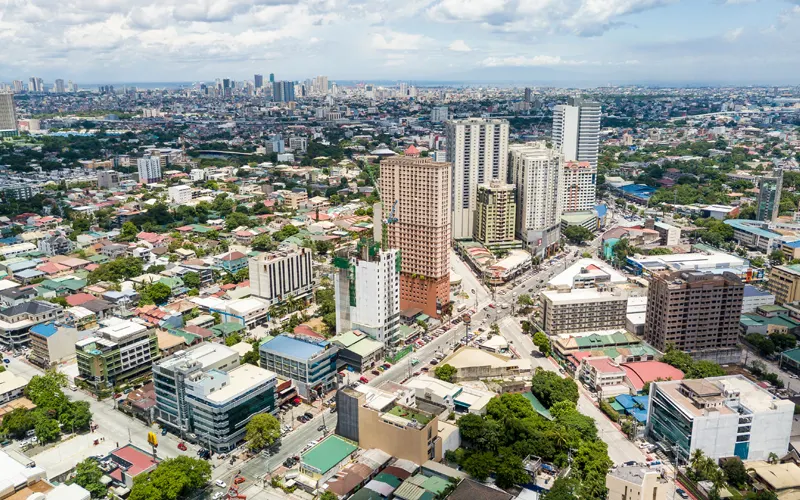
The Philippines capital is Manila, located on the island of Luzon along Manila Bay. In practice, Metro Manila is a region comprising several adjoining cities, including Quezon City, the country’s most populous city, and Makati, its financial and commercial center. This means that choosing the right neighborhood within the Philippines capital can significantly shape your experience. For more details, see [Manila and Beyond: Intramuros, Bohol, Davao & Baguio].
Languages in the Philippines and Why They Make Travel Easier
The Philippines has two official languages: Filipino, which is based on Tagalog, and English. This is one of the destination’s greatest advantages for Gulf travelers, as English is widely used on signs and at airports, hotels, restaurants, and even small markets. In most everyday situations, you will not need a translator or a translation app. In addition to the two official languages, the country recognizes 19 regional languages, while the constitution designates Spanish and Arabic as optional languages.
Philippines Population: How Many People Live in the Country?
The official Philippines population is 112,729,484, according to the 2024 Census of Population published by the Philippine Statistics Authority. For travelers, the Philippines population figure matters in two practical ways: traffic can be extremely heavy across Metro Manila, and popular islands should be booked early during peak seasons.
Travel Requirements from Saudi to the Philippines
The travel requirements from Saudi to the Philippines are among the most common concerns for Gulf travelers, and the good news is that they are straightforward:
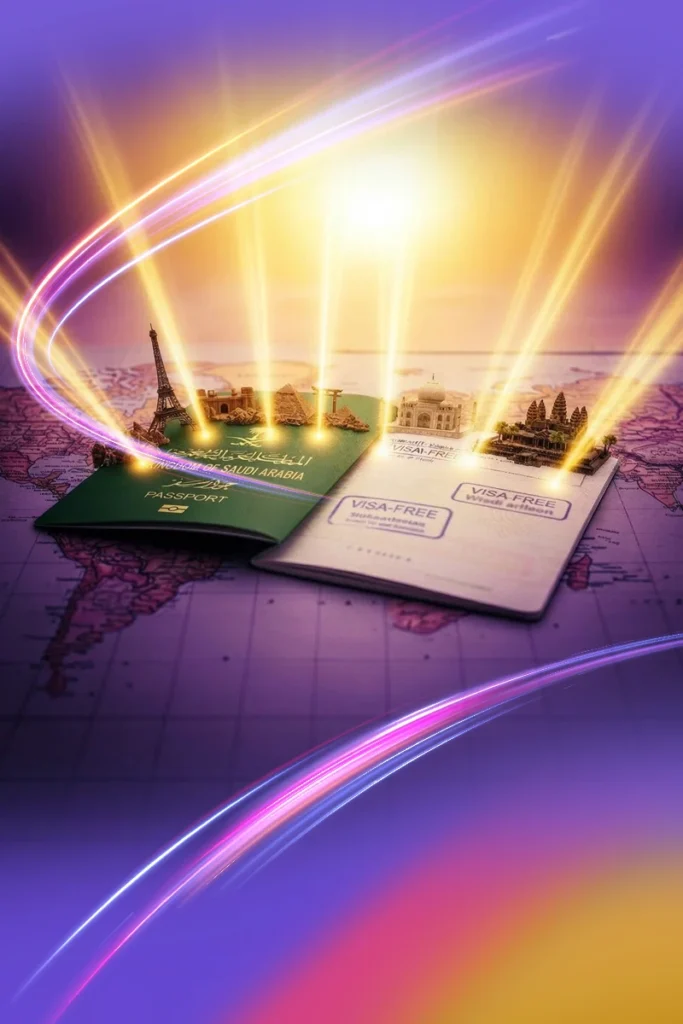
- Citizens of Saudi Arabia, the UAE, Kuwait, Qatar, Bahrain, and Oman are included on the Philippine Department of Foreign Affairs’ list of visa-exempt nationals. They may enter the country without a visa for tourism stays of up to 30 days.
- The two main conditions are a passport valid for at least six months beyond the planned stay and a return ticket or an onward ticket to another destination.
- Stays longer than 30 days or visits for purposes other than tourism require a visa obtained in advance from a Philippine diplomatic mission.
There is also a mandatory step that many travelers overlook: eTravel registration. All arriving and departing passengers must complete the online form through the official eTravel website within 72 hours before their journey, then save the QR code to present at check-in and passport control. Registration is completely free, so avoid any website that asks you to pay for it. For more destinations that do not require a visa in advance, read the almatar guide to visa-free countries for Saudi passport holders.
Best Time to Visit the Philippines
The country’s climate follows two main seasonal patterns:
- Dry season (Amihan): Roughly from November to May, making it the better period for beaches and islands.
- Rainy season (Habagat): From June to October, with heavy rainfall and peak tropical cyclone activity between July and October.
In practical terms:
- December to February: The best period overall for pleasant temperatures and calmer seas, but also the busiest and most expensive, especially around New Year.
- March to May: Dry but hot, and suitable for island trips if you can handle the humidity.
- June to October: Cheaper and less crowded, provided you leave one or two spare days in your itinerary in case domestic flights or ferry schedules change.
How to Get to the Philippines from Saudi Arabia and the Gulf
- Direct flights from Riyadh and Jeddah to Manila are available with Saudia and take around 10-11 hours.
- Philippine Airlines operates direct flights from Riyadh and Dammam to Manila, while low-cost Philippine carriers also serve the Riyadh route.
- The main arrival gateway is Ninoy Aquino International Airport (MNL) in Manila, which operates several terminals. In 2026, several airlines were reassigned between Terminals 1 and 3, with plans to open an additional terminal. Check directly with your airline at your terminal the day before departure.
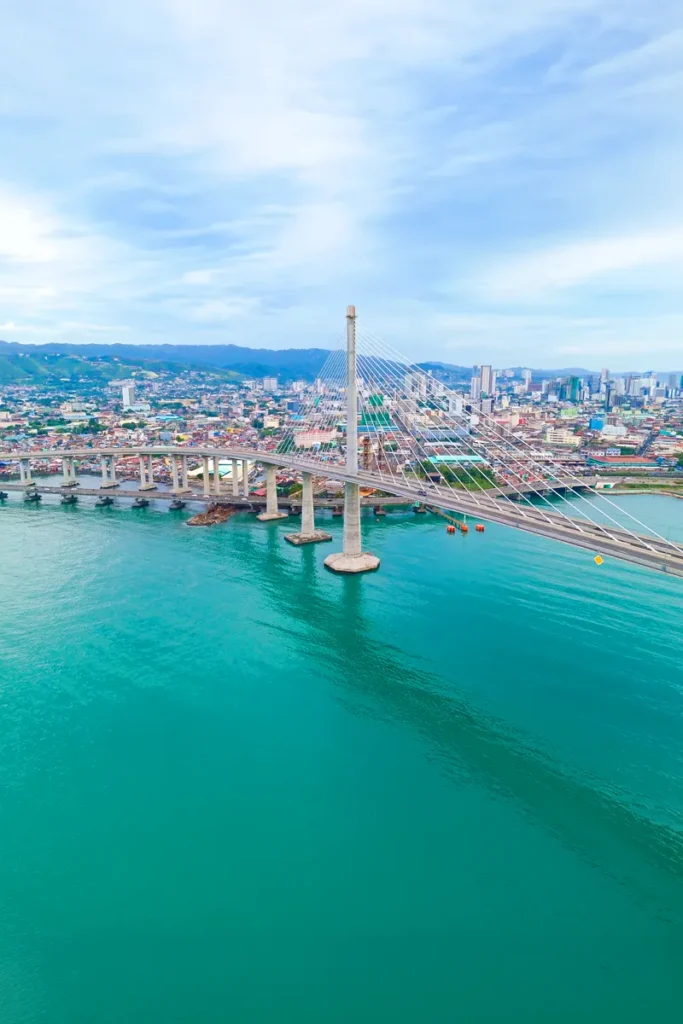
- Mactan-Cebu International Airport (CEB) is an excellent alternative if your trip focuses on the Visayas and its islands.
You can compare routes and fares through almatar’s flight search. If you are traveling during the rainy season and want more flexibility if your plans change, you can also add the Golden Guarantee to an eligible booking.
Top Philippines Tourism Destinations
Philippines tourism combines beaches, islands, and historic cities in one country. These are the main places to consider when planning your route:
Manila: Your Main Arrival Point
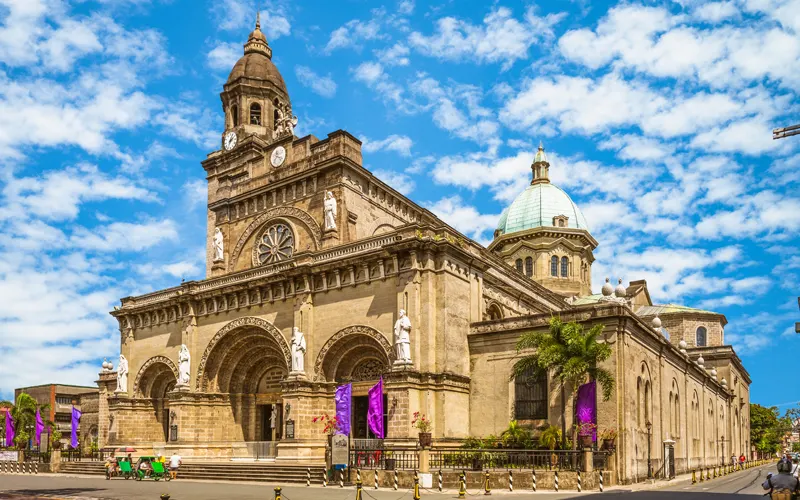
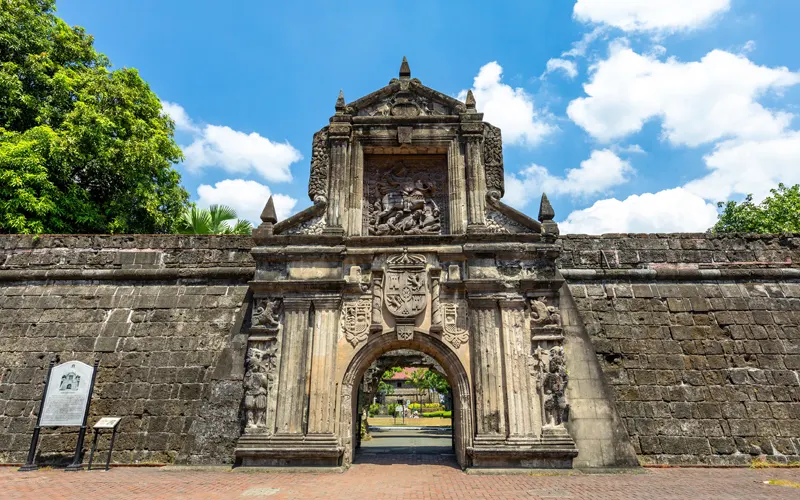
Manila is where you will most likely land, and it is worth spending two days there before heading to the islands. Highlights include the historic walled district of Intramuros, Fort Santiago, the city’s museums, and its large shopping malls. You can find more information about the airport, weather, and local transport in [Manila and Beyond: Intramuros, Bohol, Davao & Baguio].
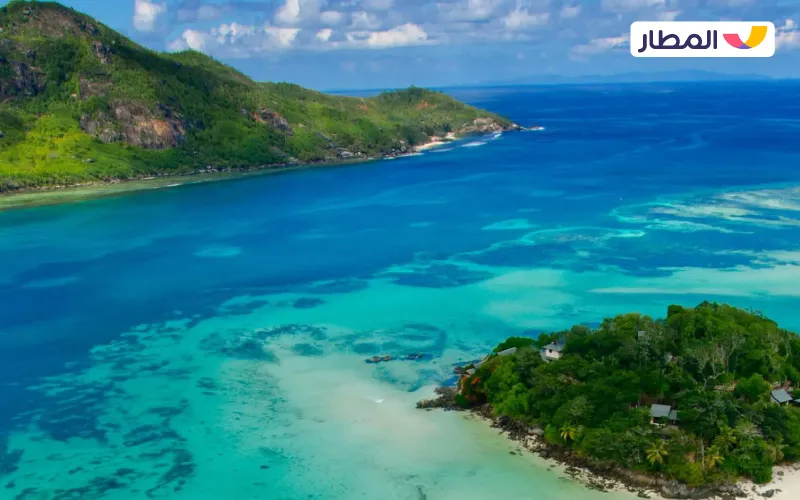
Best Islands in Philippines: Boracay, Palawan, and Cebu
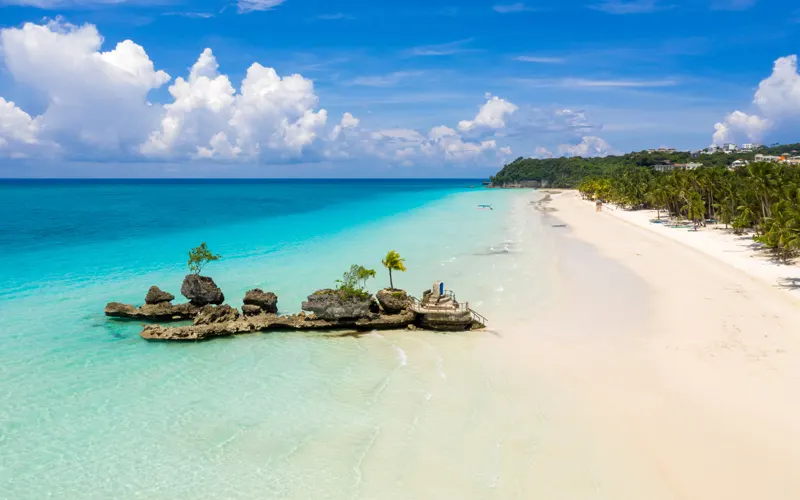
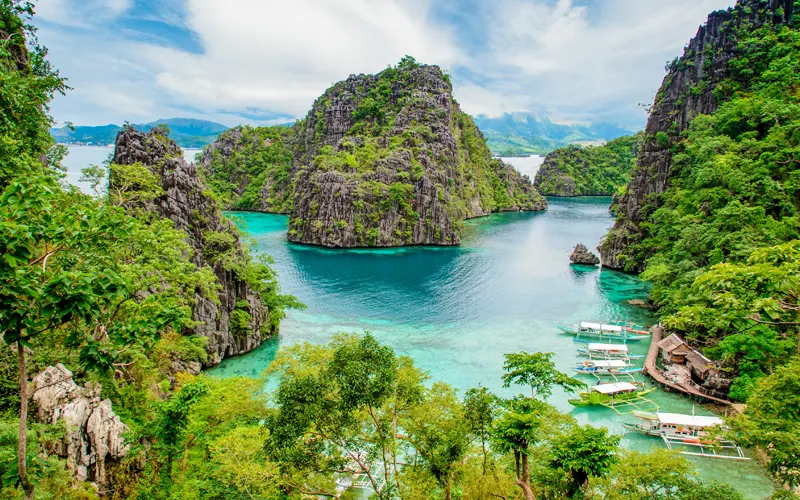
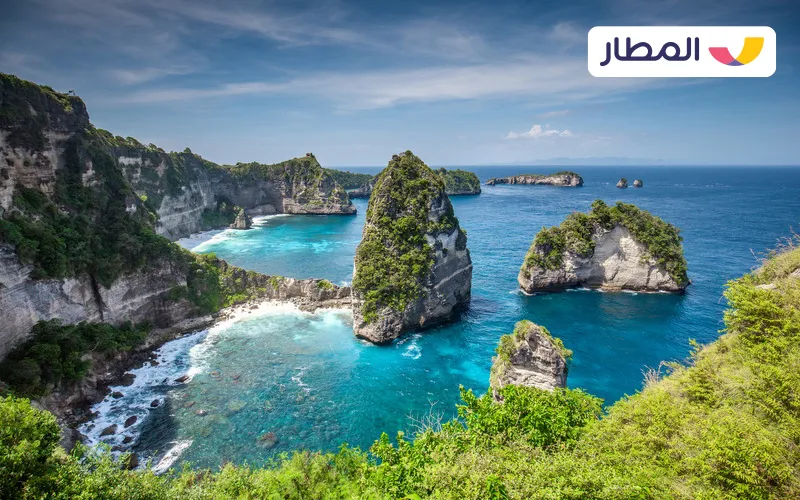
These are among the best islands in Philippines for a first trip, but each offers a different experience:
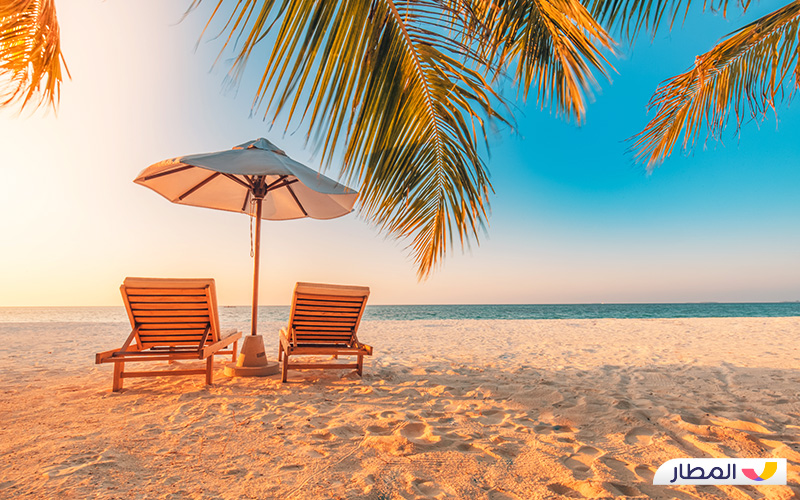
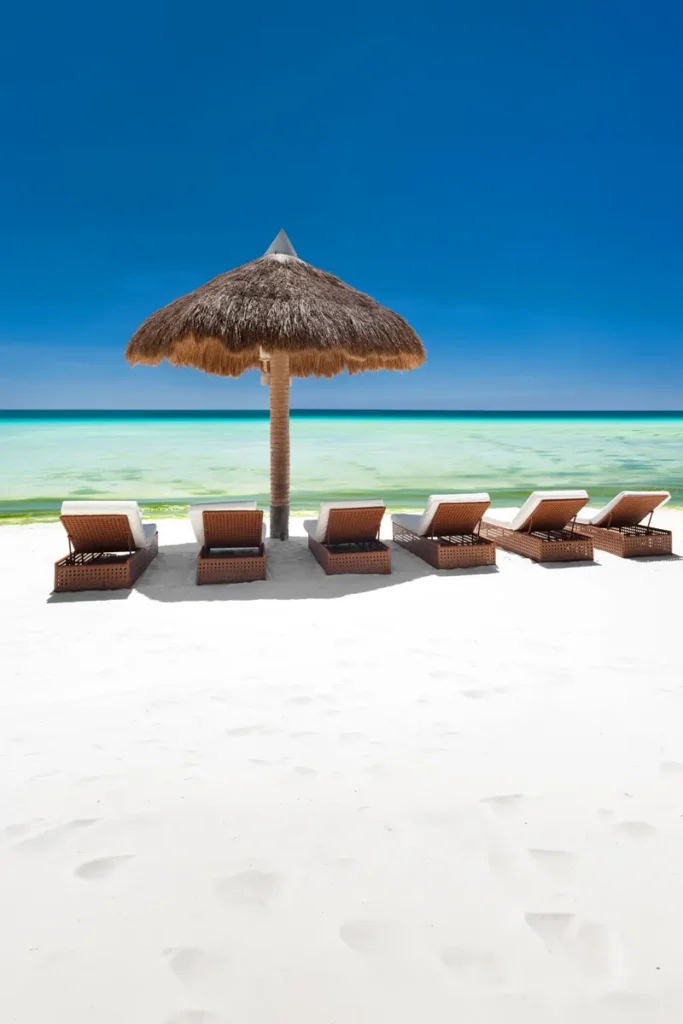
- Boracay: A small island that is easy to explore. Its White Beach is one of Asia’s best-known beaches, and the island suits a first visit or a three- to four-day stay.
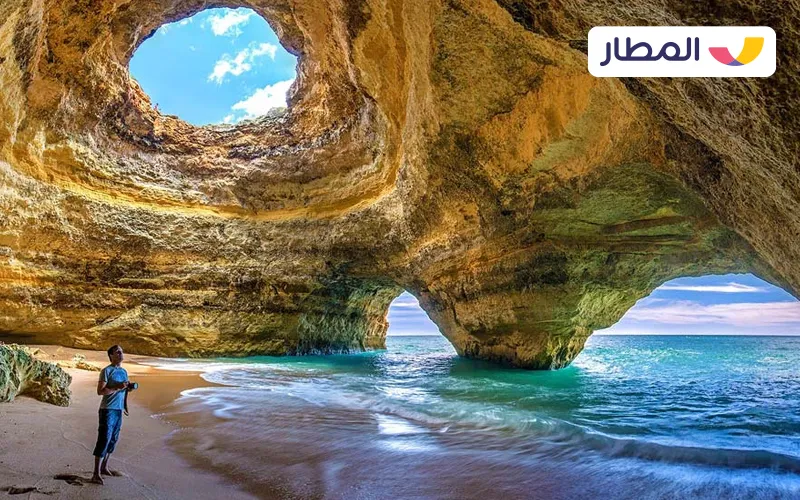
- Palawan: Home to El Nido, Coron, and Puerto Princesa, with blue lagoons, limestone cliffs, and island-hopping boat tours. Allow at least five days.
- Cebu: Combines a full-service city with diving sites, waterfalls, and nearby islands, making it the most balanced option for families.
For a detailed comparison of the three islands and advice on dividing your time, see [Best Islands in Philippines: Boracay, Palawan & Cebu].
Siargao: The Philippines’ Surfing Capital
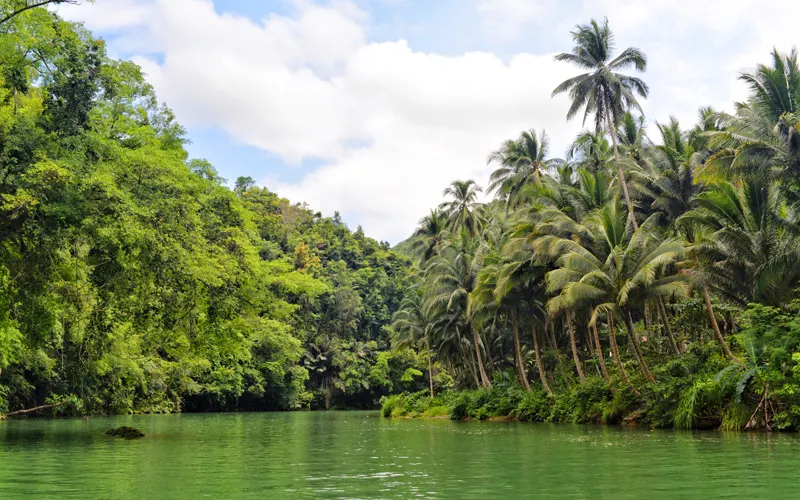
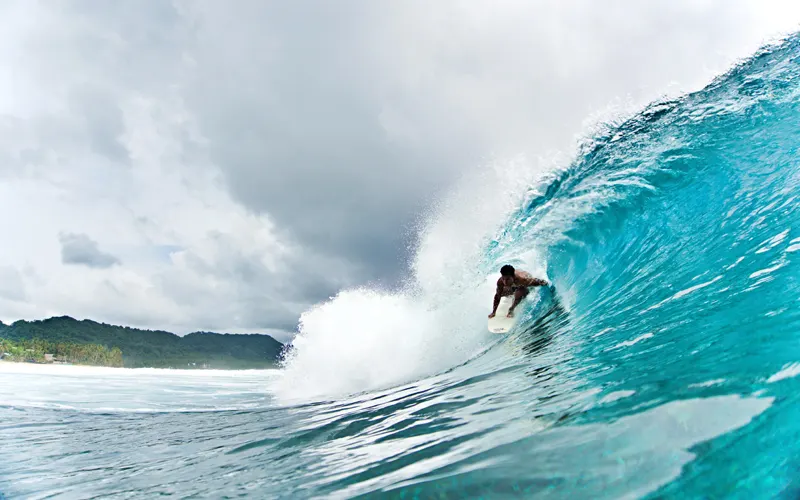
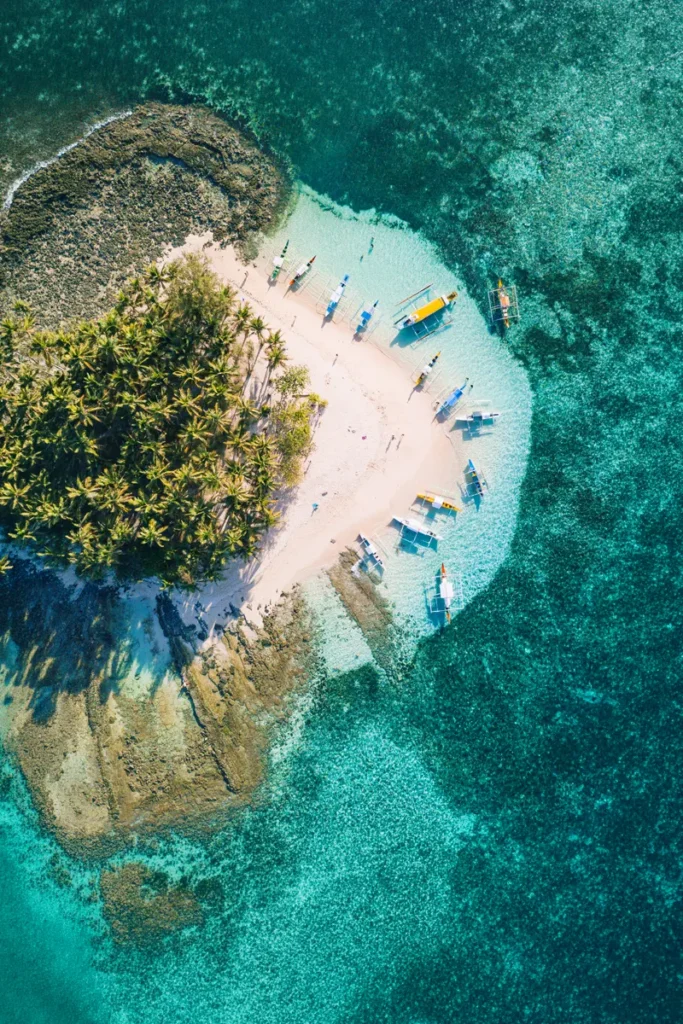
Siargao is known as the country’s surfing capital for its famous waves, but it has also become a destination for its lagoons, mangrove forests, and small islands. It is a good choice for travelers looking for a slower pace. Read the full guide in [Siargao Island: The Philippines’ Surfing Capital].
Philippines Tourism Beyond Beaches
Philippines tourism also includes mountain landscapes and cultural destinations, not only beaches:
- Bohol: Known for the Chocolate Hills and the beaches of Panglao Island.
- Batanes: Green meadows and sea cliffs in the far north, ideal for travelers seeking peaceful natural scenery.
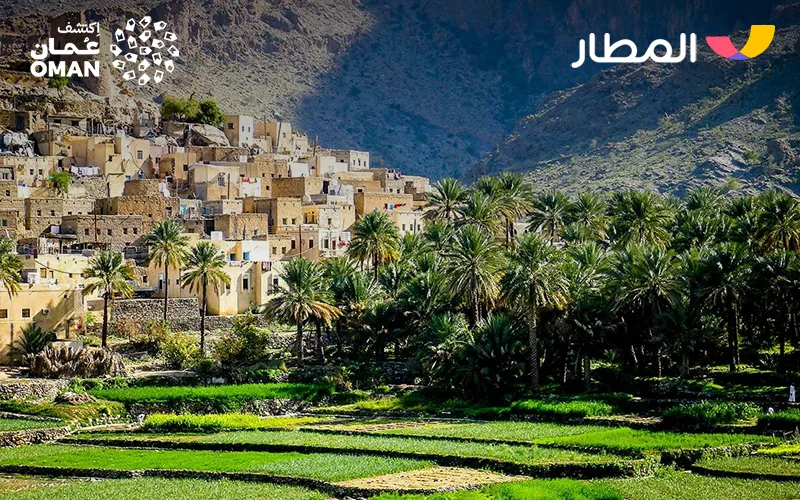
- Banaue and Ifugao Rice Terraces: Centuries-old agricultural terraces carved into the mountains.
- Davao: A gateway to the south that suits travelers looking for a mix of city life and nature.
- Vigan: Cobblestone streets and houses dating from the Spanish colonial period.
Getting Around the Philippine Islands
This is where many first-time visitors make their biggest mistake: trying to cover five islands in one week.
- Domestic flights are the fastest way to travel between the main island groups. The network is extensive, and fares can be competitive when booked early.
- Ferries are useful for travel between nearby islands, but schedules can be affected by sea conditions, especially during the rainy season.
- Within cities, taxis and ride-hailing apps are the main options. In smaller towns and villages, tricycles are widely used for short distances.
- A practical rule: Limit a 7- to 10-day trip to two or three islands, and leave enough time between a domestic connection and your international return flight.
Filipino Cuisine and Halal Food


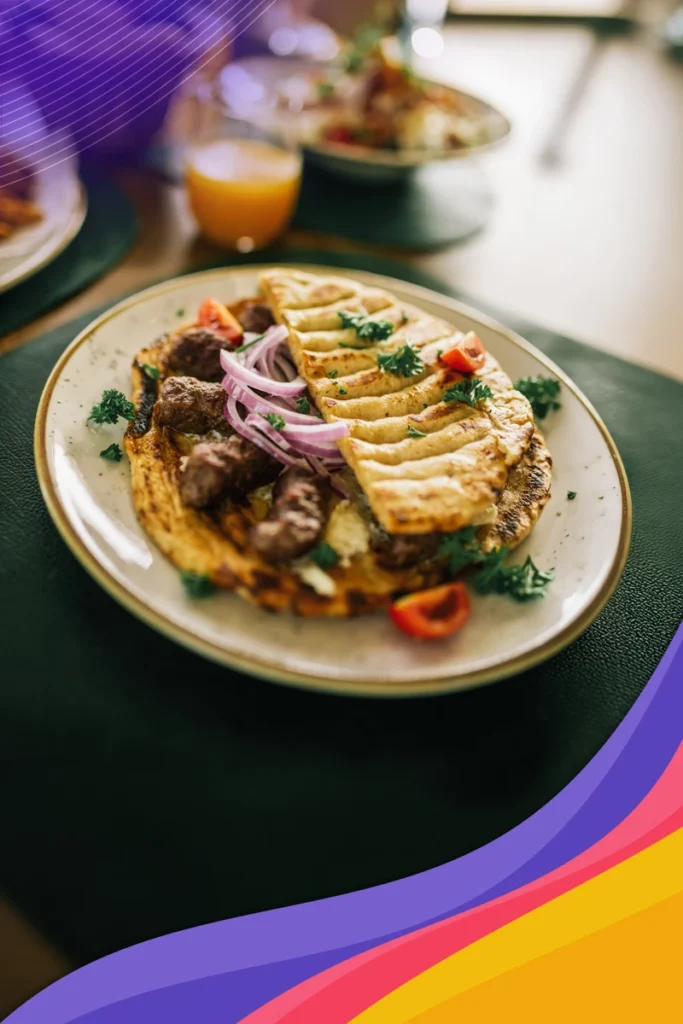
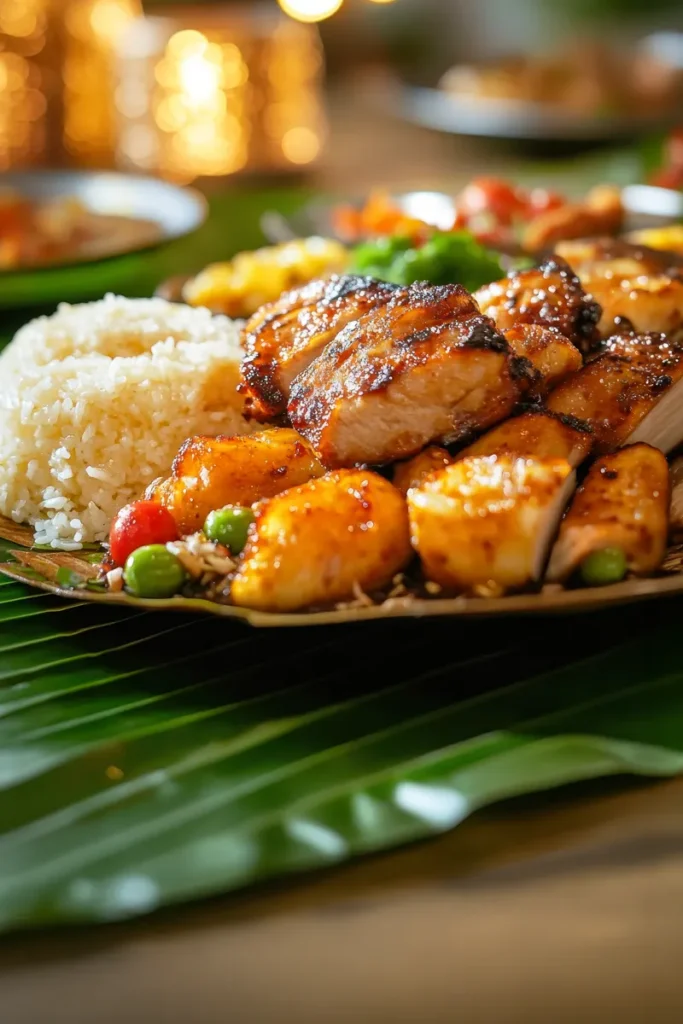
Food adds another enjoyable dimension to Philippines tourism, with a cuisine shaped by local, Spanish, and Chinese influences. Well-known dishes include adobo, the sour soup sinigang, lechon, and the shaved-ice dessert halo-halo. Learn what to order in [Filipino Food: A Traveler’s Guide].
Options for Muslim travelers have improved noticeably in recent years:
- The country ranked fifth among non-Organisation of Islamic Cooperation destinations in the 2026 Global Muslim Travel Index, up from eighth place the previous year.
- The Department of Tourism runs an accreditation program for Muslim-friendly accommodation, with dozens of accredited hotels to date.
- Muslims make up around 6% of the population, with the largest communities in the south.
- Practical tip: Check a restaurant or hotel’s halal certification directly before booking, as choices on smaller tourist islands are more limited than in major cities.
Quick Practical Tips
- Exchange some money into Philippine pesos, as cash remains widely used on islands and in local markets.
- Arrange an eSIM before traveling. Coverage is generally good in cities but can vary in remote areas.
- Pack sunscreen, insect repellent, and a lightweight umbrella during the rainy season.
- Check baggage allowances on domestic flights, as they are often lower than those on international routes.
- When booking hotels through almatar, you can split the cost with Tabby and spread your travel expenses over several payments.
- If this is your first trip to Southeast Asia, the Vietnam travel guide can help you compare the two destinations before making a choice.
The Philippines is not a destination you plan with a single decision; a successful trip depends on arranging the islands, seasons, and domestic connections in the right order. Start with only two or three destinations, then build your dates and budget around the best islands in Philippines for your travel style. Once your Philippines itinerary is ready, compare flights and hotels and book them in one place through the almatar app.
FAQs About Philippines Tourism
What are the travel requirements from Saudi to the Philippines?
Saudi passport holders may enter visa-free for tourism stays of up to 30 days, provided their passport is valid for at least six months, and they have a return or onward ticket. The travel requirements from Saudi to the Philippines also include completing the official eTravel registration.
What is the Philippines capital, and how much time should I spend there?
The Philippines capital is Manila, and two days are usually enough before continuing to the islands, unless you want more time for history and shopping.
What languages are used with tourists in the Philippines?
Filipino and English are the country’s official languages. English is widely spoken across tourist destinations, making everyday communication relatively easy.
What is the Philippines population, and will it affect my trip?
The official Philippines population exceeds 112 million. The main effects for travelers are heavy traffic in Manila and the need to book popular islands early during peak seasons.
How many days are enough for a first trip to the Philippines?
Allow 7 to 10 days for two or three destinations. This gives you enough time to enjoy some of the best islands in Philippines without rushing between flights and ferries.
Additional Articles to Read:
You might also like
-
Philippines
Filipino Food: A Traveler’s Guide to Local Cuisine
-
Explore Countries
Siargao Island: Beaches, Activities & Hotels
-
Philippines
Philippine Islands: Boracay, Palawan & Cebu
-
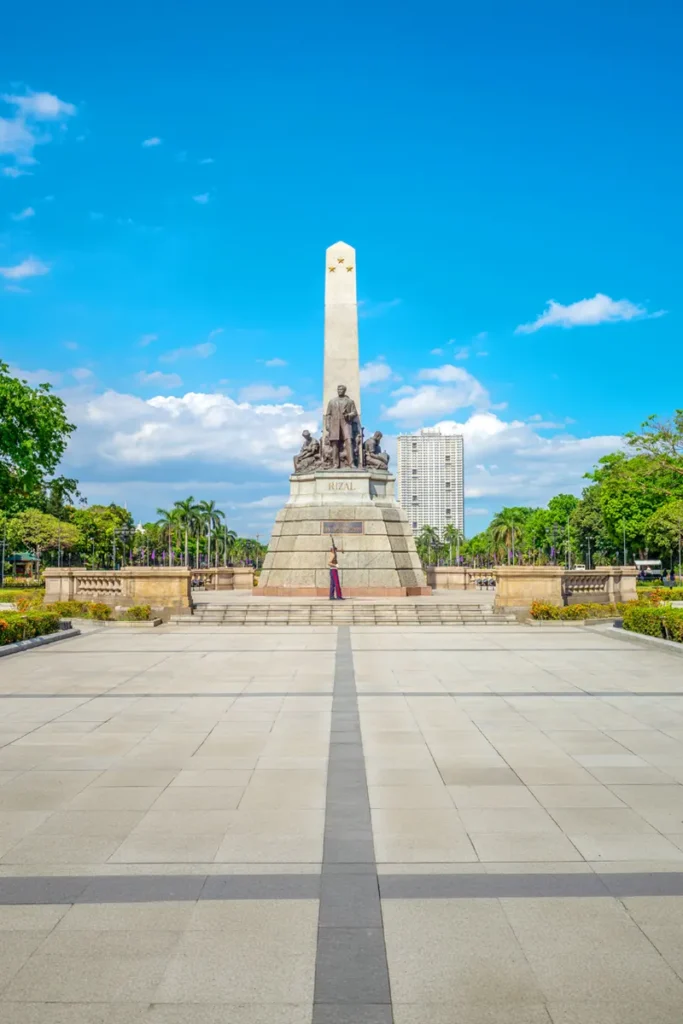
Manila
Manila Travel Guide 2026: Visa, Attractions & Hotels
-

News
almatar and Cluster2 Airports Company Sign MoU to Develop Travel Solutions and Grow Umrah Passenger Traffic
-

Explore Countries
Singapore Changi Airport Guide
-

Explore Cities
Penang Travel Guide
-
Explore Cities
Langkawi Island Travel Guide
-
Explore Countries
Best Places to Visit in Singapore: Universal Studios, Marina Bay & More