


















































































Korean Cuisine: From Kimchi to Traditional Korean BBQ
You are standing at a BBQ table in Seoul, the grill is hot, and the server is waiting for your order, but one question is on your mind: is this meat halal?
Korean cuisine goes far beyond kimchi and the BBQ dishes you see on social media, but knowing a few basics before ordering can make a big difference.
In this guide, you will discover Korea’s best-known dishes, how restaurant classifications work, and where to find halal food in Korea with greater confidence.
What Makes Korean Cuisine Different?
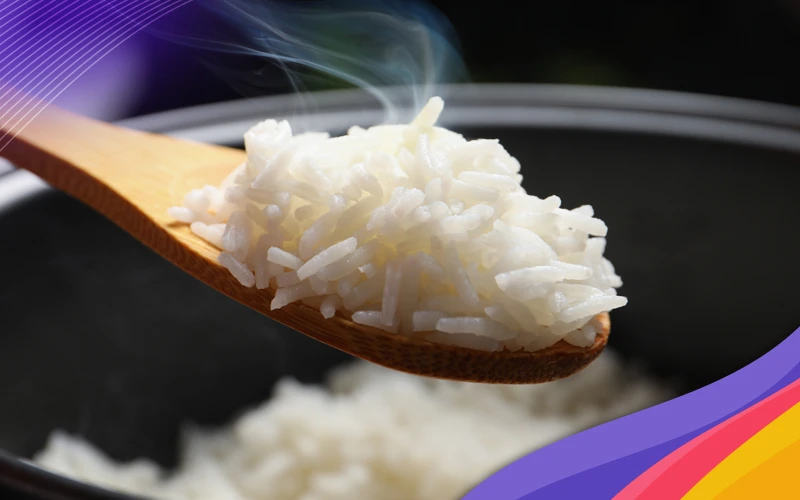
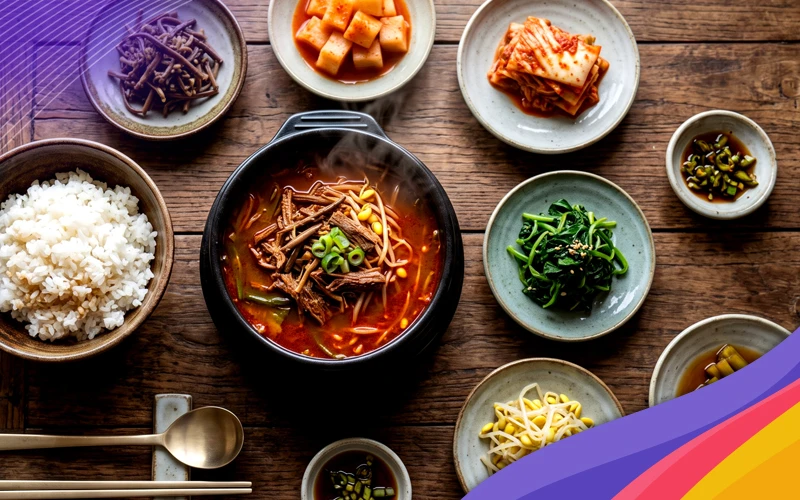
- Rice is at the center of the meal, served alongside small side dishes known as banchan, which are usually complimentary and can often be refilled.
- Fermentation shapes the flavor: kimchi, red pepper paste (gochujang), and soybean paste (doenjang) are staples of Korean cooking.
- Cooking happens at the table: many dishes are grilled or simmered right in front of you.
- Spice comes in different levels: Korean food can be hot, but the heat is often warming rather than overwhelmingly sharp.
- Spoons and chopsticks are used together: rice and soup are eaten with a spoon, while most other foods are eaten with chopsticks.
This article is part of [South Korea Travel Guide 2026: A First-Timer’s Overview]. If you are still planning the basics of your trip, start there, then come back to explore the food.
Kimchi: The Heart of Korean Cuisine
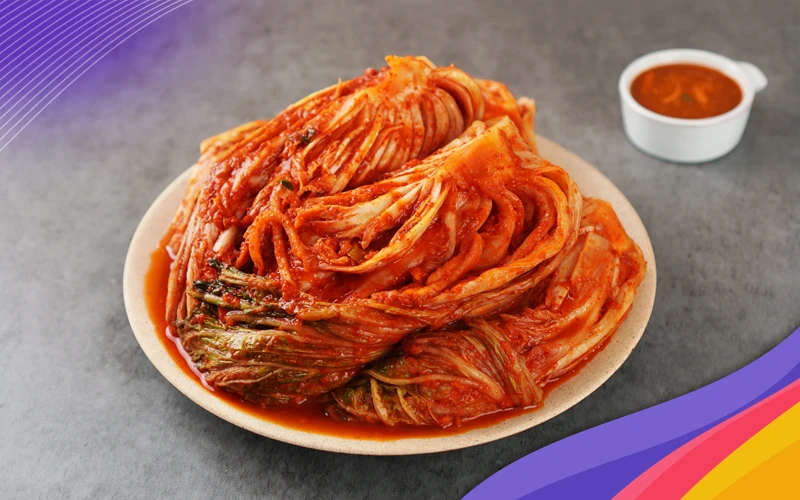
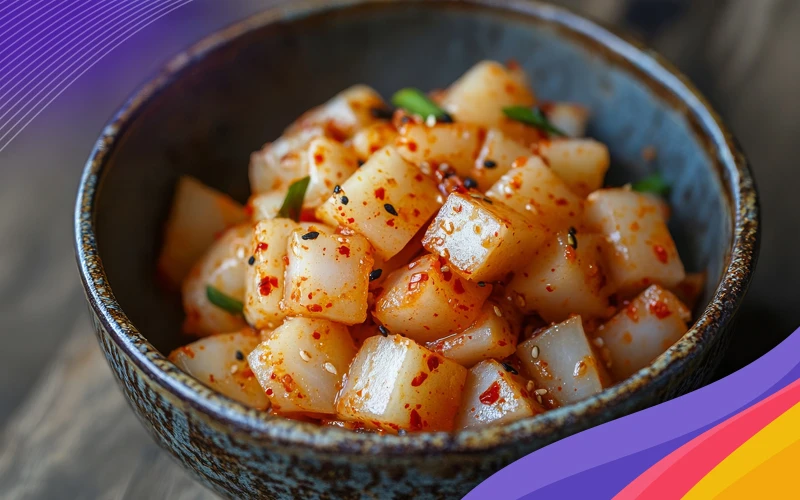
Kimchi is not a single dish. It is a whole family of fermented vegetables:
- Baechu kimchi: spicy napa cabbage kimchi and the best-known variety.
- Kkakdugi: crunchy cubes of white radish that pair especially well with soups.
- Baek kimchi: white kimchi made without chili, a good choice if you prefer milder flavors.
- Dongchimi: refreshing water-based kimchi served cold.
Two Things Worth Knowing
- The communal tradition of preparing kimchi, known as kimjang, has been on UNESCO’s Representative List of the Intangible Cultural Heritage of Humanity since 2013. Kimchi-making was also later recognized as an intangible national heritage in Korea.
- Traditional recipes often include seasoned vegetables and fermented seafood such as shrimp or anchovies, so ask about the ingredients if you avoid seafood.
Traditional Korean BBQ: How Does It Work?
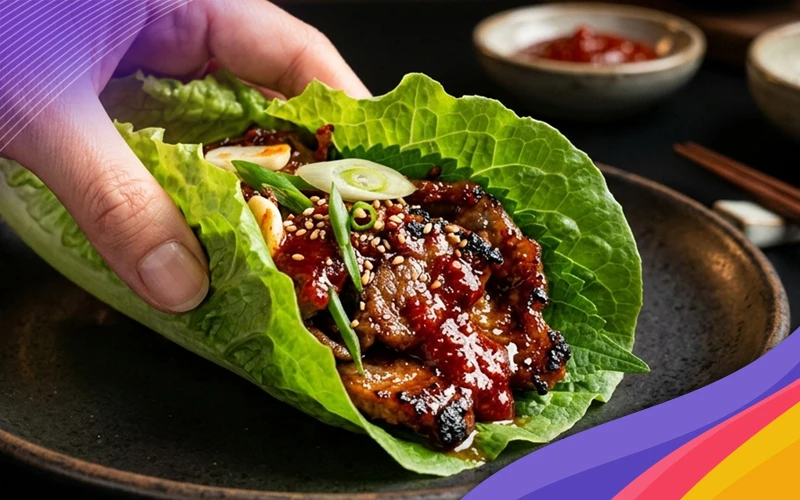
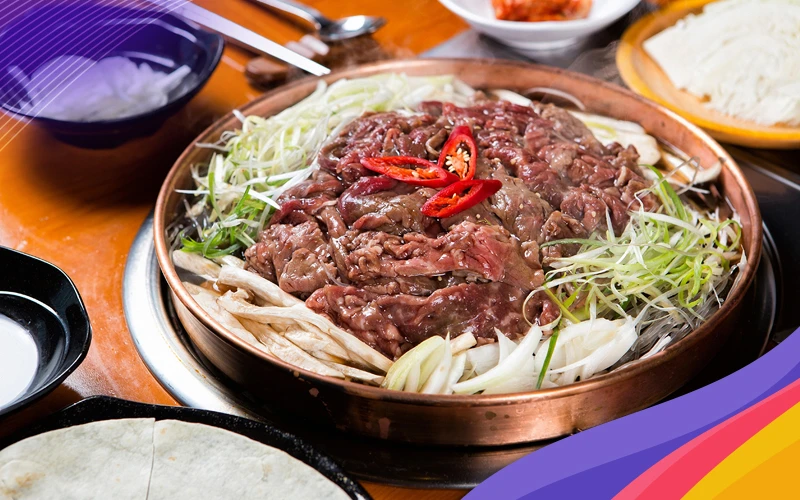
- A grill sits in the middle of the table, and at many restaurants the staff will cook the meat for you.
- Bulgogi: thin slices of marinated beef with a sweet and savory flavor, making it one of the easiest Korean dishes for first-time visitors.
- Galbi: marinated beef ribs with a richer, fattier flavor.
- Ssam: a piece of meat is wrapped in a lettuce leaf with garlic and sauce, then eaten in one bite.
An important note before visiting a regular Korean BBQ restaurant: meat at standard restaurants is generally not slaughtered according to Islamic requirements, marinades may contain cooking wine, and grills can be shared with pork. Simply removing pork from your order may not be enough, so choosing a halal restaurant from the start is the safer option.
Korean Dishes Worth Trying
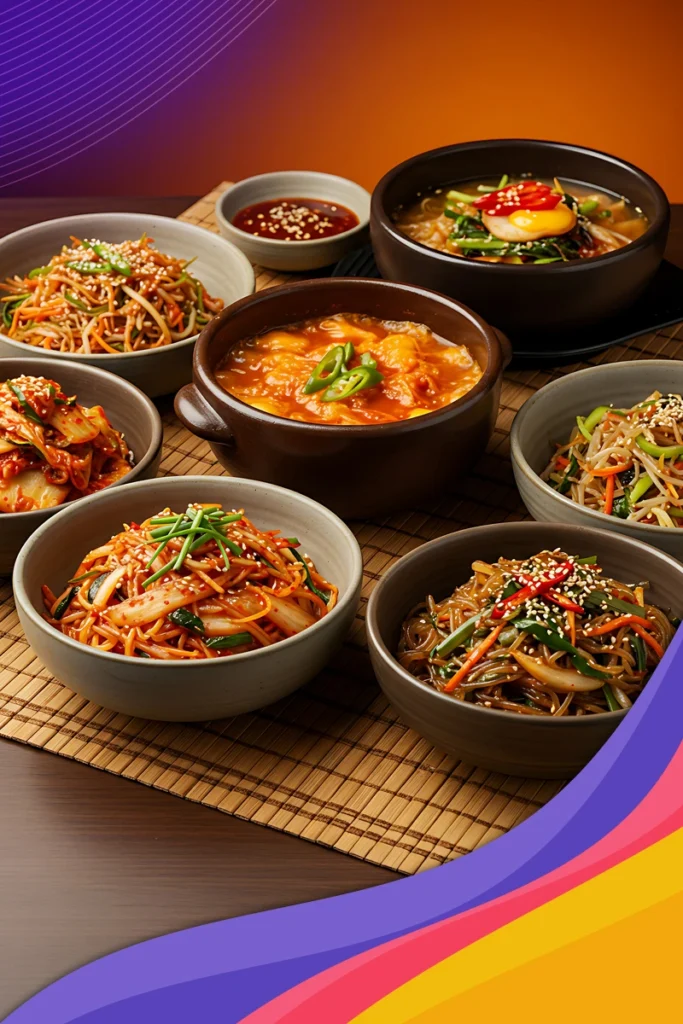
- Bibimbap: rice topped with vegetables, meat, egg, and chili paste, mixed together before eating.
- Samgyetang: a whole chicken stuffed with rice and ginseng and served in a hot broth.
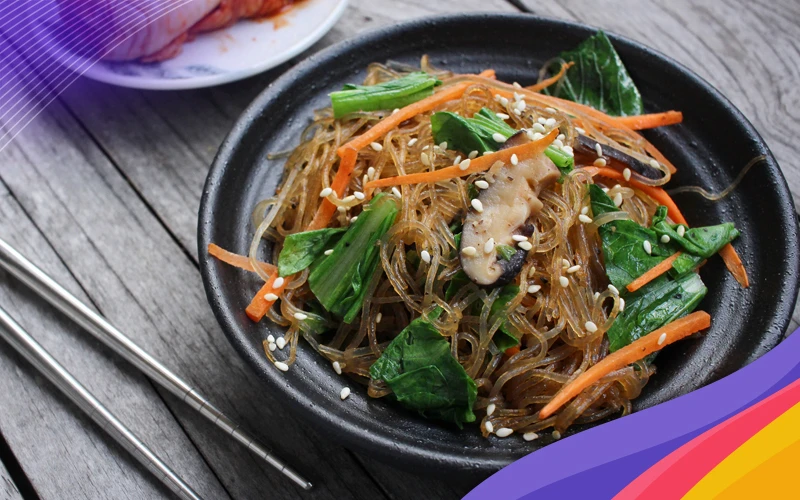
- Japchae: translucent sweet potato noodles with vegetables and sesame oil.
- Sundubu-jjigae: spicy soft tofu stew served bubbling hot in a stone pot.
- Kimchi-jjigae: kimchi stew, which can be ordered with beef at Halal restaurants Seoul.
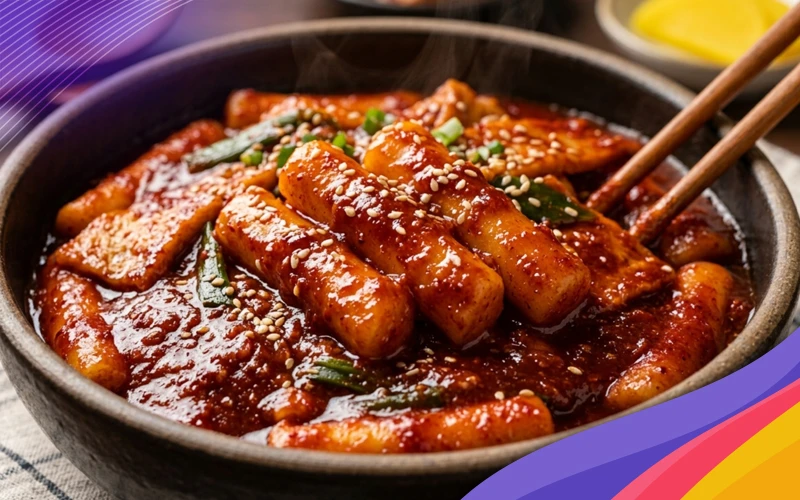
- Tteokbokki: chewy rice cakes in a spicy red sauce, one of Korea’s most popular street foods.
- Gimbap: seaweed rice rolls that work well for a long day of sightseeing.
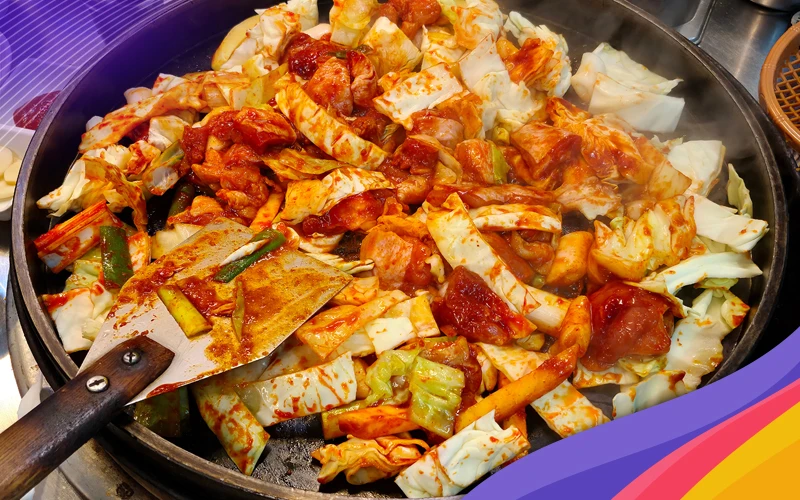
- Dak-galbi: chicken stir-fried on a hot plate with cabbage and rice cakes.
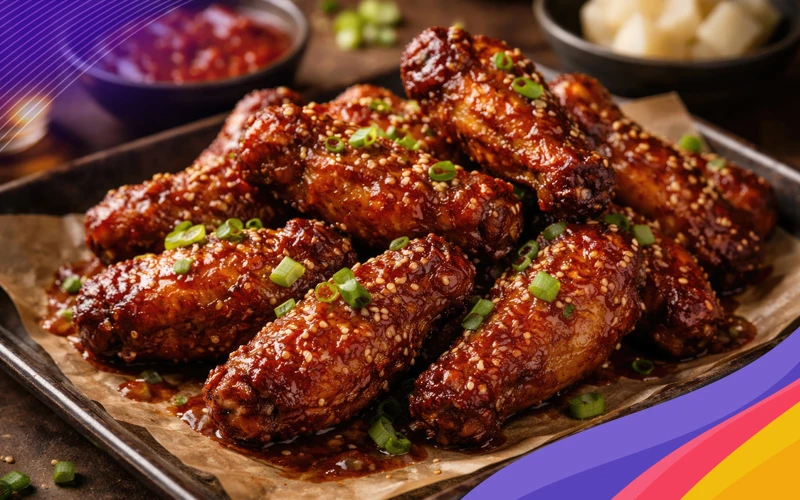
- Korean fried chicken: lightly battered and crispy, with soy garlic among its most popular flavors.
- Naengmyeon: cold noodles served in an icy broth, especially popular in summer.
- Hotteok and bingsu: a pancake filled with brown sugar, and shaved ice topped with milk and fruit.
Halal Food in Korea: Check the Restaurant Classification Before Ordering
The Korea Tourism Organization uses a classification system designed to help Muslim travelers make more informed choices. According to its official Muslim-friendly travel page, restaurants are divided into four categories:
- Halal Certified: restaurants certified by an approved organization such as the Korea Muslim Federation (KMF), with all food considered halal.
- Self-Certified: a Muslim restaurant owner states that the food is halal, but the restaurant does not hold formal halal certification.
- Muslim friendly Korea: only some dishes are halal, and alcoholic drinks may also be served.
- Pork-Free: the restaurant does not offer a halal menu but does not use pork. Alcohol may still be available.
Tips That Can Make Your Search Easier
- If avoiding restaurants that serve alcohol is important to you, focus on the first two categories.
- The number of restaurants certified by the Korea Muslim Federation’s halal committee remains limited nationwide, while many other options fall into the lower categories.
- MUFKO and HalalGo Korea list restaurants by category, show prayer room locations, and offer tools to scan Korean ingredient labels.
- Restaurant information on tourism portals may sometimes be outdated, so cross-check it with another source before visiting.
Good news for those seeking authentic Korean flavors: some major Korean food producers now make halal-certified versions of products such as red pepper paste and soybean paste for restaurants, making traditional flavors more accessible to Muslim diners.
Best Halal Restaurants in Seoul
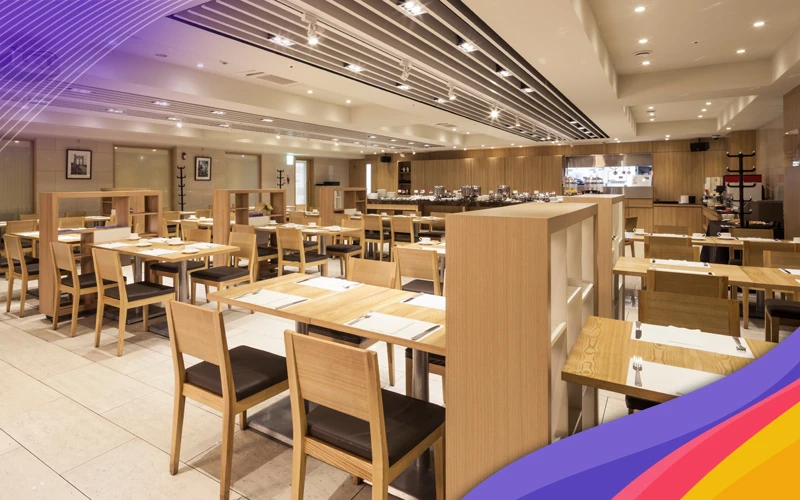
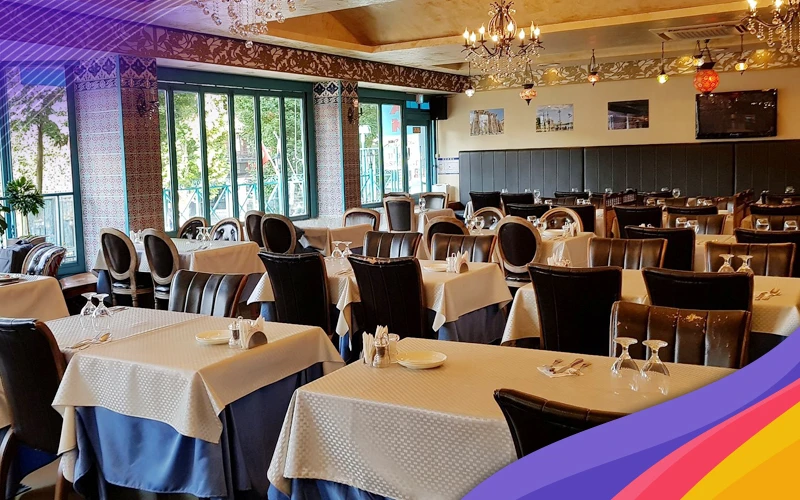
If you are planning your days in the capital, check [Seoul Awaits: Everything to Know Before Visiting Korea’s Capital] to organize your neighborhoods before deciding where to eat.
Itaewon: The Heart of the Halal Dining Scene
- EID Restaurant: Often described as the only Korean restaurant in Seoul certified by the Korea Muslim Federation for traditional Korean cuisine. It is located on Usadan-ro 10-gil near Seoul Central Mosque, with samgyetang and kimchi fried rice among its recommended dishes.
- Makan: about 150 meters from EID and one of the more affordable Korean halal options. Its menu includes beef bulgogi, spicy braised chicken, cold noodles, and dosirak takeaway meals.
- The streets leading toward the mosque also have Turkish kebab restaurants, Pakistani biryani restaurants, and Middle Eastern bakeries.
Myeongdong
- Busan Jib: offers halal Korean BBQ and fried chicken, with a prayer room on the third floor. The average cost is around KRW 10,000 to 30,000 per person, and the restaurant is less than 300 meters from Myeongdong Station.
Gangnam
- Yang Good: one of the less common places to try Korean BBQ made with lamb. The Australian lamb is halal certified, but the restaurant also serves alcohol to other customers, so it is classified as Muslim friendly Korea rather than halal certified. Expect to spend roughly KRW 25,000-45,000 per person.
- Kervan: a halal Turkish restaurant with several branches, including locations in Itaewon and COEX Mall.
Arab Restaurants in Seoul
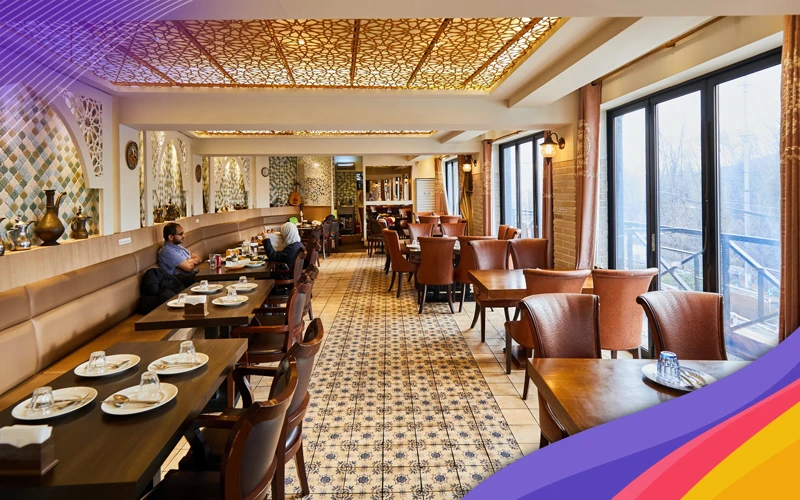
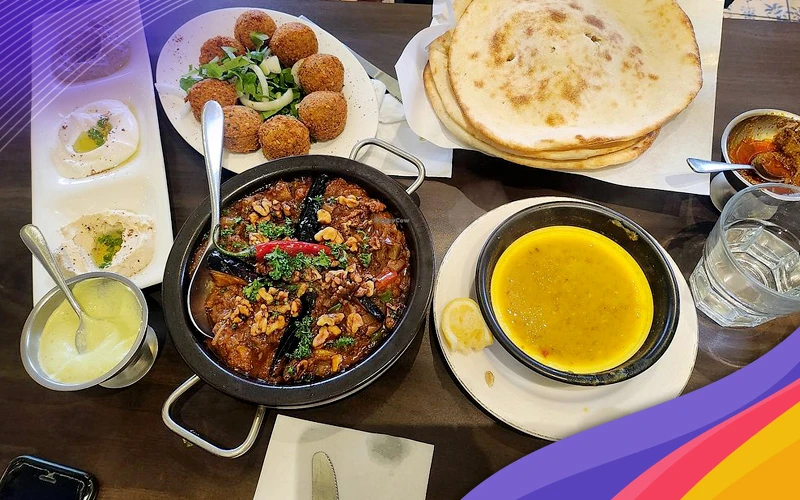
- Petra: Jordanian-run and focused on Levantine cuisine, with dishes such as falafel, hummus, tabbouleh, and lamb chops. It is located near the junction between Itaewon’s main street and Noksapyeong Station.
- Arabesque: located in Hannam-dong near Itaewon, offering a Levantine menu with mezze, kibbeh, and grilled meats.
- Arabic House: near Itaewon, serving a range of Middle Eastern dishes prepared under the supervision of a Jordanian chef.
- Marrakesh Night: serves Moroccan and Mediterranean cuisine.
In practical terms, many of Seoul’s Arab restaurants are concentrated around Yongsan and Itaewon, putting them within walking distance of the mosque.
Tips to Make Your Dining Experience Easier
- Save three useful Korean phrases from the official Seoul guide for Muslim visitors: “Is the meat halal?” “Please, no pork, ham, or bacon,” and “Please, no alcohol in the food.”
- Ask specifically about soup broth, as some broths are made using pork bones.
- Incheon International Airport has prayer rooms operating around the clock in both Terminal 1 and Terminal 2.
- Seoul Central Mosque is Korea’s largest mosque, and Friday prayers begin at around 1:00 p.m., though times may vary by season.
- Outside the capital, the options continue to grow. EID has a branch in Busan, while Jeju has known options such as Baghdad Restaurant. For more about the island, see [Jeju Island: South Korea’s Natural Jewel].
- Opening hours, prices, and certification status can change, so confirm details directly with the restaurant before visiting.
Conclusion
Korean cuisine deserves more than one meal, and finding halal options in South Korea is easier to navigate today than it was a few years ago.
South Korea is also one of the rising destinations featured in [Best Travel Destinations in 2026: Top Trending Picks], making it a good time to start planning now.
Compare flights and book your flight and hotel through the almatar website and app, and check the latest flight and hotel offers before booking.
Frequently Asked Questions
Is it difficult to find halal restaurants in South Korea?
No. With some advance planning, the Korea Tourism Organization’s restaurant classifications and halal dining apps can make the search easier, although options become more limited outside major cities.
What is the best option for trying halal Korean BBQ?
EID in Itaewon and Yang Good in Gangnam are commonly mentioned as two of the safer options for halal Korean BBQ, although their classification statuses differ.
Does all kimchi contain seafood ingredients?
No. However, traditional recipes often use fermented seafood, while white kimchi tends to contain fewer spicy ingredients. It is still best to ask the restaurant about the exact recipe.
Where can I find Arab restaurants in Seoul?
Many are located in Itaewon and Hannam-dong within the wider Yongsan area. Well-known names mentioned in this guide include Petra, Arabesque, and Arabic House.
How much does a meal at a halal restaurant in Seoul cost?
Simple Korean dishes start at around KRW 10,000 per person, while Korean BBQ meals can cost approximately KRW 25,000 to 45,000.
Additional Articles to Read:
You might also like
-

Explore Cities
Jeju Island: South Korea’s Natural Jewel
-

Explore Cities
Seoul Awaits: Everything to Know Before Visiting Korea’s Capital
-
Explore Cities
South Korea Travel Guide 2026: A First-Timer’s Overview
-
Explore Countries
Saudi National Day 2026: Top Events and Celebrations
-
Explore Cities
The Best Restaurants in Tokyo and a Guide to Japanese Cuisine
-
Explore Cities
Kyoto: Japan’s Traditional Heart of History and Gardens
-
Explore Cities
Tourism in Tokyo: How to Spend 5 Perfect Days
-

Explore Cities
Japan Travel Guide: From Tokyo to Mount Fuji
-
Batumi
Georgian Food: Top Dishes & Best Restaurants Guide