


































Jeju Island: South Korea’s Natural Jewel
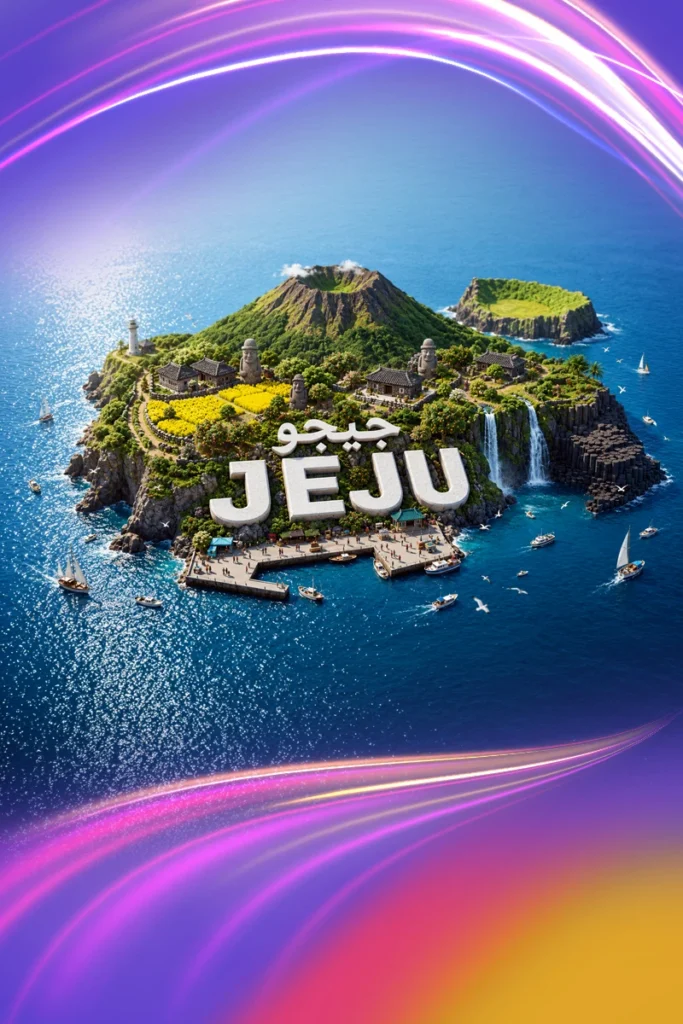
Just one hour by plane from Seoul takes you from the capital’s busy streets to a volcanic crater overlooking the ocean. Jeju Island shows a different side of South Korea, with volcanic landscapes, sandy beaches, and walking trails winding around its mountains. This guide covers the island’s top attractions, best hotels, how to get there, and 2026 entry requirements.
Why Is Jeju Island Worth a Trip of Its Own?
- It is South Korea’s largest island, located about 80 km south of the mainland.
- Jeju holds three UNESCO designations: a Natural World Heritage Site, a Biosphere Reserve, and a UNESCO Global Geopark.
- Its climate is closer to subtropical, with warmer winters than Seoul and less extreme seasonal temperature changes.
- Distances are relatively short, and you can drive around the entire island in one day.
- In a single day, you can see a volcanic mountain, lava tubes, beaches, tea fields, and more than 300 small volcanic cones known locally as oreum.
- A major 2026 event is the reopening of Manjanggul Cave on May 30, 2026, after being closed for two and a half years for safety work.
Jeju can also be part of a wider South Korea itinerary. Build your full trip with [South Korea Travel Guide 2026: A First-Timer’s Overview], or see where Korea ranks among the best travel destinations in 2026.
How to Get to Jeju Island
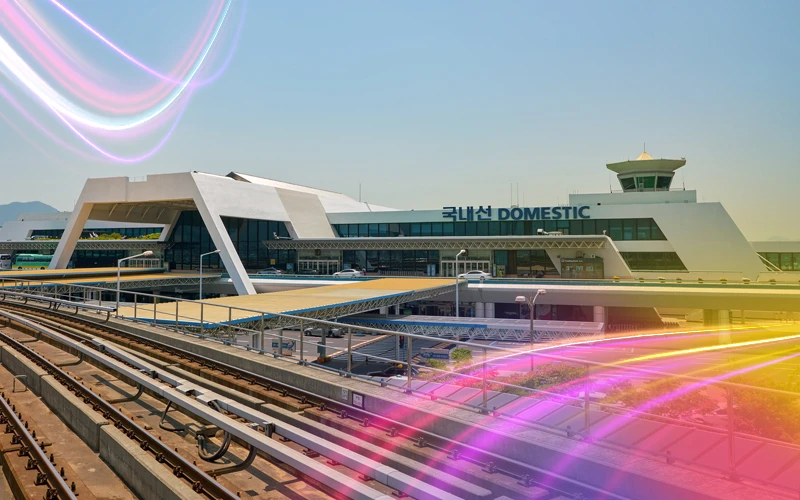
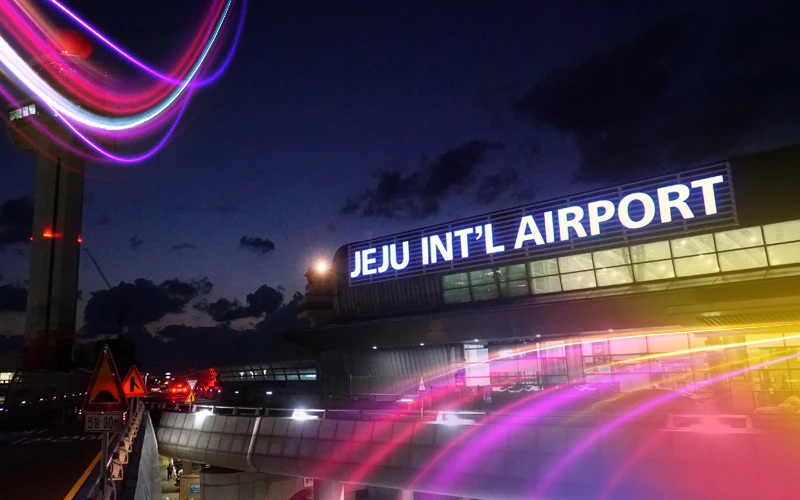
There are no direct flights from the Gulf to the island, so most travelers reach Jeju via a short domestic flight:
- From Seoul: Fly from Gimpo International Airport (GMP) to Jeju International Airport (CJU) in around 55 to 70 minutes. It is one of the world’s busiest air routes, with flights every 15 to 30 minutes.
- From Incheon Airport: This can be convenient for international arrivals who prefer not to transfer to Gimpo. Direct flights on this route resumed in 2026.
- From Busan: Flights from Gimhae International Airport (PUS) to Jeju take about one hour, with hundreds of weekly services operated by several Korean airlines.
- By sea: Direct ferry services from Busan are currently suspended. Ferries operate from ports such as Mokpo and Wando, with journeys taking roughly two and a half to five hours.
Compare ticket prices and connection times through almatar flight booking before confirming the dates of your domestic flight.
South Korea Entry Requirements in 2026: What Has Changed?


- Visa: Citizens of Saudi Arabia and other GCC countries can enter South Korea for tourism without obtaining a visa in advance, for stays of up to 30 days.
- K-ETA: The temporary exemption remains in place until December 31, 2026, for a number of countries, including all six GCC states. Check your status through the official K-ETA portal.
- e-Arrival Card: Travelers have been required to submit an electronic arrival card since January 1, 2026. It can be completed within 72 hours before arrival through the official e-Arrival Card platform.
- Important note: Travelers with a valid K-ETA are generally exempt from submitting the arrival card.
Entry rules can change through government decisions, so it is best to check the latest requirements at least two weeks before traveling.
Jeju Island Attractions: Top Places to Visit in South Korea
Seongsan Ilchulbong, Sunrise Peak
This volcanic crater rises about 182 meters above the sea on the eastern side of the island and is listed as a UNESCO World Heritage Site.
- Admission: around KRW 5,000 for adults.
- Opening hours: from early morning until evening depending on the season, with a scheduled closure on the first Monday of each month.
- The climb takes around 25 to 40 minutes via a continuous staircase.
Manjanggul Cave
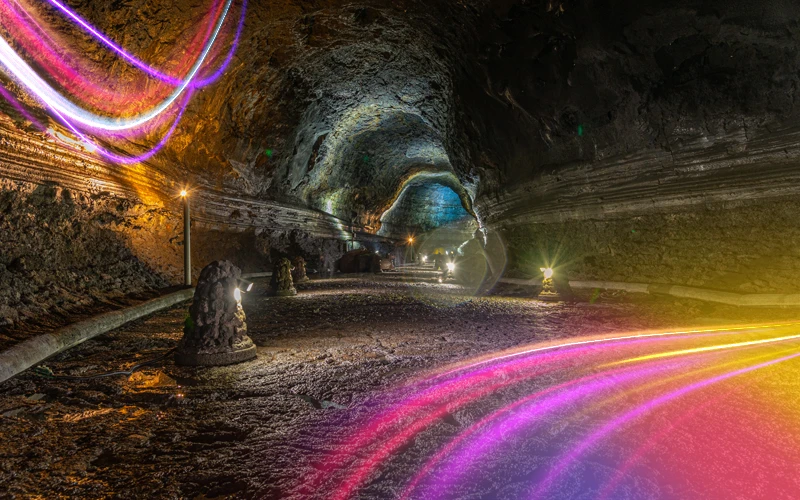
One of the world’s longest lava tubes, with around one kilometer of the cave open to visitors.
- Admission: around KRW 4,000 for adults and KRW 2,000 for children and students.
- Opening hours: 9:00 AM to 6:00 PM, closed on the first Wednesday of each month.
- Temperatures inside remain cool throughout the year, so bring a light jacket.
Hallasan Mountain
Hallasan is the highest peak in South Korea at 1,950 meters, and its crater lake offers one of the country’s most recognizable mountain views.
- Only two trails reach the summit: Seongpanak and Gwaneumsa. Both require a free advance reservation through the Hallasan National Park reservation system.
- There are specific cutoff times at checkpoints. Hikers arriving too late may be required to turn back before reaching the summit.
- Two shorter routes, Eorimok and Yeongsil, do not require reservations but do not reach the crater.
Udo Island
Udo is a small island off Jeju’s eastern coast, reached by a short ferry ride from Seongsan Port. You can explore it by electric bike or small car in half a day, with highlights including a white coral beach and seaside cafés. Check ferry schedules before you go, as services may be suspended in strong winds.
Waterfalls in Seogwipo
- Jeongbang Waterfall: One of the rare waterfalls that flows directly into the sea.
- Cheonjiyeon Waterfall: Close to central Seogwipo and especially attractive after sunset when it is illuminated.
- Cheonjeyeon Waterfalls: A three-tier waterfall system with a famous arched bridge in the Jungmun area.
Jusangjeolli Cliffs
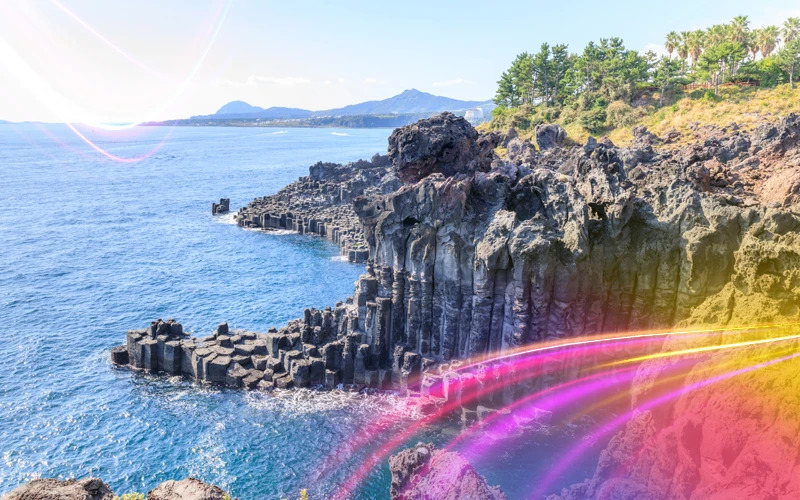
These hexagonal basalt columns were formed where lava met the sea. A short wooden walkway overlooks the formations, and a typical visit takes no more than 40 minutes.
Nature and Local Life
- Hyeopjae Beach: White sand and shallow water make it a good choice for families.
- Osulloc Tea Museum: Green tea fields and a café with open views on the western side of the island.
- Jeju Olle Trails: A coastal walking network stretching for more than 425 kilometers across multiple routes.
- Dongmun Market: One of the best places to try Jeju food in the evening. For more on Korean dishes, see [Korean Cuisine: From Kimchi to Traditional Korean BBQ].
- Haenyeo divers: Women who dive without breathing equipment, following a tradition recognized as UNESCO Intangible Cultural Heritage.
Admission fees and opening hours can change seasonally, so check the official Visit Jeju website before visiting.
Best Hotels in Jeju Island

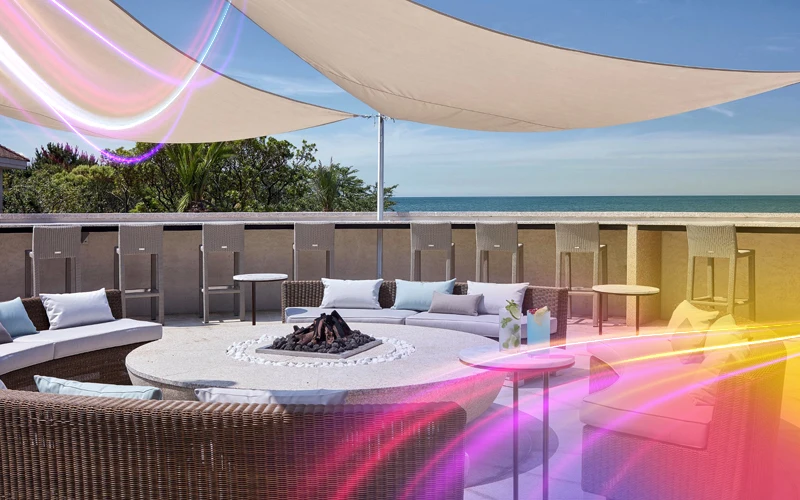
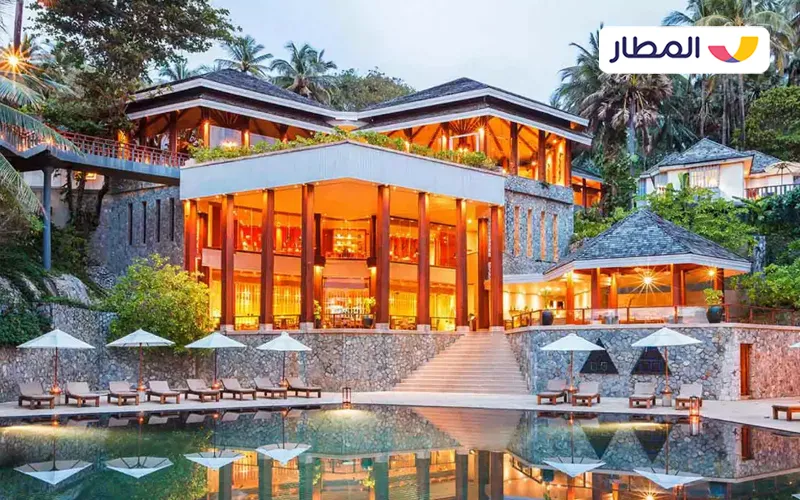
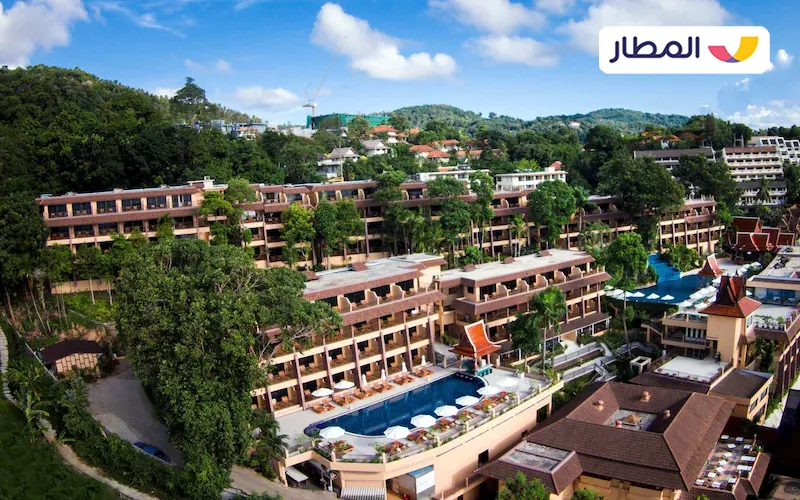
Accommodation in Jeju is mainly concentrated in three areas: Jeju City in the north, close to the airport; Jungmun Resort in the south, known for upscale hotels and beaches; and central Seogwipo, which offers more affordable options and easier access to local life.
You can compare and book hotels in Jeju through almatar according to the area that best matches your itinerary.
- Grand Hyatt Jeju: Located in the Jeju Dream Tower in Jeju City, around 2 km from the airport. It suits travelers looking for panoramic views and easy access to restaurants and shopping.
- LOTTE Hotel Jeju: Set in the Jungmun area, with large gardens and a spacious pool. It is a classic family-friendly option near waterfalls and beaches.
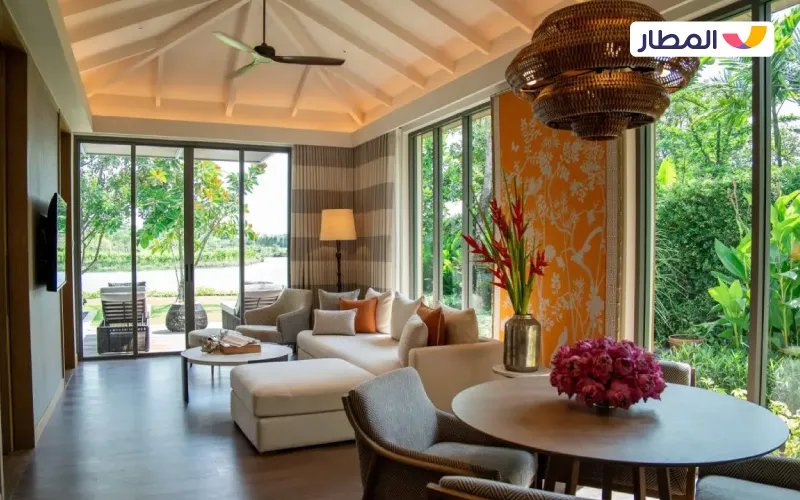
- The Shilla Jeju: One of the island’s most established hotels, offering spacious rooms and suites with mountain and sea views.
- Parnas Hotel Jeju: A newer addition in the south, with a quieter atmosphere and contemporary design.
- JW Marriott Jeju Resort & Spa: Located in Seogwipo, with a focus on privacy, relaxation, and spa facilities.
- Jeju Shinhwa World: A large integrated resort with multiple hotels and theme parks, suitable for longer family stays.
Which Area Should You Choose?
- One night or a short trip: Stay in Jeju City to minimize travel time to and from the airport.
- Family holiday or honeymoon: Jungmun combines beaches and leisure facilities within a relatively compact area.
- Budget-conscious trip: Central Seogwipo offers smaller hotels at lower prices, with local restaurants nearby.
Practical tip: book early if you plan to visit in April or October, as these are among the island’s busiest months. You can also check travel and accommodation offers before confirming your booking.
Getting Around Jeju Island
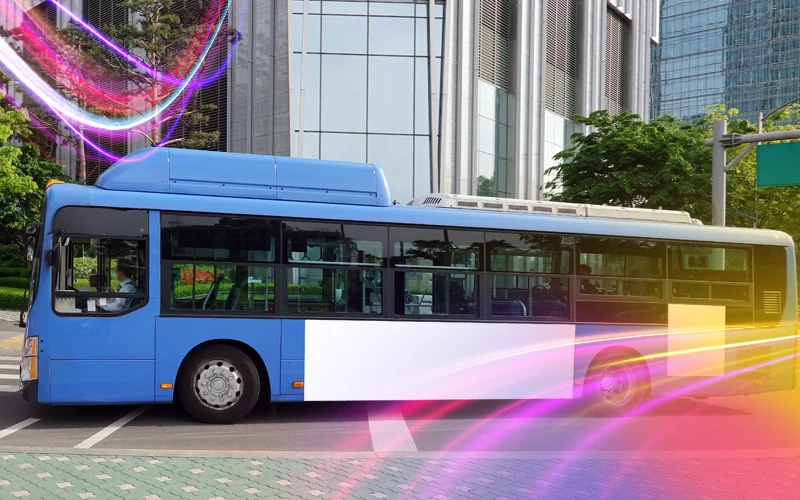
- Rental car: The most practical option for exploring Jeju. You need a valid International Driving Permit in addition to your local driving license and passport.
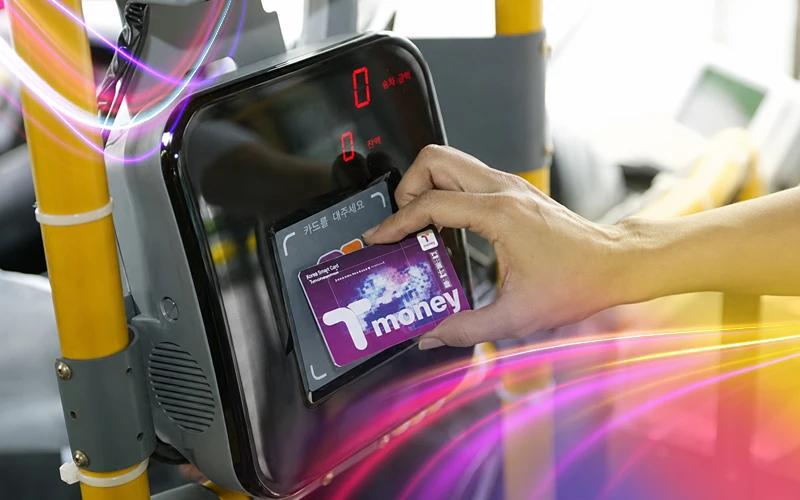
- Public buses: Cover most parts of the island at relatively low flat fares. Payment can be made using a T-money card available at convenience stores.
- Tour buses: Day-pass sightseeing buses serve many of the main attractions on the eastern and western sides of the island.
- There are no trains or metro services on Jeju. Taxis are widely available but can be more expensive for longer distances.
Best Time to Visit Jeju
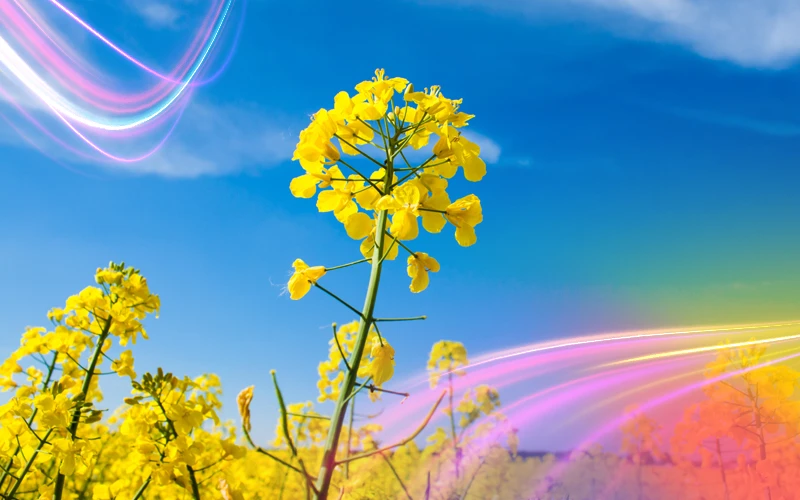
- Spring, March to May: Canola flowers and cherry blossoms, with mild temperatures between 10°C and 20°C. A good season for walking and photography.
- Summer, June to August: Beach season, although humidity is high and there is a chance of monsoon rain and tropical storms.
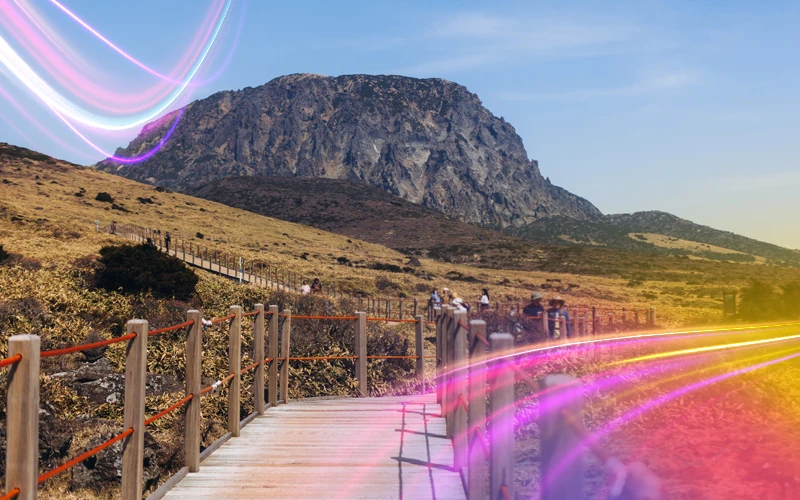
- Autumn, September to November: Clearer skies and comfortable temperatures, making it one of the best times to hike Hallasan.
- Winter, December to February: Fewer visitors, with snow on the mountain summit and red camellia flowers across the island.
Tips for Gulf Travelers
- There is a small mosque in Jeju City and a prayer room in the international departure area of the airport.
- Halal restaurants are more limited than in Seoul, with most concentrated in Jeju City, including Arabic, Indian, and Indonesian restaurants.
- Plan your meals in advance if you expect to spend the day on the eastern or western side of the island.
- Korea’s tourist information hotline is 1330 and operates around the clock in several languages.
Conclusion
Jeju Island does not require two weeks; three or four well-planned days are enough to explore the east, south, and west. Start by confirming your domestic flight dates, then choose the accommodation area that best fits your daily itinerary. Compare flights and book your stay in Jeju through almatar and start planning your trip today.
FAQs About Jeju Island
Do Saudis Need a Visa to Visit Jeju Island?
No. Saudi travelers can enter South Korea without obtaining a visa in advance for stays of up to 30 days, with the electronic arrival card submitted before travel.
How Many Days Are Enough for Jeju?
Three to four days are enough to cover the main attractions. Allow five days if you also want to hike Hallasan or visit Udo Island.
What Is the Best Month to Visit Jeju?
April and October are usually good choices due to mild temperatures, clearer skies, and less rainfall compared with other months.
Can You Travel Directly from Busan to Jeju?
Yes. Flights from Busan take around one hour from Gimhae International Airport, while the direct ferry service from Busan is currently suspended.
Do I Need a Car in Jeju?
A car is not essential, but it can save a significant amount of time when traveling between attractions spread across different parts of the island.
Additional Articles to Read:
You might also like
-
Explore Cities
Seoul Awaits: Everything to Know Before Visiting Korea’s Capital
-
Explore Cities
South Korea Travel Guide 2026: A First-Timer’s Overview
-
Explore Countries
Saudi National Day 2026: Top Events and Celebrations
-

Explore Cities
The Best Restaurants in Tokyo and a Guide to Japanese Cuisine
-
Explore Cities
Kyoto: Japan’s Traditional Heart of History and Gardens
-
Explore Cities
Tourism in Tokyo: How to Spend 5 Perfect Days
-

Explore Cities
Japan Travel Guide: From Tokyo to Mount Fuji
-

Batumi
Georgian Food: Top Dishes & Best Restaurants Guide
-

Batumi
Batumi and Kazbegi: From Georgia’s Beaches to Its Mountains