























































































































































Filipino Food: A Traveler’s Guide to Local Cuisine
Filipino food is one of the more surprising parts of visiting the country, blending Spanish, Chinese, and Malay influences built up over centuries of trade and colonization into flavors that don’t quite resemble any other cuisine in Asia. From comforting traditional dishes to street food carts on nearly every corner, and a handful of genuinely exotic specialties that make for great travel stories, Filipino food rewards anyone willing to try a bit of everything. Since the Philippines isn’t a Muslim-majority country, knowing where to find reliable halal options in the capital, Manila, also takes a bit of local knowledge.
This guide covers the traditional dishes that define Filipino food, the street food and exotic specialties worth seeking out, and the best restaurants in Manila, including its Arab restaurants, for anyone who wants to be sure of what’s on their plate.
Traditional Food in the Philippines
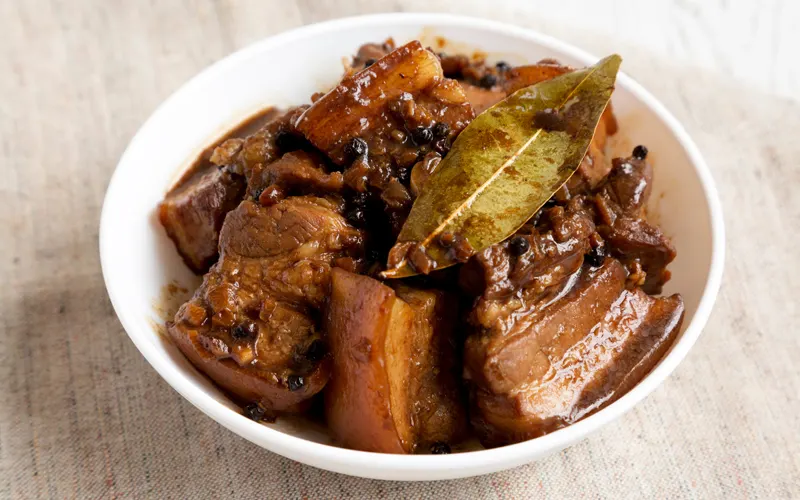
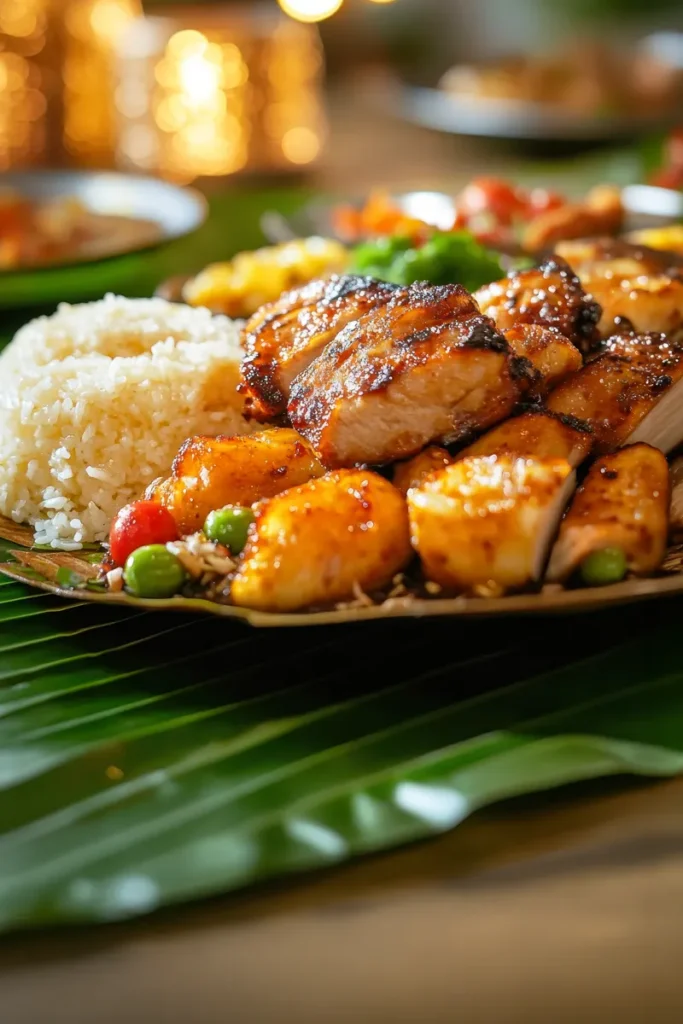
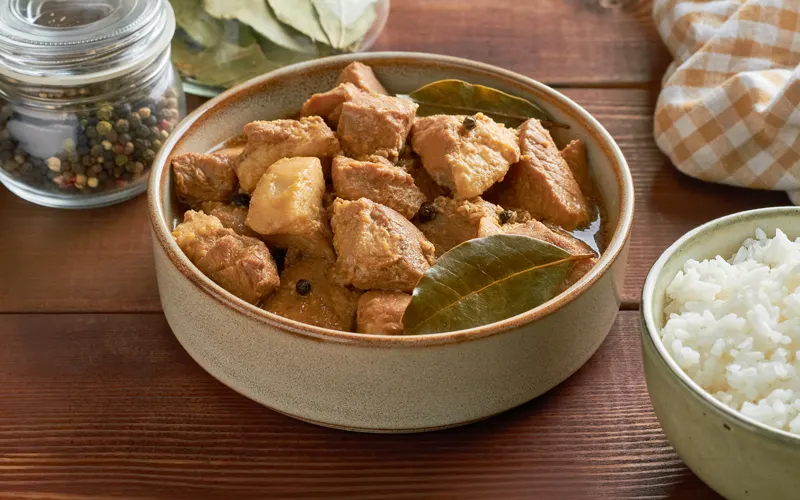
- Adobo: the Philippines’ unofficial national dish and easily the most famous Filipino food name among travelers. Meat is slow-cooked in soy sauce, vinegar, garlic, and bay leaf, and while the name comes from the Spanish word adobar, meaning to marinate, the cooking method itself is genuinely Filipino and predates Spanish arrival, originally used to preserve meat in a hot tropical climate before refrigeration existed.
- Lechon: a whole pig roasted over charcoal for hours until the skin turns crackling and the meat inside is very tender, traditionally served at celebrations like birthdays and weddings. The city of Cebu is particularly known for its version, stuffed and seasoned with herbs and spices from the inside, widely considered one of the best takes on the dish in the entire country.
- Sinigang: a sour soup usually built on tamarind, though some regions use calamansi, unripe tomatoes, or even guava for the tang instead. It’s typically made with meat or seafood alongside vegetables like eggplant, white radish, and water spinach, and it’s a go-to comfort dish, especially on rainy days.
- Kare-Kare: a rich, thick peanut sauce stew, traditionally made with oxtail or beef and vegetables like eggplant and long beans. The dish originates from Pampanga province, known for its especially rich culinary tradition, and it’s usually served alongside a side of fermented shrimp paste to cut through the peanut sauce’s richness with a sharp, salty note.
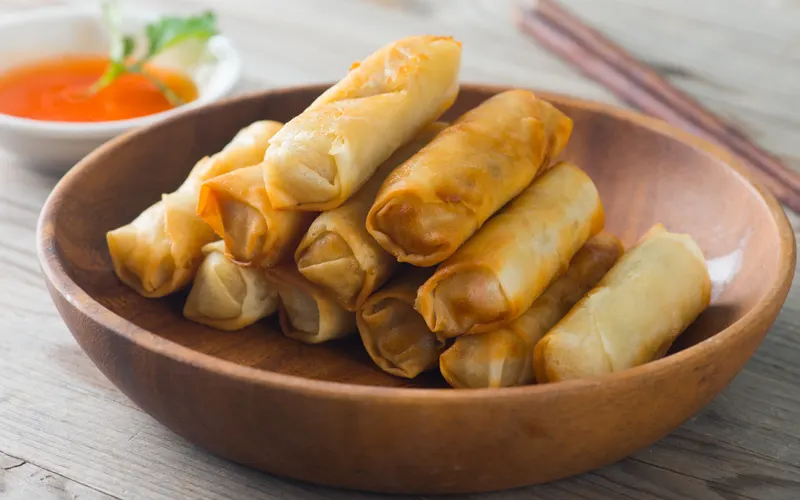
- Pancit and lumpia: stir-fried noodles with vegetables and meat, and crispy spring rolls filled with minced meat and vegetables. Pancit is traditionally served at birthdays because the long noodles symbolize long life in a tradition shaped by Chinese influence, while lumpia is a near-constant side dish at almost every Filipino family gathering.
Philippines Famous Food: Halo-Halo and Other Sweets
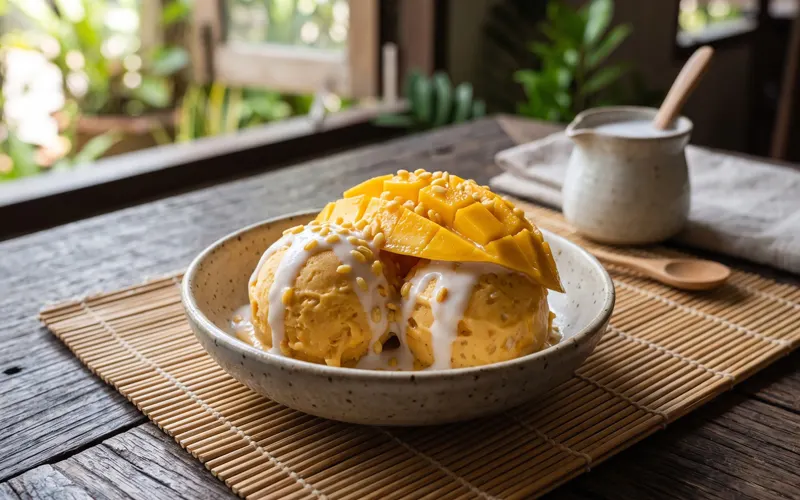

Halo-Halo, which literally means mix-mix in Filipino, is the country’s signature dessert: a tall glass of shaved ice, evaporated or condensed milk, and a colorful mix of sweetened fruits, beans, and jellies, all stirred together before eating. It’s the perfect answer to the Philippines’ tropical heat, and you’ll find versions of it at nearly every restaurant and food stall in the country. Sorbetes, a homemade-style ice cream often made with coconut or carabao milk and served in a bread bun rather than a cone, is another local favorite worth trying alongside it.
Street Food Philippines: What to Try
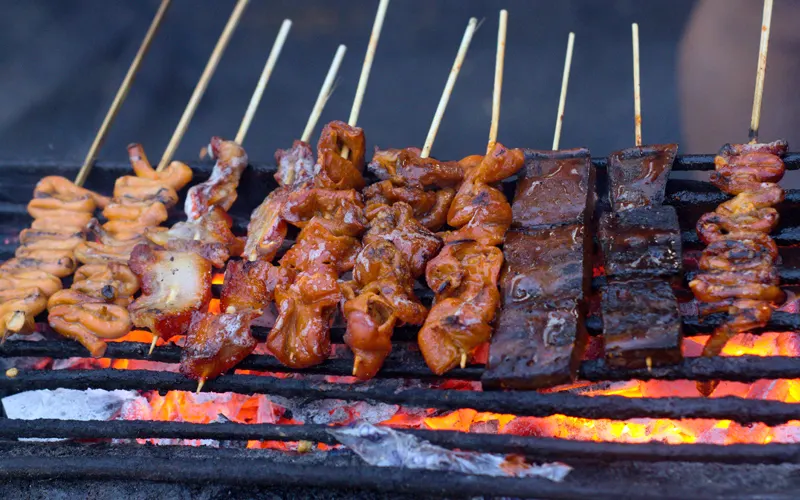
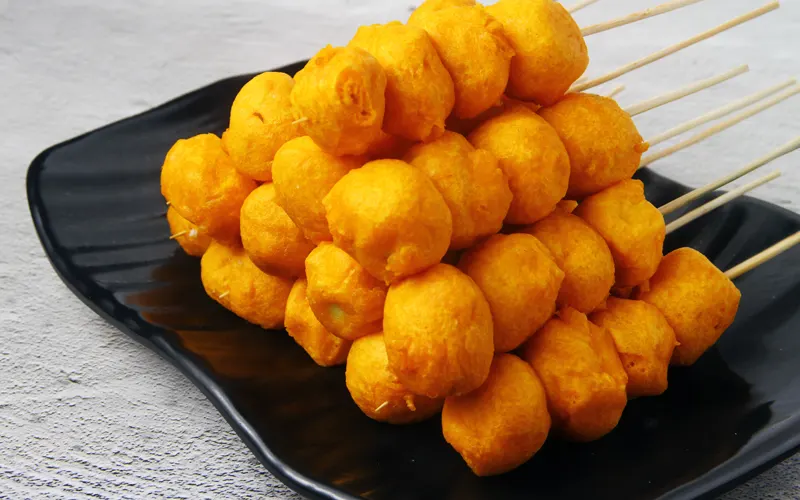
Street food carts are everywhere in the Philippines, and trying a few is one of the best ways to understand everyday Filipino food culture up close.
- Isaw: grilled chicken or pork intestines on a skewer, marinated and charred over charcoal, a street food tradition dating back to the 1970s when meat prices pushed vendors to get creative with every part of the animal.
- Kwek-kwek: quail eggs coated in a bright orange batter colored with achuete and deep-fried until crispy, usually dipped in spicy vinegar.
- Taho: warm silken tofu topped with brown sugar syrup and small tapioca pearls, sold by vendors carrying two canisters on a shoulder pole and calling out Tahooo as they walk through neighborhoods.
- Fish balls and banana cue: minced fish rolled into balls and deep-fried, and caramelized fried plantains on a stick, both classic affordable snacks sold side by side on the street.
Exotic Food in the Philippines
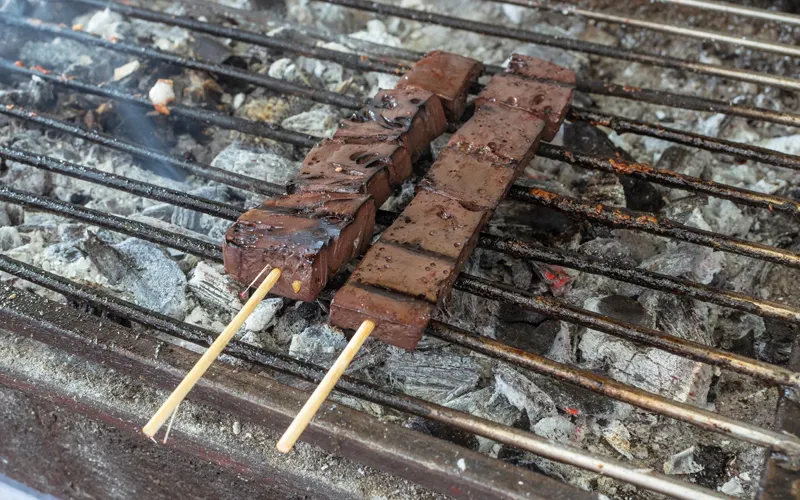
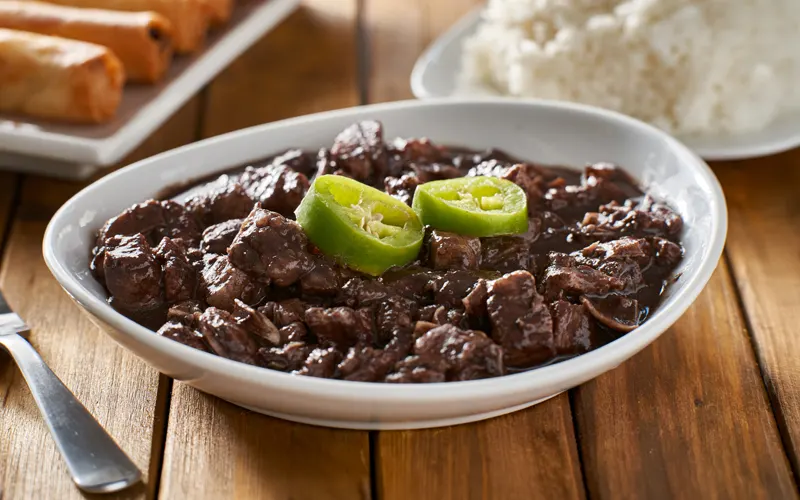
A handful of dishes have earned the Philippines a reputation for some of the more adventurous eating in Southeast Asia, and trying at least one is practically a rite of passage for visitors.
- Balut: a fertilized duck egg incubated for 14 to 21 days, then boiled and eaten straight from the shell with salt or vinegar, first introduced to the Philippines by Chinese traders in the 1880s.
- Dinuguan: a rich, dark stew made from pork blood and offal simmered in vinegar and spices, sometimes nicknamed chocolate meat for its deep color, usually served with rice cakes or plain rice.
- Betamax: cubes of coagulated chicken or pork blood, grilled on skewers, named for its resemblance to old Betamax video cassettes.
The Best Restaurants in Manila
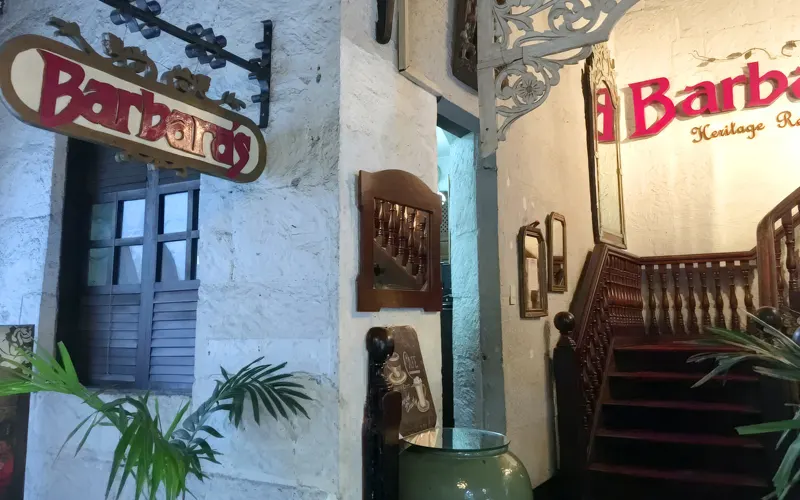
Barbara’s Heritage Restaurant is one of the best restaurants in Manila for trying authentic Filipino food in a genuinely historic setting, set inside a restored Spanish-colonial mansion in the Intramuros district. The restaurant serves a rich buffet featuring dishes like adobo, kare-kare, and lechon kawali, alongside a live cultural show of traditional Filipino folk dances from across the country’s regions, making it as much a dinner-and-a-show experience as a meal.
Arab Restaurants in Manila
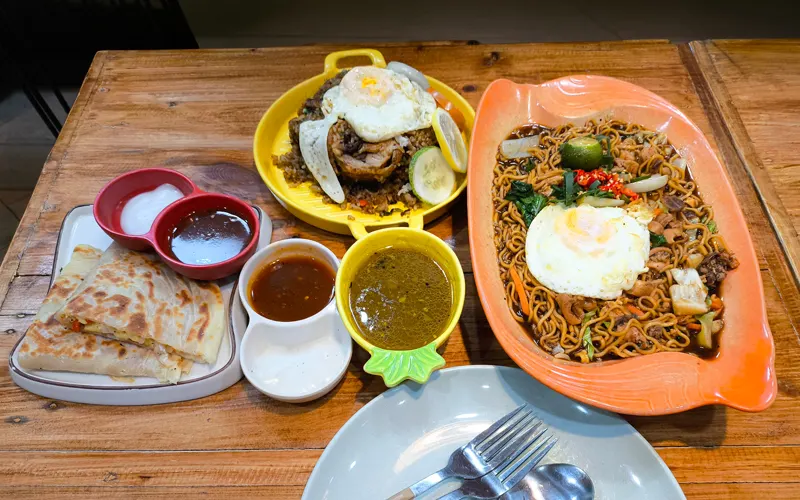

Most Arab and halal restaurants in Manila cluster around the Quiapo district, close to the Golden Mosque, the largest mosque in the Philippine capital. Some of the most trusted options there include:
- Shawarma Snack Center: open for more than 25 years, originally established to serve Arab students studying at Manila’s universities, now serving authentic Middle Eastern dishes at very reasonable prices.
- Arab Asian Resto Cafe: a small cafe blending Middle Eastern and Filipino cuisine, serving shawarma, kebab, and hummus alongside local dishes like
Book Your Trip Now
Now that you have a full guide to Filipino food and the best restaurants in Manila, you can compare direct flights from Riyadh to Manila or from Jeddah to Manila on almatar.
You can also browse almatar’s hotels page to book your stay in Manila.
Frequently Asked Questions
What is traditional food in the Philippines?
Traditional food in the Philippines includes adobo, lechon, sinigang, kare-kare, and dishes like pancit and lumpia served at most family gatherings.
What is the most famous Filipino food?
Adobo is generally considered the most famous Filipino food, alongside lechon for celebrations and halo-halo as the country’s signature dessert.
What street food should you try in the Philippines?
Popular street food in the Philippines includes isaw, kwek-kwek, taho, and fish balls, all commonly sold from carts throughout Manila and other cities.
What is considered exotic food in the Philippines?
Balut, a fertilized duck egg eaten straight from the shell, is the most well-known exotic food in the Philippines, alongside dishes like dinuguan and betamax made from blood.
Is Filipino food generally halal?
Not necessarily, since many traditional Filipino dishes include pork, so travelers looking for halal options are better off seeking out certified halal or Arab restaurants, particularly around Manila’s Quiapo district.
You might also like
-

Explore Countries
Siargao Island: Beaches, Activities & Hotels
-

Philippines
Philippine Islands: Boracay, Palawan & Cebu
-
Manila
Manila Travel Guide 2026: Visa, Attractions & Hotels
-

Philippines
Philippines Travel Guide 2026: Visa, Attractions & Tips
-

News
almatar and Cluster2 Airports Company Sign MoU to Develop Travel Solutions and Grow Umrah Passenger Traffic
-

Explore Countries
Singapore Changi Airport Guide
-

Explore Cities
Penang Travel Guide
-

Explore Cities
Langkawi Island Travel Guide
-

Explore Countries
Best Places to Visit in Singapore: Universal Studios, Marina Bay & More