





























A Brief Overview of Bahrain History
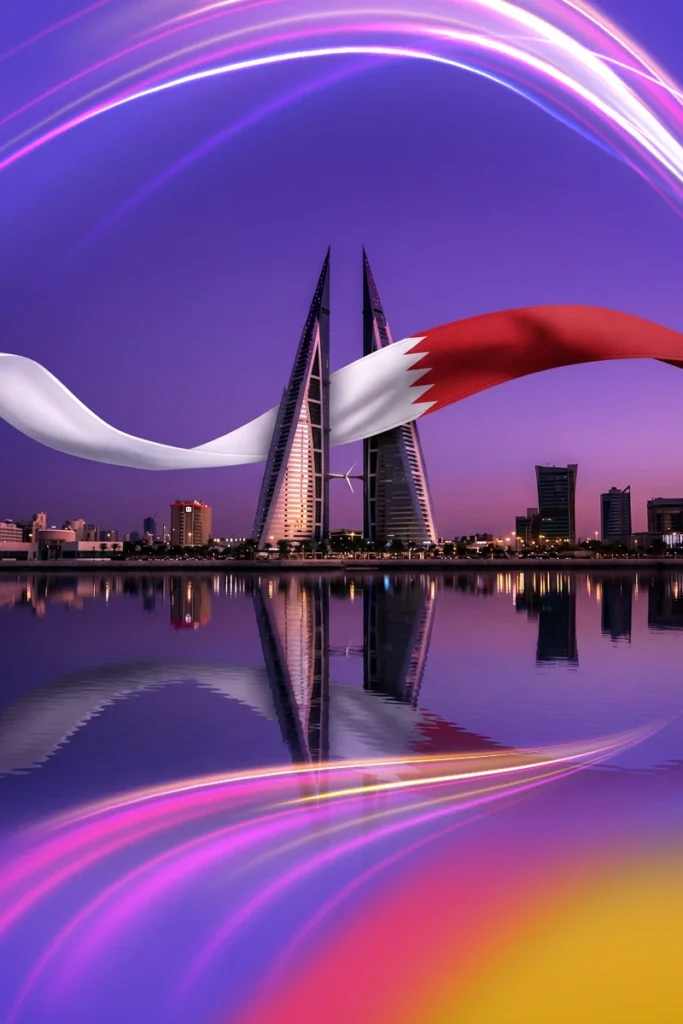
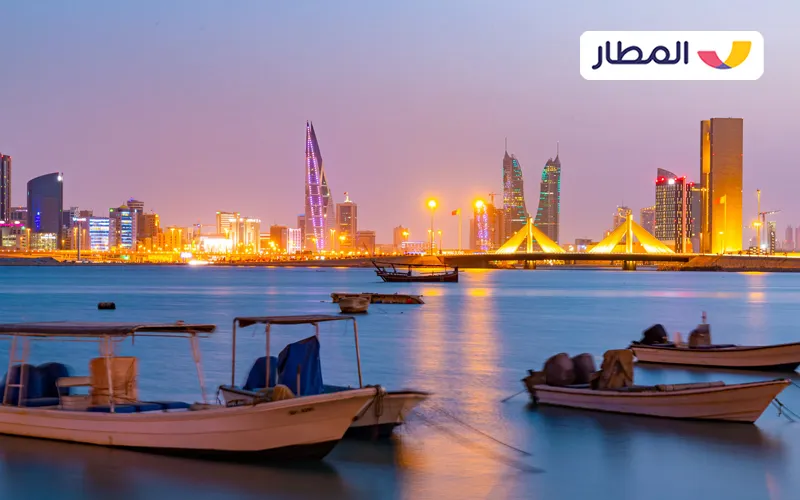
The Kingdom of Bahrain is located in the heart of the Arabian Gulf as an exceptional archipelago whose influence exceeds its narrow geographic borders.
It is not merely a small island, but a living museum that encapsulates the history of societies in the region.
Understanding Bahrain history requires us to dive into layers of geological and human time, where geography played the role of destiny in shaping this country’s identity.
Despite Bahrain’s size being small compared to its neighbors, this kingdom has woven an exceptional story worth telling.
In this article, we invite you to explore astonishing chapters from the history of the Pearl of the Arabian Gulf.
Travel with complete comfort with the Golden Guarantee feature
almatar offers you the Golden Guarantee feature that gives you complete freedom in planning.
This brilliant service lets you recover the full value of your booking for any reason up to 24 hours before your trip. No more worry now about sudden changes.
Bahrain before history: Dilmun and the lost paradise
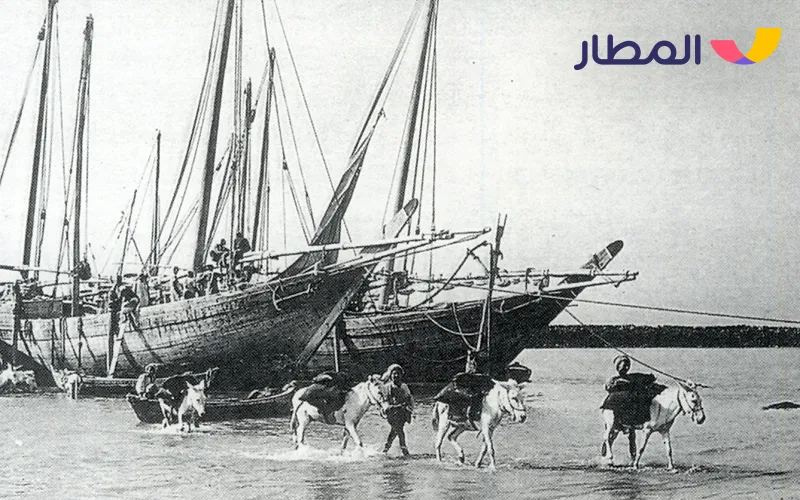
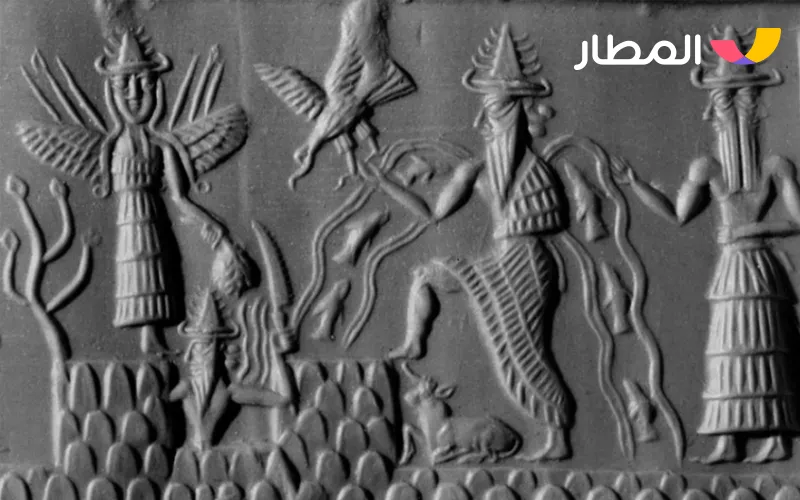
One cannot speak about Bahrain history without going back to Dilmun, the name the Sumerians and Akkadians gave to Bahrain and eastern Arabia.
Dilmun was a massive trading power that controlled navigation routes in the Bronze Age, around 2000 BCE.
It played the role of commercial intermediary between two great civilizations, Mesopotamia, present-day Iraq, and the Indus Valley, present-day Pakistan and India.
Dilmun ships transported copper from Magan, Oman, timber and ivory from India, and textiles and grain from Iraq.
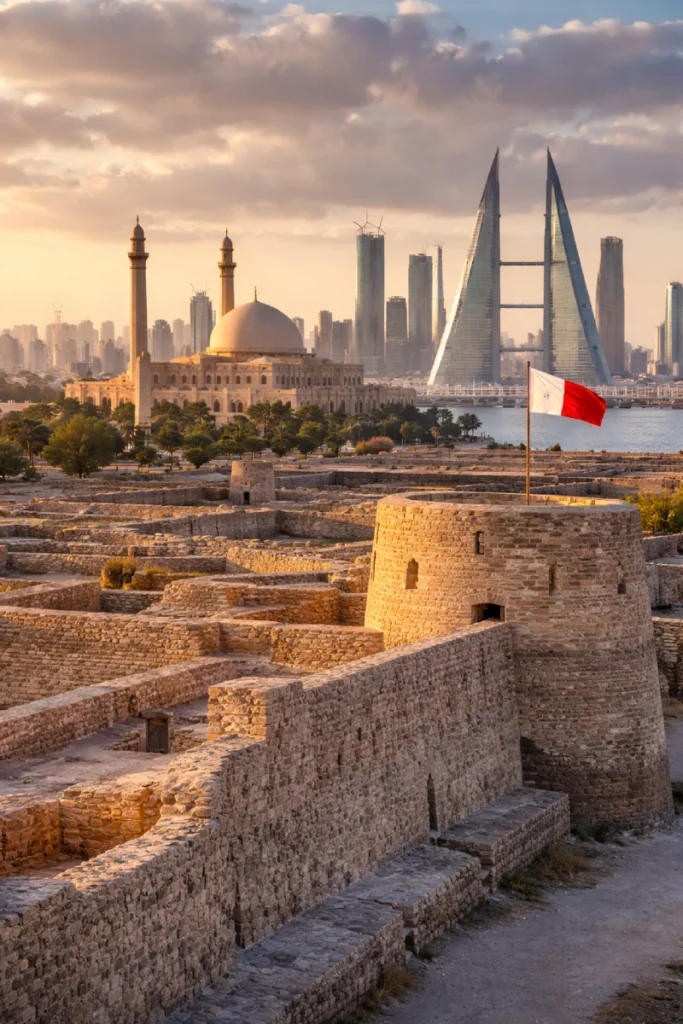
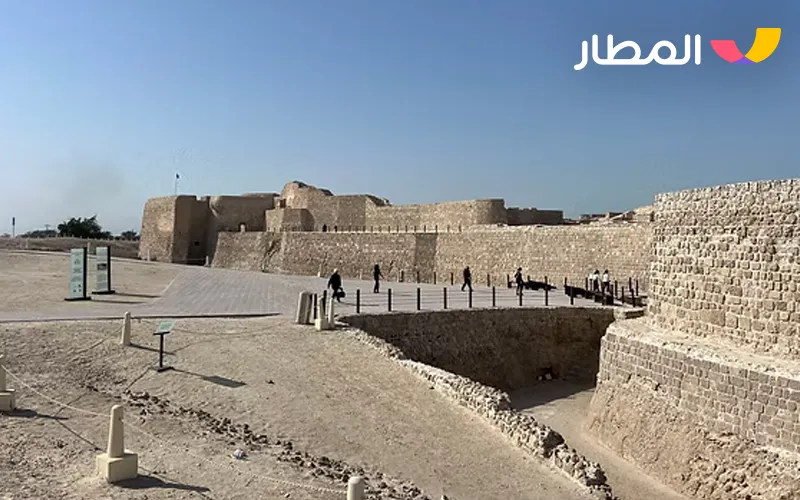
Archaeological excavations at the Bahrain Fort site, registered as a UNESCO World Heritage Site, revealed distinctive Dilmun seals used to document goods, indicating an advanced bureaucratic and administrative system, a standardized currency, and a precise system of weights.
The Hellenistic era: Tylos and Arados
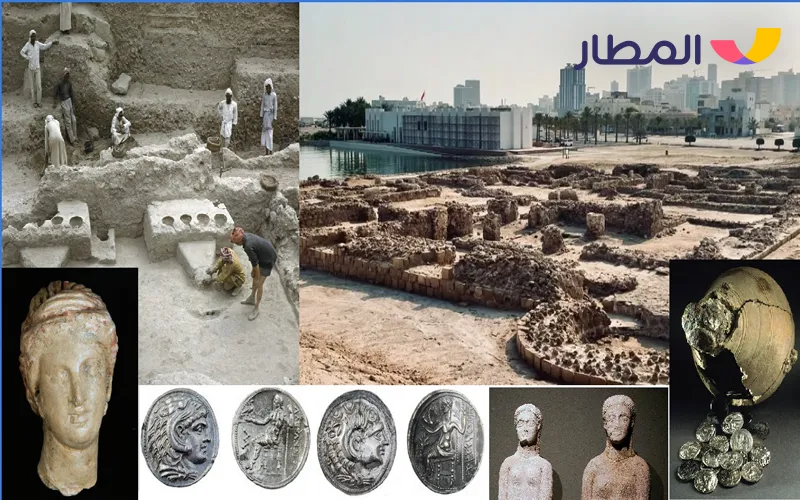
With the fall of Babylon and the rise of the Macedonian Empire, Alexander the Great, who planned to make the Arabian Gulf a maritime bridge for his empire, sent exploratory expeditions led by commanders such as Nearchus and Aristobulus.
The Greeks called the island of Bahrain Tylos and the island of Muharraq Arados.
Bahrain culture in this period witnessed a unique blending of local traditions and Greek influences.
Archaeological finds in the graves of that era, such as the Shakhura site, show terracotta figurines and glassware bearing the marks of Hellenistic art, in addition to tombstones written in a mix of Aramaic and Greek.
Tylos continued as a vibrant commercial hub until the emergence of the Sasanian state, which imposed its influence on the region before Islam.
Bahrain under Islam: a new dawn
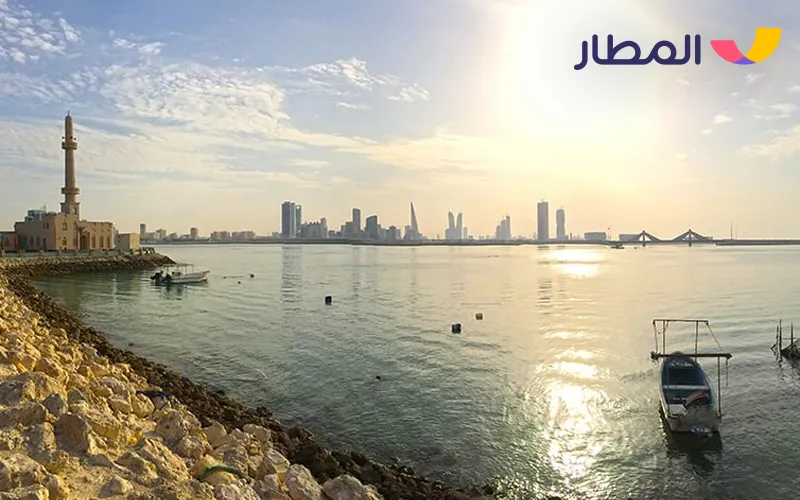
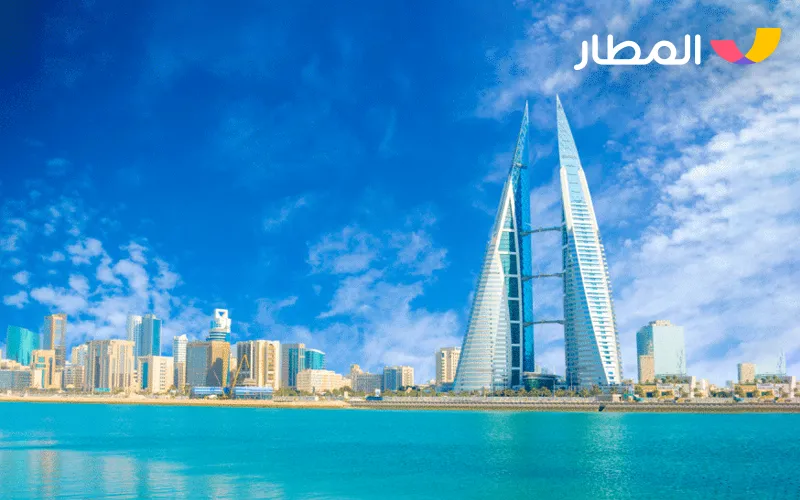
In the seventh century CE, the Prophet Muhammad, peace be upon him, wrote a letter to Al-Mundhir ibn Sawa, the ruler of Bahrain, inviting him to Islam; Al-Mundhir was among the first to respond.
This was a significant turning point in Bahrain history.
Interestingly, the first Friday prayer held outside Medina was in the Mosque of Abd al-Qays in Jawatha in Bahrain, as narrated by Imam al-Bukhari.
This reflects Bahrain’s early standing in Islamic civilization and the pivotal role of its people in spreading the message.
During the Umayyad and Abbasid eras, the region witnessed turbulent events, from Kharijite revolts to the rise of the Qarmatians, who took al-Ahsa as their capital.
Yet Bahrain remained protective of its identity and profound cultural legacy despite all the upheavals.
Bahrain before the colonial era: the struggle of great powers
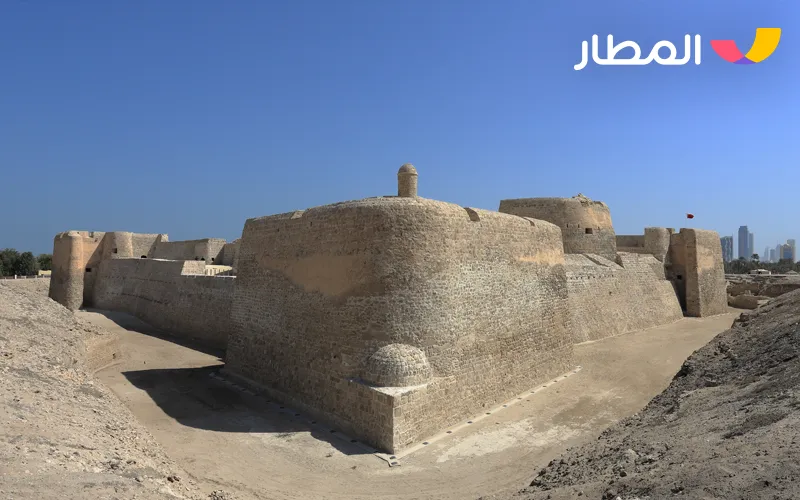
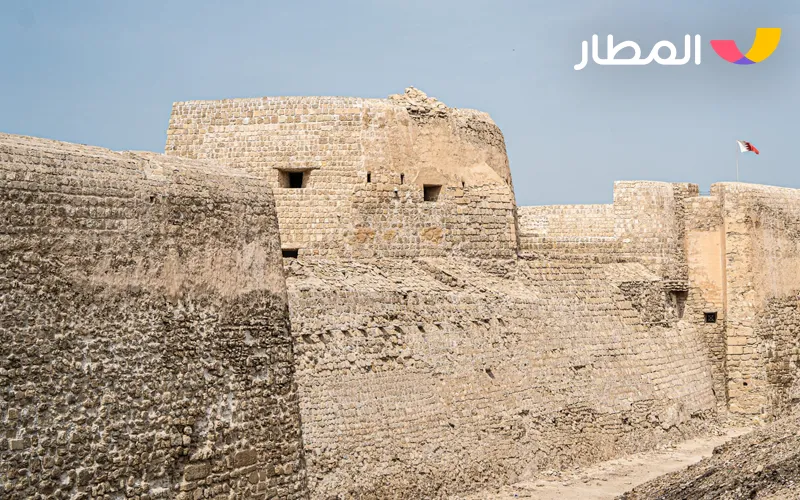
The sixteenth century formed a new era in the history of this small island, and the Portuguese, Ottomans, and Persians succeeded one another in ruling it.
But the decisive moment came in 1783, when Ahmad al-Fatih of the Al Khalifa led a military campaign from Zubarah in Qatar and defeated Nasr Al Madhkur, who represented Persian influence in the Gulf region, founding Arab rule through the Al Khalifa family that continues to this day.
That was the beginning of a new era in modern Bahrain history.
Under the British shadow: a century of protection
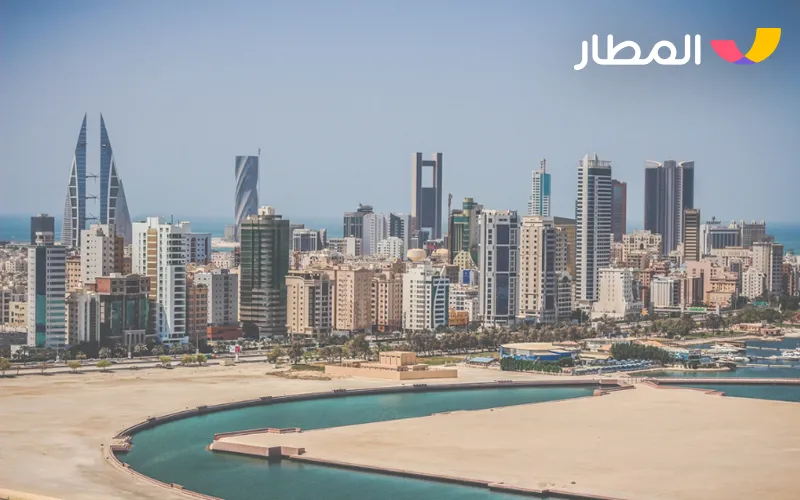
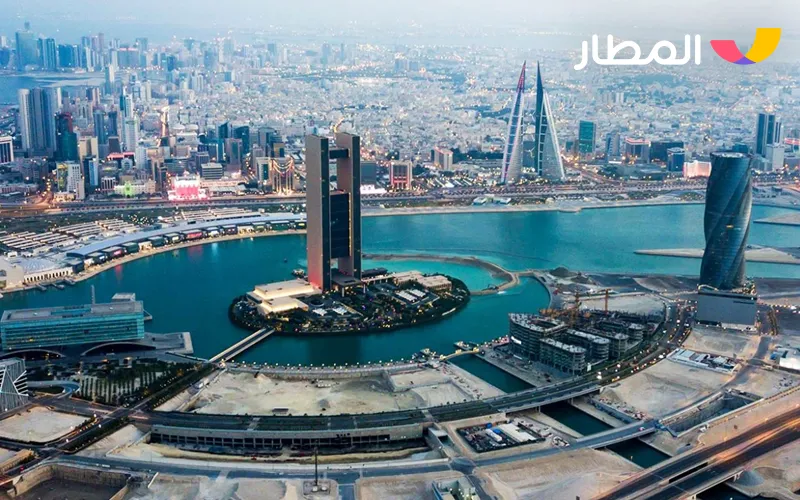
At the start of the nineteenth century, Britain became the dominant power in the Gulf.
It considered Bahrain a strategic link on its route to India, and it signed the first treaties with the Al Khalifa in 1820.
This cooperation was crowned by the British protection agreement in 1861, which granted Britain control over foreign affairs and security, while local rulers retained internal affairs.
Despite Bahrain size being limited, it witnessed radical transformations during this era.
The discovery of oil in 1928 brought a giant economic leap, making Bahrain the first Gulf state to extract black gold.
The features of the modern state began to take shape with reforms in education, administration, and the judiciary.
Independence and building the modern kingdom
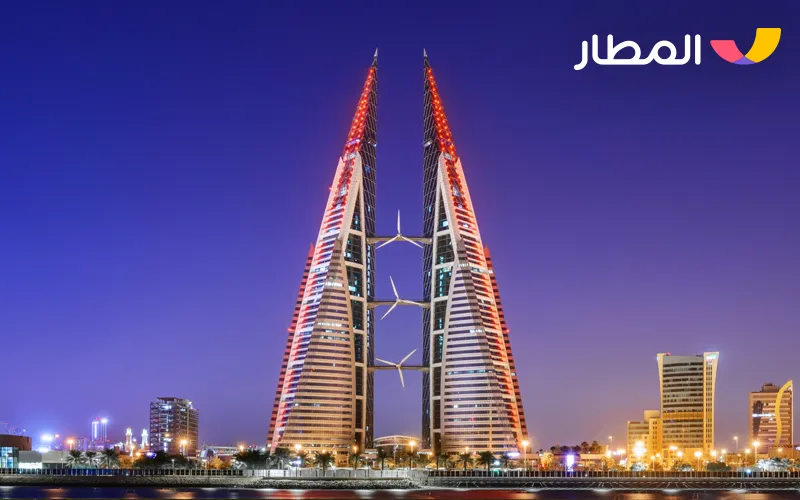
With Britain’s announcement of its withdrawal from the east of Suez, Bahrain faced a fateful choice: joining the Union of the Nine Emirates, with Qatar, Abu Dhabi, and Dubai, or independence.
After lengthy negotiations, Bahrain chose complete independence, declared by the late Sheikh Isa bin Salman Al Khalifa on 15 August 1971.
Bahrain immediately joined the United Nations and the Arab League and began the journey of building national institutions.
His Majesty King Hamad bin Isa Al Khalifa assumed power in 1999 and launched a comprehensive reform project.
In 2001, Bahrainis voted by 98.4% in favor of the National Action Charter, which restored parliamentary life and transformed Bahrain into a constitutional kingdom on 14 February 2002.
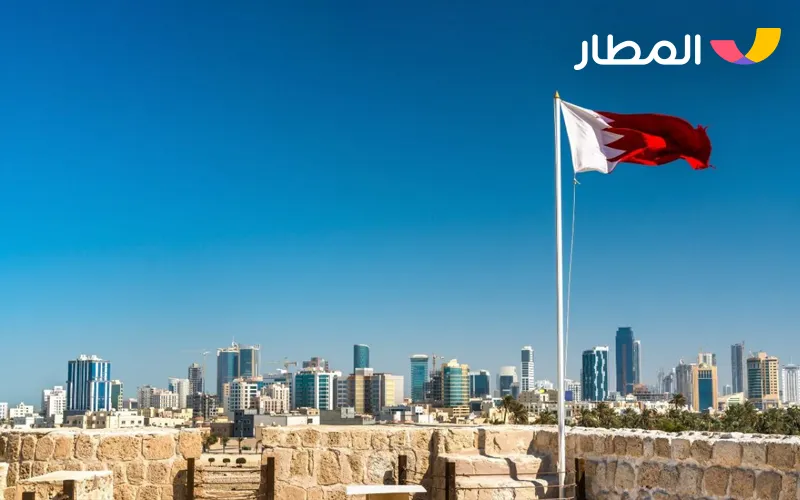
This period witnessed a change to the Bahrain flag to its current form, with five triangles symbolizing the pillars of Islam.
Modern Bahrain: the Gulf’s jewel today
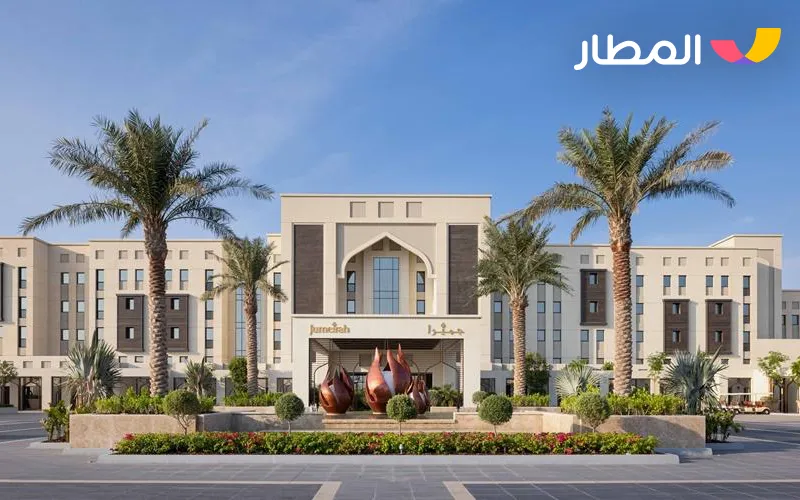
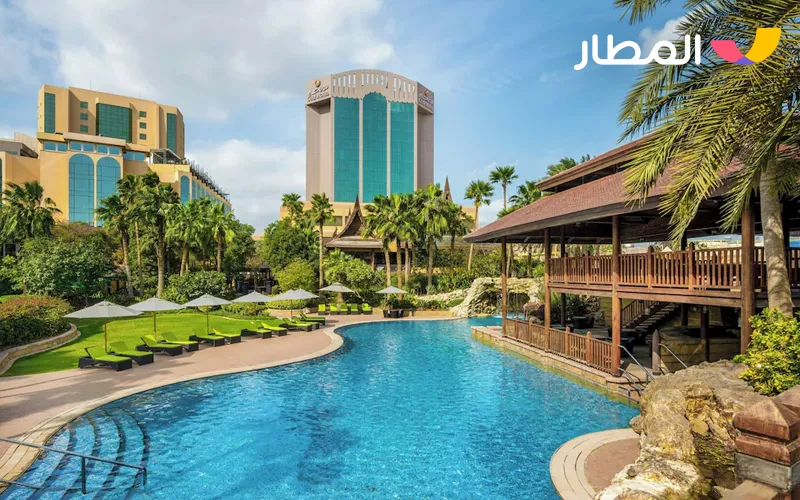
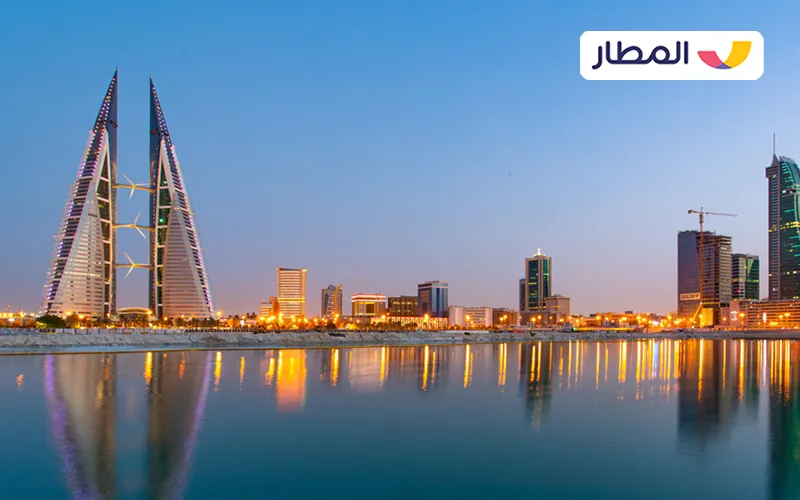
Today, the Kingdom of Bahrain is considered a model of development and openness in the region.
Bahrain’s size totals about 786 square kilometers, and it consists of 33 natural islands and several artificial islands.
Despite its small area, it includes more than 1.5 million people.
Bahrain culture is distinguished by its unique diversity, where authentic Arab traditions blend with the spirit of the age.
From the Spring of Culture Festival to the Bahrain National Museum, the kingdom celebrates its deep heritage and opens its doors to the world.
The King Fahd Causeway has connected Bahrain to Saudi Arabia since 1986, strengthening Gulf relations.
A new bridge is also planned to connect it to Qatar, to prove that Bahrain size being small does not limit its grand ambitions.
Travel with confidence with the Free Delay feature
If you are planning to visit any region around the world, almatar offers you the Free Delay feature.
This service guarantees free rebooking or a 100% refund of the base fare and taxes if your flight is delayed. Travel with complete peace of mind.
FAQs about Bahrain and its tourism
What is the difference between the Bahrain flag and the Qatar flag?
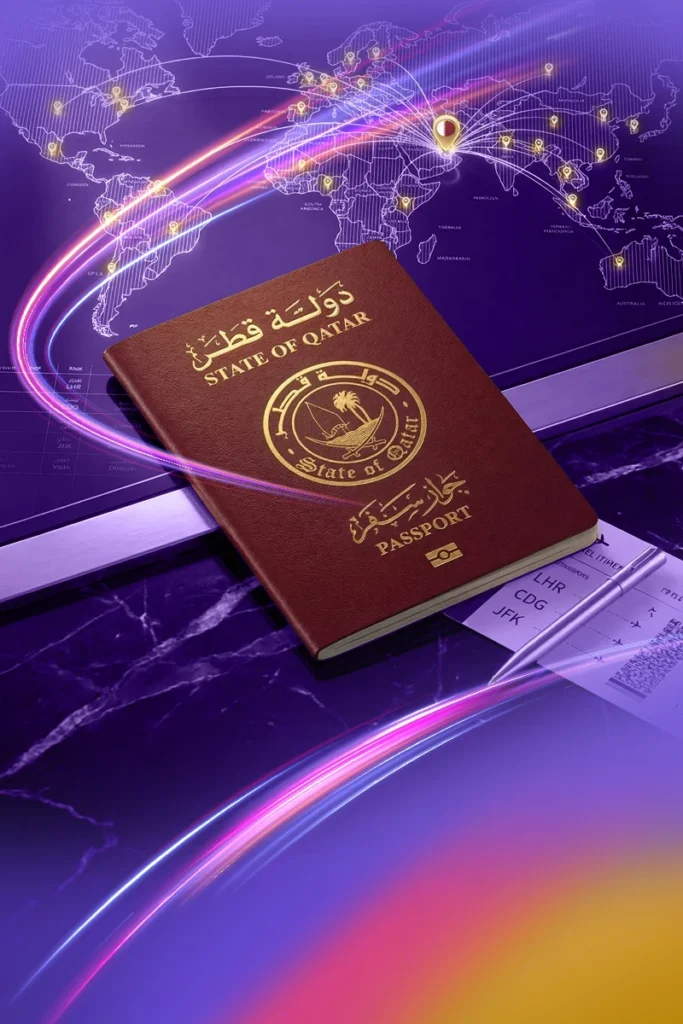
Both use a serrated design, but the Bahrain flag is red and has five triangles, the pillars of Islam. In contrast, the Qatar flag is maroon and purple, with nine triangles, indicating that the State of Qatar is the ninth member of the “Trucial States” in the Arabian Gulf region, following the Qatari-British agreement in 1916, after the seven emirates and Bahrain.
How old is the history of Bahrain as a civilization?
Bahrain’s history extends for more than 5,000 years, since the Dilmun civilization in the third millennium BCE.
How many days are enough to visit Bahrain?
For a quick trip, 3 days are enough, one day for heritage in Muharraq, one day for modernity and shopping in Manama, and one day for relaxation or visiting the Formula 1 circuit. For deeper exploration, 5 days is ideal.
When did Bahrain gain independence from Britain?
Bahrain gained its independence on 15 August 1971 after 110 years of British protection.
Is English used fluently in Bahrain?
Yes, English is the second language of business and tourism, and it is used very widely everywhere, making communication extremely easy for foreign visitors.
Related Topics from almatar Blog:
You might also like
-

Explore Countries
Singapore Changi Airport Guide
-
Explore Cities
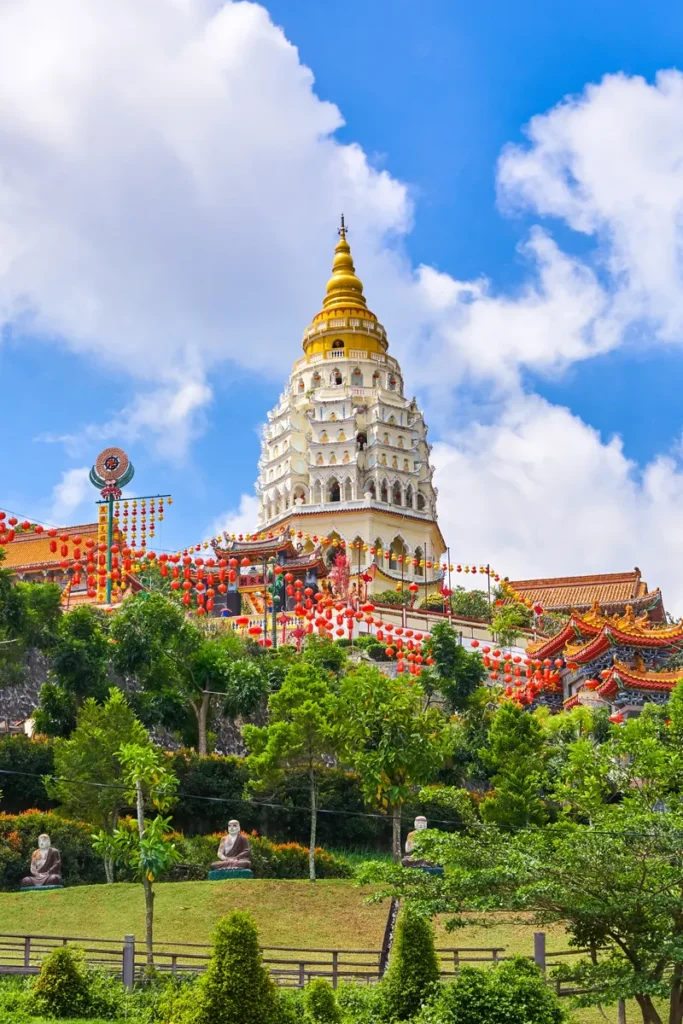
Penang Travel Guide
-
Explore Cities
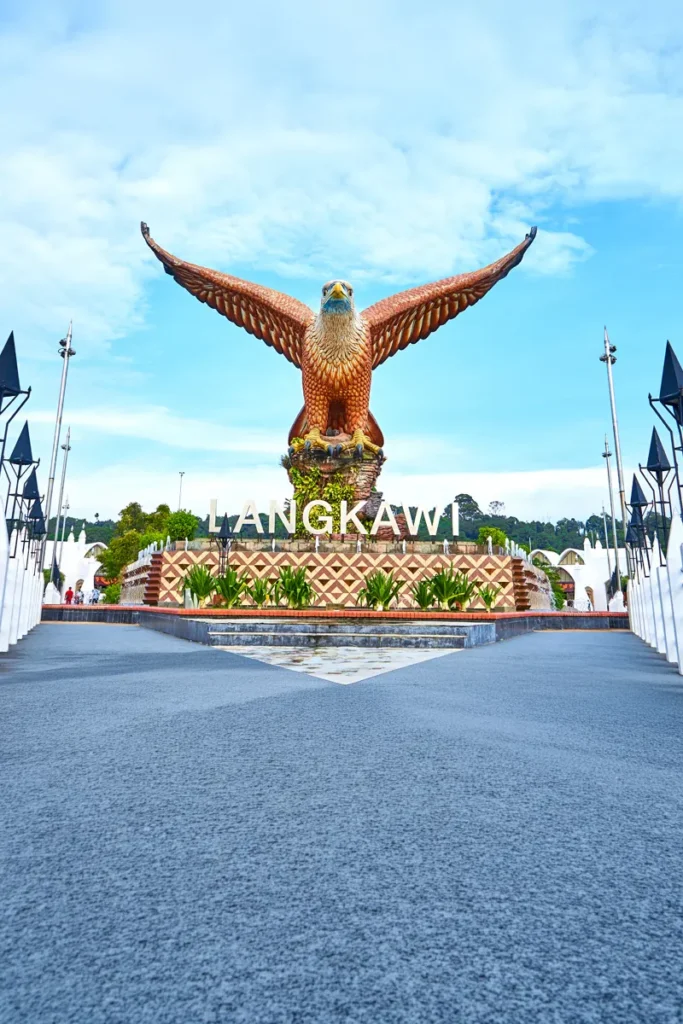
Langkawi Island Travel Guide
-
Explore Countries
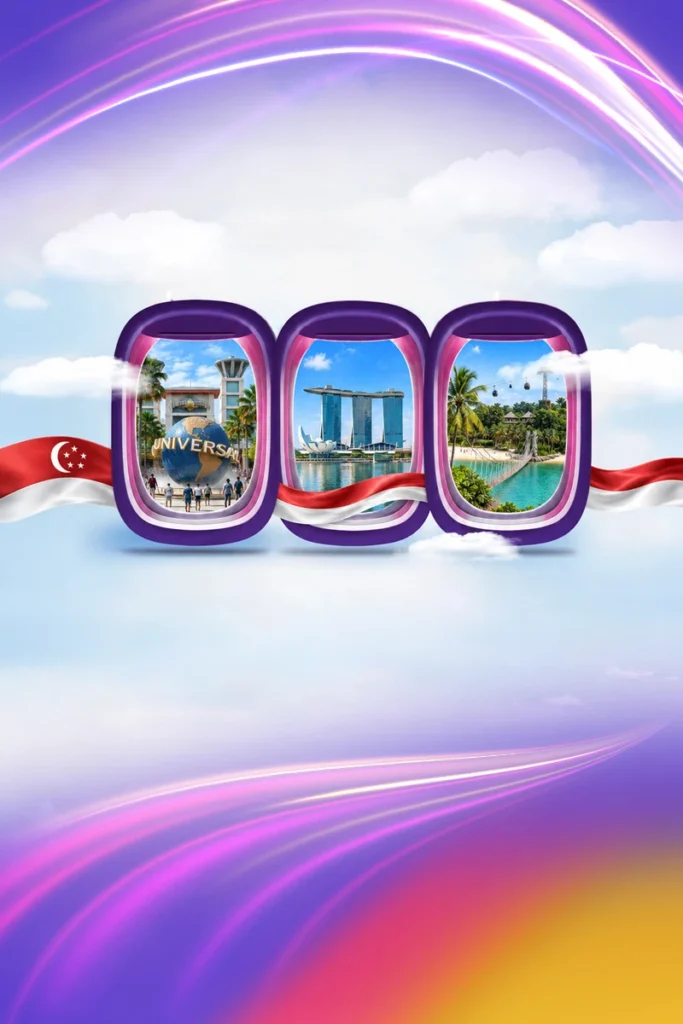
Best Places to Visit in Singapore: Universal Studios, Marina Bay & More
-
Explore Cities
Tourism In Singapore 2026: Attractions, Visa & Hotels
-
Explore Cities
Kuala Lumpur Tourist Attractions & Travel Guide
-

Explore Cities
Malaysia Tourist Places: Top Spots & Trip Planning Tips
-
Explore Cities
Tourism In Malaysia 2026: Everything You Need to Know
-
Explore Cities
Discover Southeast Asia: The Most Beautiful Places to Visit